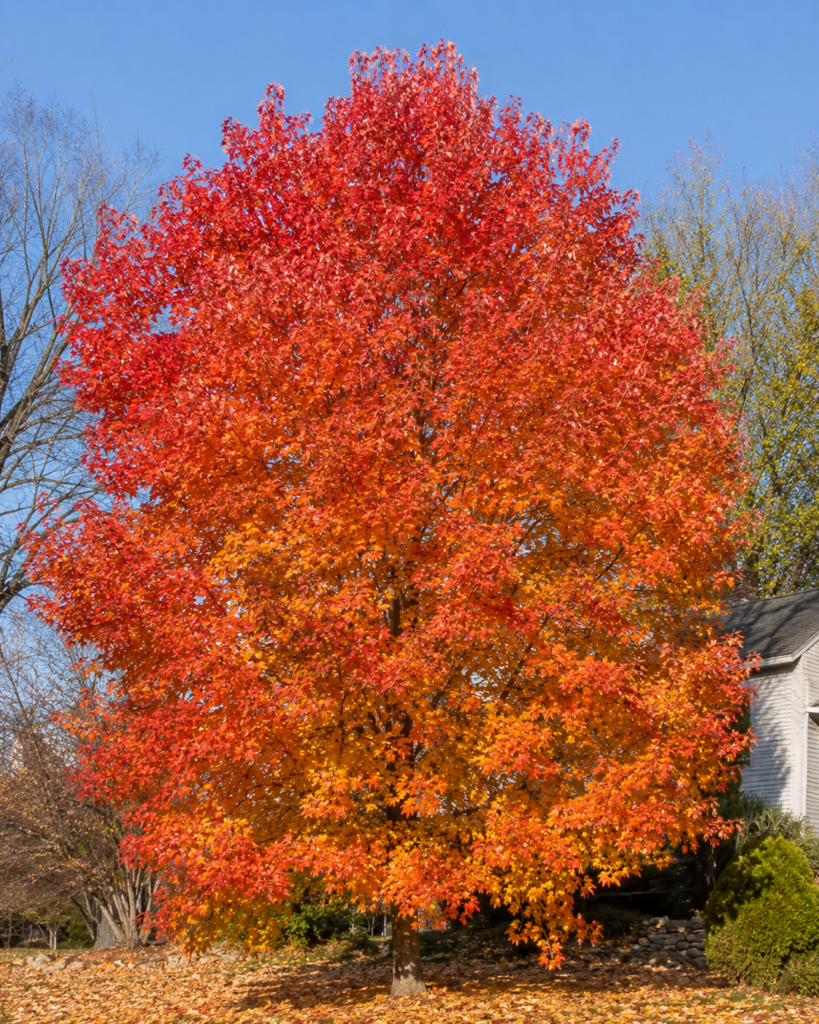

Transform Your Landscape: Following This Guideline Avoids Costly Planting Mistakes

Trees are more than just a part of the landscape in New England. They’re an integral part of a region’s identity. They can also be long-term investments that boost a landscape’s beauty, deliver environmental benefits, and increase property value, while planting a tree in the wrong place can create a costly nightmare. That’s where the 30–30 rule comes in. It’s a simple but powerful guideline within the “Right Tree, Right Place” philosophy.

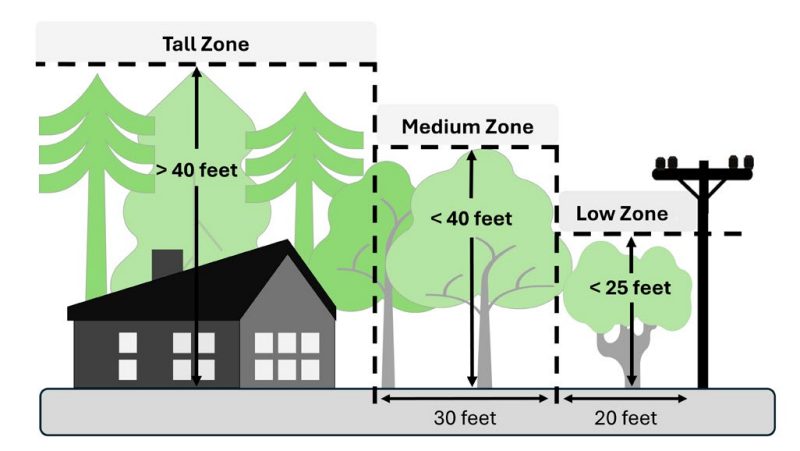
The 30–30 rule is simple and practical. It’s designed to help homeowners avoid future conflicts between trees and overhead utility lines. It has two key components:

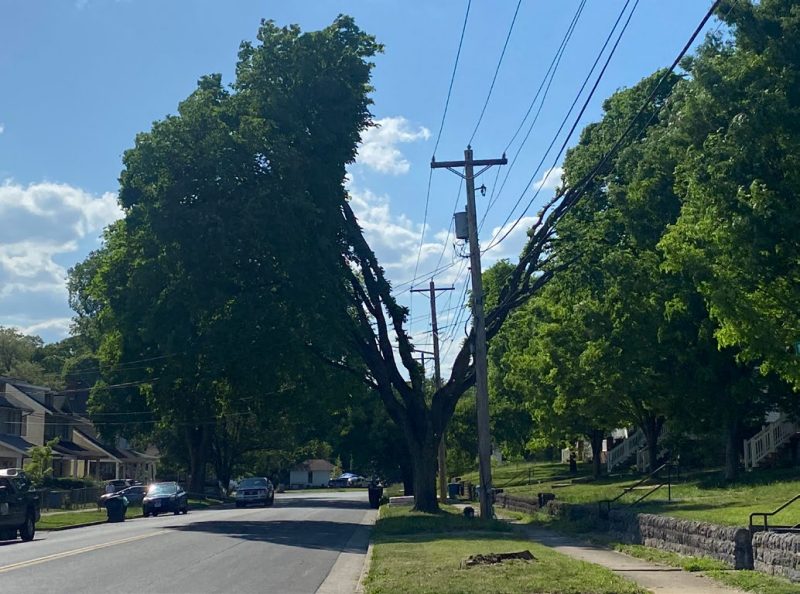
  • Planting trees that will grow less than 30 feet within 30 feet of overhead power lines.

This rule simplifies decision-making by focusing on mature tree size rather than a tree’s aesthetics. Many tree-related issues arise because homeowners select small, young trees without realizing how large they will eventually become.
Why the 30-30 Guideline Matters

Planting a tree near a power line may not seem like a big deal at first. But over time, as that tree grows, it can interfere with the property’s infrastructure, including its power lines. This mistake often leads to a range of problems, such as:

  1. Costly maintenance
  2. Power outages
  3. Safety risks
  4. Reduced tree Health
  5. Shorter tree lifespan

The 30–30 rule helps prevent these issues before they start.

Applying the 30-30 Guideline

Applying this guideline is straightforward. But it requires homeowners to plan carefully to do it correctly. Below is a four-step process homeowners can use to implement the 30-30 guideline:

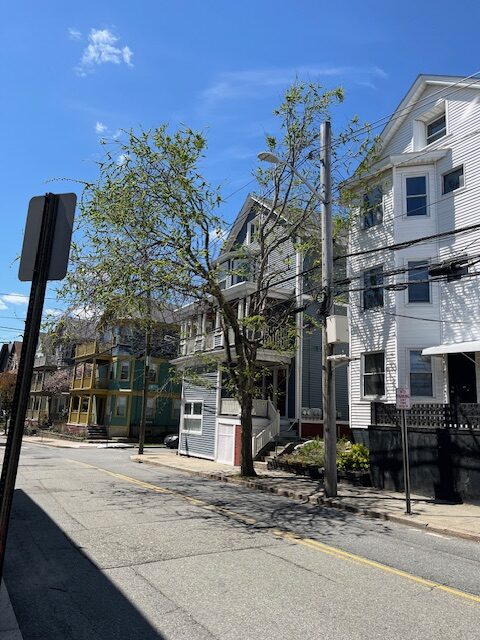
Step 1: Identify Overhead Utility Lines: Take a walk on your property. Note where power lines run. Remember that some lines may be less obvious than others, especially in wooded areas or homeowner properties.

Step 2: Determine the right distance: Measure a 30-foot radius from the power lines. Any tree you plant within this zone should meet the “under 30 feet tall at maturity” requirement.

Step 3: Choose the Right Tree: Select species that naturally grow to less than 30 feet. Many ornamental and native trees fit this category, offering beauty without the risk of interference.

Step 4: Think Long-Term: Plant based on mature size. Always check the tree’s mature height and spread. A small sapling can quickly grow into a major problem if it exceeds the safe height limit.
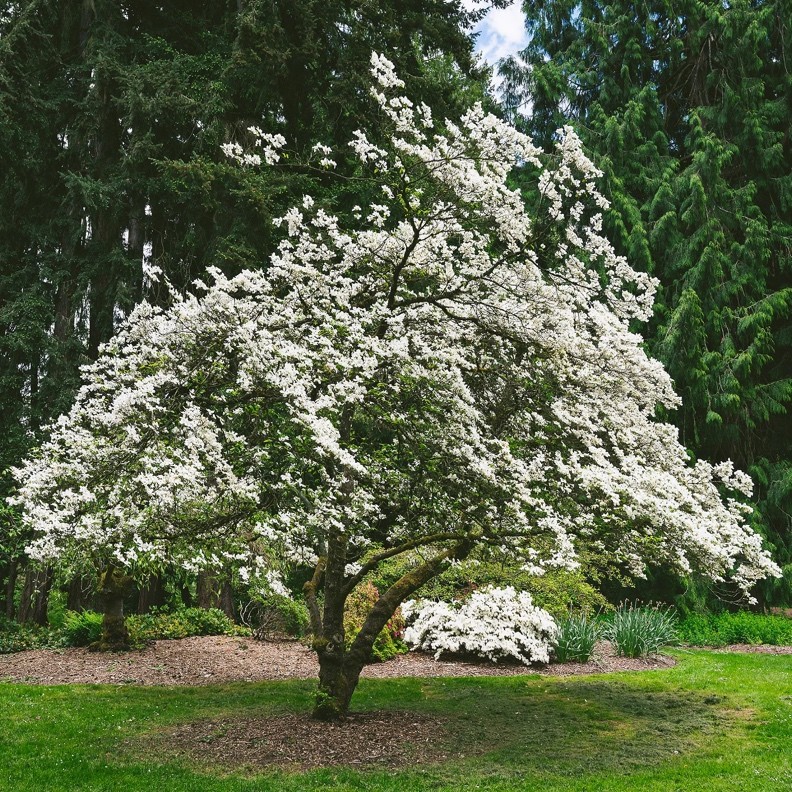
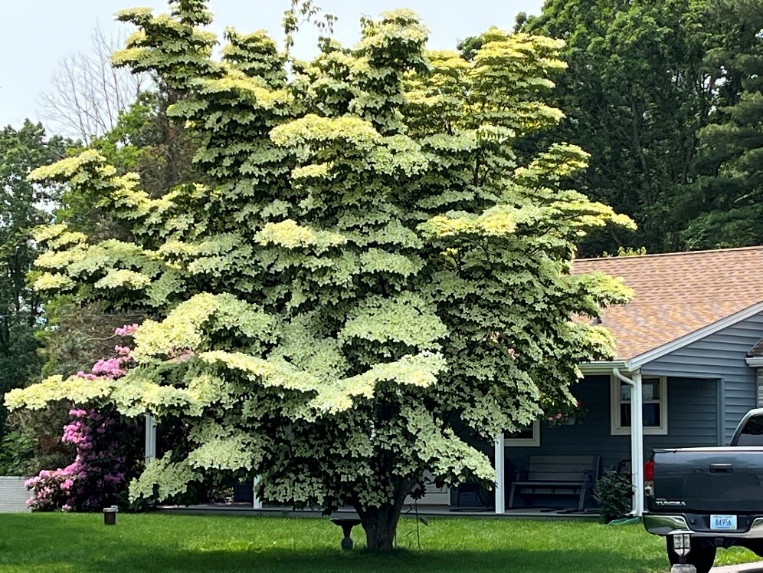
Flowering White Dogwood

Trees Fitting the 30-30 Guideline

In New England, many excellent tree options align with the 30–30 rule. Some popular choices include:

  • Flowering dogwood
  • Eastern redbud
  • Serviceberry
  • American hornbeam
  • Witch hazel
  • Japanese tree lilac
  • Crabapple varieties

These trees typically stay within the 15–30 guidelines. Planting a tree using the 30–30 rule isn’t just about where you dig—it’s about making smart decisions before, during, and after planting so your tree thrives without creating future conflicts.

Beyond Power Lines

While the 30–30 guideline primarily covers utility line problems, it reflects a broader mindset that prioritizes planting trees with the future in mind. “Right Tree, Right Place” considers all relevant aspects of a tree’s growth, including:

  • Proximity to buildings and foundations
  • Root systems and underground utilities
  • Sunlight and soil conditions
  • Space for canopy spread

When these factors are accounted for, trees will thrive with minimal maintenance on your part. 

Common Mistakes to Avoid

Even with a simple rule like 30–30, you can still make missteps. Here are a few common pitfalls to avoid:
• Ignoring mature size—Among the biggest mistakes is choosing trees based on how they look at the nursery. Always read labels or consult experts about mature dimensions.
• Planting too close—It can be tempting to plant a favorite tree in a convenient spot, even if it’s too close to power lines. Unfortunately, this often leads to problems down the road.
• Overlooking utility rights-of-way—In some areas, utility companies have the right to prune or remove trees that interfere with power lines. Planting in the wrong place can result in unexpected and sometimes aggressive trimming.

The Long-Term Payoff

Following the 30–30 rule may seem like a small step, but it has significant long-term benefits. Properly placed trees require less maintenance, experience fewer health issues, and provide uninterrupted benefits for decades.

They also reduce the risk of outages and improve community safety. For homeowners, this means fewer headaches and lower costs. For communities, it means more reliable power and healthier urban forests..

They also reduce the risk of outages and improve community safety. For homeowners, this means fewer headaches and lower costs. For communities, it means more reliable power and healthier urban forests.

Right Tree Right Place: The Smart Strategy for Safer and Healthier Landscapes

Trees are smart investments for homeowners. They provide numerous ecological, environmental and economic benefits. However, many homeowners plant trees without considering their future growth. The result? Increased maintenance, damaged infrastructure, and wasted investment. What’s most disappointing is the fact that these problems are avoidable. All it takes is a bit of planning. Fortunately, there is a very simple, effective strategy for planting for success. It’s called Right Tree Right Place (RTRP).

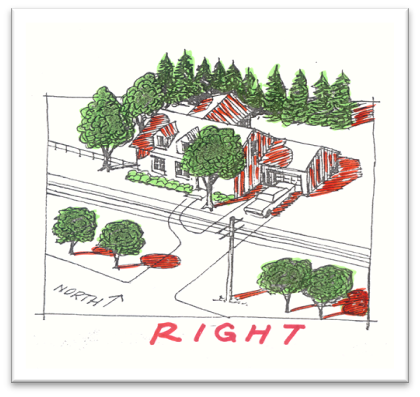
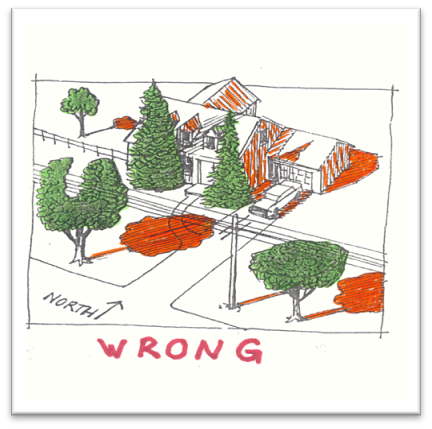
The Right Tree Right Place concept was introduced to the world of arboriculture in the late mid-70’s by the National Arbor Day Foundation in Tree City USA Bulletin #4 entitled “The Right Tree for the Right Place” (www.arborday.org). This bulletin is a simple primer on what to consider before planting. Two of the best illustrations are found on the bulletin’s front cover. They appear side by side and show how tree choice and tree location are inextricably linked. Breaking their connection causes problems. The key is to learn and follow the RTRP approach. The result will be a lifetime of satisfaction for you and your trees.

Source: Arbor Day Foundation. Bulletin #4. www.arborday.org.

WHY TREE PLACEMENT MATTERS

The Right Tree Right Place is a two-step process. The first step evaluates the planting location (i.e., tree placement); the second the choice of tree species. In Step 1 the goal is to screen the site for its suitability. A checklist of factors to consider are:

  • Soil: Is it wet or dry, acidic or alkaline? Does it drain well or poorly? A soil test will answer these questions. Also, how much soil area (100sf, 500sf, 1,000sf) will be available for plant root growth?
  • Exposure: Is the planting site mostly sunny, partially shaded, or mostly shaded? Many trees have specific daylight requirements to thrive.
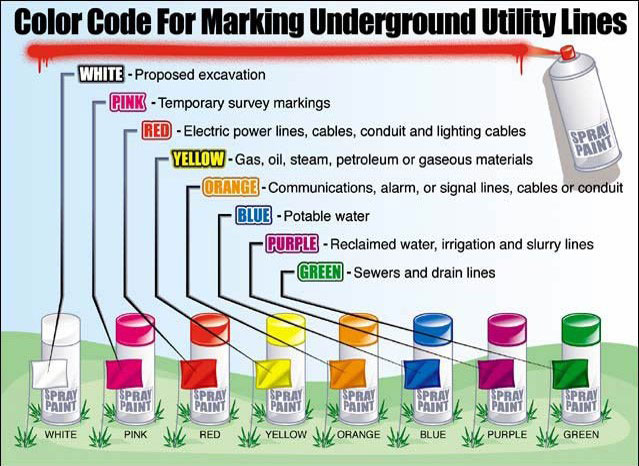
  • Underground Utilities: Are there any sewer, water, natural gas, fiber optic or other utility lines within the planting area? Contact DIG SAFE for these answers.
  • Overhead Utilities: Are there electricity, telephone or cable power lines to contend with? What is their height above the ground?
  • Built Structures: What is the distance from the planting area to the home, garage, shed, children’s play area, etc.? Consider driveways and walkways as well.

This exercise is invaluable for what it reveals about the planting location. All are not equal. Few are found perfect. But most have one or more issues to overcome. They are red flags that often lead to poor tree placement. The most common of these are:

  • Power line conflicts: Trees planted under or near power lines require extensive trimming, often leading to misshapen growth and increased maintenance costs.
  • Property damage: Tree branches and root systems can damage foundations, driveways, and underground pipe systems.
  • Blocked sunlight: Planting trees too close to a dwelling can reduce natural light and encourage moisture problems.
  • Reduced benefits: Improper tree placement may require intensive measures to correct which often lead to failing tree health, life expectancy and benefits.

Avoiding these issues and others are critical. There are several options. One may be as simple as picking a better location. Another has to do with the choice of trees. That’s the focus of Step 2.

MATCHING TREES TO SITE CONDITIONS

While there are literally thousands of tree species to choose from, only a handful may be a good match for the planting location. In step 2, the goal is to winnow down these choices. This is not as difficult as it seems. But it does require general knowledge of trees, namely, their major characteristics. For example, all trees have common features such as roots, stems and leaves. However, not all are sun-loving, fast growing or adapted to a wide range of soil conditions. The key is to find the tree species whose characteristics or traits best align with the planting location, keeping in mind the latter’s limitations and/or restrictions. Just as with step 1 there is a checklist of traits to consider:

  • What is the mature size (width and height) of the tree?
  • What is the general shape of the tree; upright, wide-spreading, or rounded?
  • Does the tree prefer sun, partial shade, or full shade for its best growth?
  • Will the tree tolerate the existing soil moisture conditions?

There are many fine reference books to assist with species’ research. The RI Tree Council recommends the following:

  • Manual of Woody Landscape Plants. Michael A. Dirr.
  • Dirr’s Encyclopedia of Trees and Shrubs. Michael A. Dirr. 2011. Timber Press. Portland, OR.
  • Trees of the Northern United States and Canada. 1995. John Laird Farrar. International Society of Arboriculture. Champaign, IL.

Once this exercise is completed, the link between the tree location and tree choice should become obvious. Both steps in this process worked to prevent mistakes. For example, the prospective planting location may be dry, have all-day sun, and within 25’ of the home or overhead power line. Red oak and linden perform well in sunny exposures and are adaptable to a wide range of soil moisture conditions. But they are large growing trees—both will easily reach 80’ tall and wide at maturity. They need plenty of room—much more than 25’—to avoid future conflicts with power lines, the home, or other structures. Under these circumstances, Red oak and linden are bad choices. They are wisely ruled out for further consideration. The good news is there is a tree for every niche. In the end, there are 11 species—cherry, magnolia, maples, silverbell, etc.—to choose from. All thrive in full sun, and all are tolerant of low soil moisture. Anyone would be a good match for the planting location.

PLAN BEFORE YOU PLANT

Right Tree Right Place is not only a sensible step but also a cost-conscious choice. This approach matches a tree’s characteristics—mature size, shape and growth habits—to a site’s conditions. It also emphasizes a tree’s long-term compatibility with the planting location. The trees included in this strategy require less pruning, have fewer health problems, and avoid conflicts with structures such as homes, sidewalks, and electric utility power lines.

Tree planting isn’t just about the present. It’s also about the future. Savvy decision-makers think in terms of 10, 20 or even 50 years from now.

Finally, planting a tree should be a rewarding experience, not a source of ongoing problems. By embracing the Right Tree Right Place philosophy, you can make smarter decisions that benefit both your property and the environment. A little planning today can save years of effort tomorrow. Choose wisely, plant carefully and give your trees the space they need to thrive. Hit a home run for trees!

This introduction on the Right Tree Right Place strategy was the first of many articles soon to appear at www.ritree.org.

How to Plant a Tree

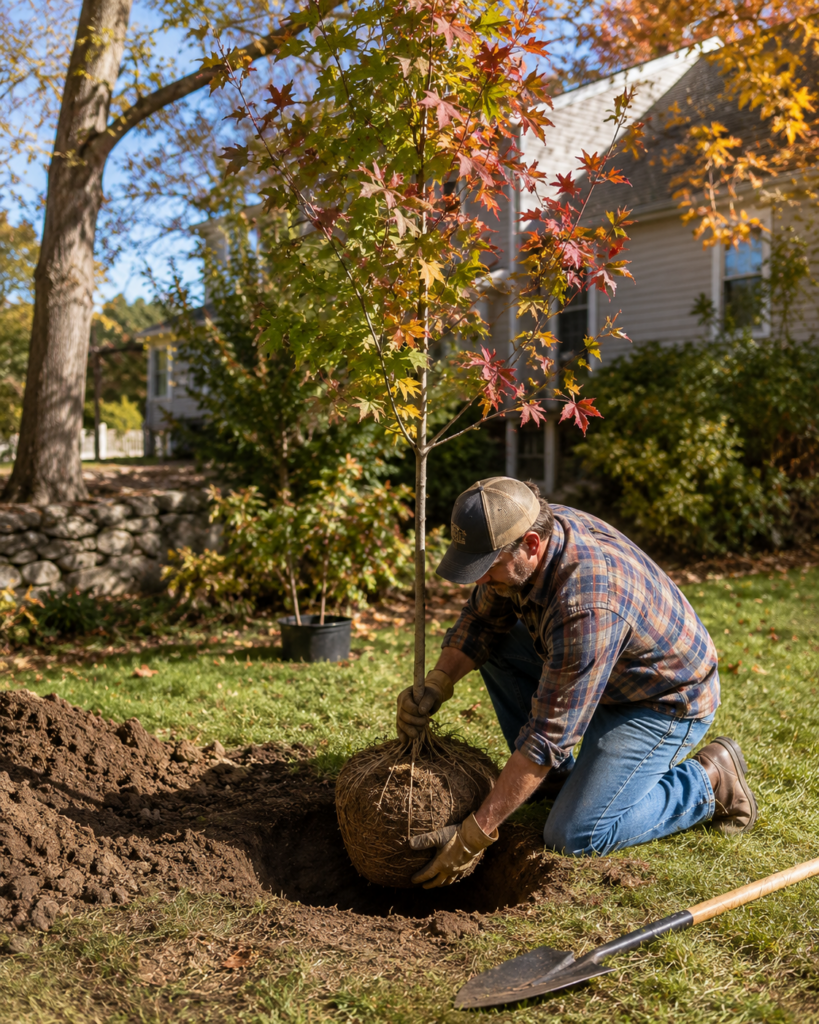
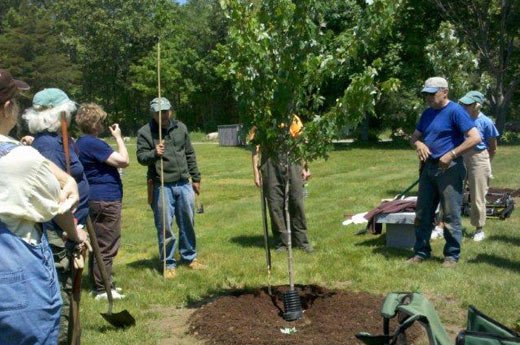
Planting a tree is simple when you follow a few key steps — and getting them right makes the difference between a tree that struggles and one that thrives. In southern New England, the best times to plant are early spring, before trees leaf out, or fall, from late September through mid-November, when cooler temperatures allow roots to establish before winter.

Dig the right hole. Make the hole two to three times wider than the root ball but no deeper than the root ball is tall. Planting too deep is one of the most common mistakes and one of the hardest to recover from. The root flare — the spot where the trunk widens at the base — should sit at or slightly above grade.

Skip the amendments. Research consistently shows that backfilling with native soil, rather than enriched mixes, encourages roots to spread outward into the surrounding ground. Save the compost for the surface.

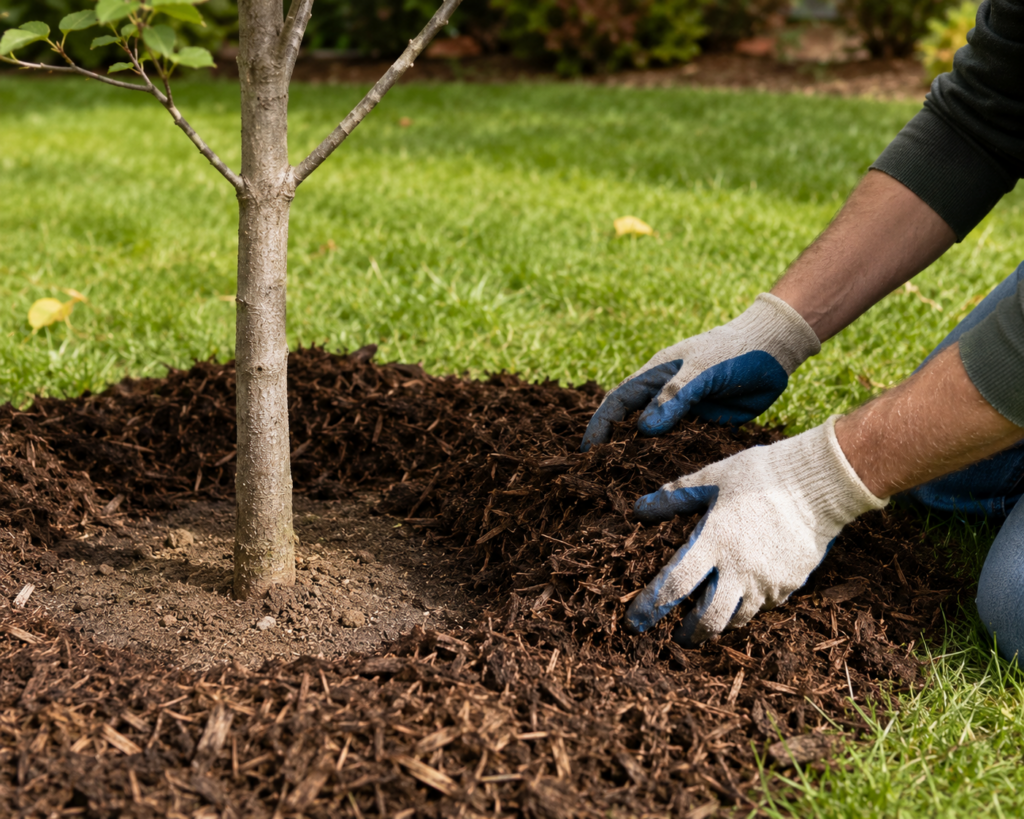
Water thoroughly and mulch well. Give the tree a deep soak right after planting, and plan to water weekly during dry spells throughout the first growing season. Apply two to four inches of wood chip mulch in a wide ring around the tree, keeping it away from the trunk. Mulch conserves moisture, moderates soil temperature, and suppresses competing grass.

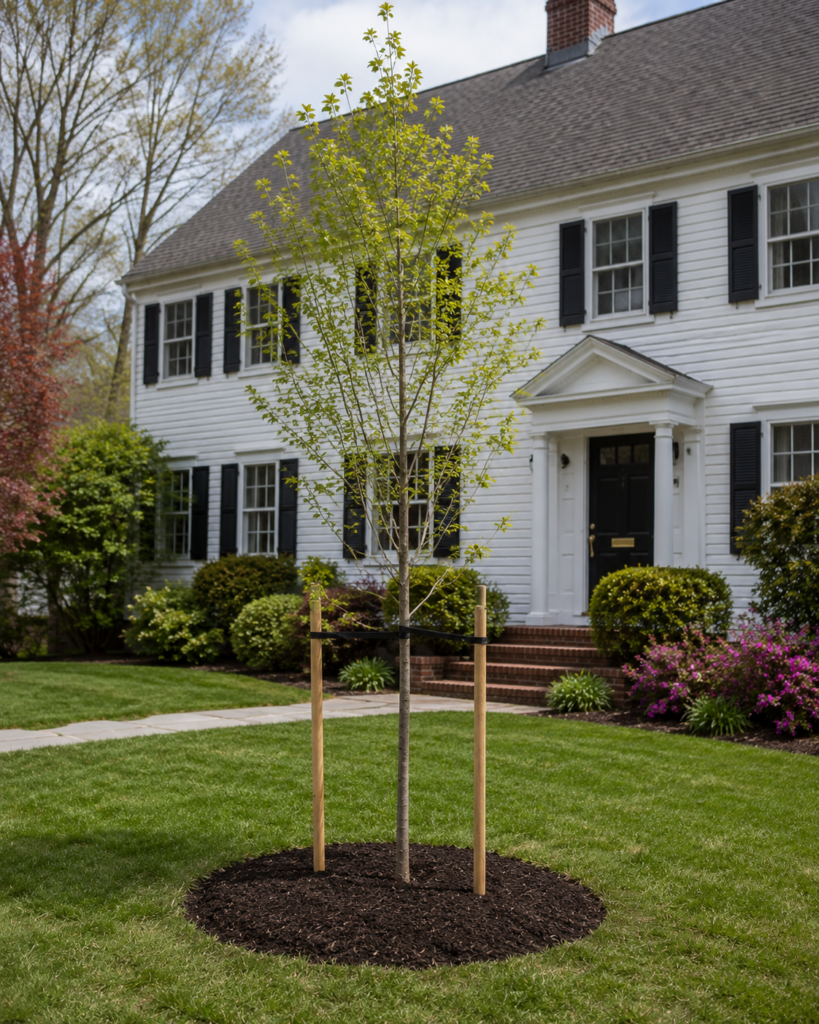
Stake only if necessary. Most trees don’t need staking. If the tree can’t stand on its own, use two flexible stakes and soft ties, and remove them after one year.

A little patience goes a long way. The first year a tree sleeps, the second it creeps, the third it leaps — and the investment pays off for decades to come.

Plant Native Trees

When you choose a native tree for your Rhode Island landscape, you’re doing more than adding shade or curb appeal — you’re restoring a piece of the ecosystem that has been here for thousands of years. Native trees co-evolved with local insects, birds, and soil microbes, making them far more valuable to wildlife than ornamentals imported from other continents.

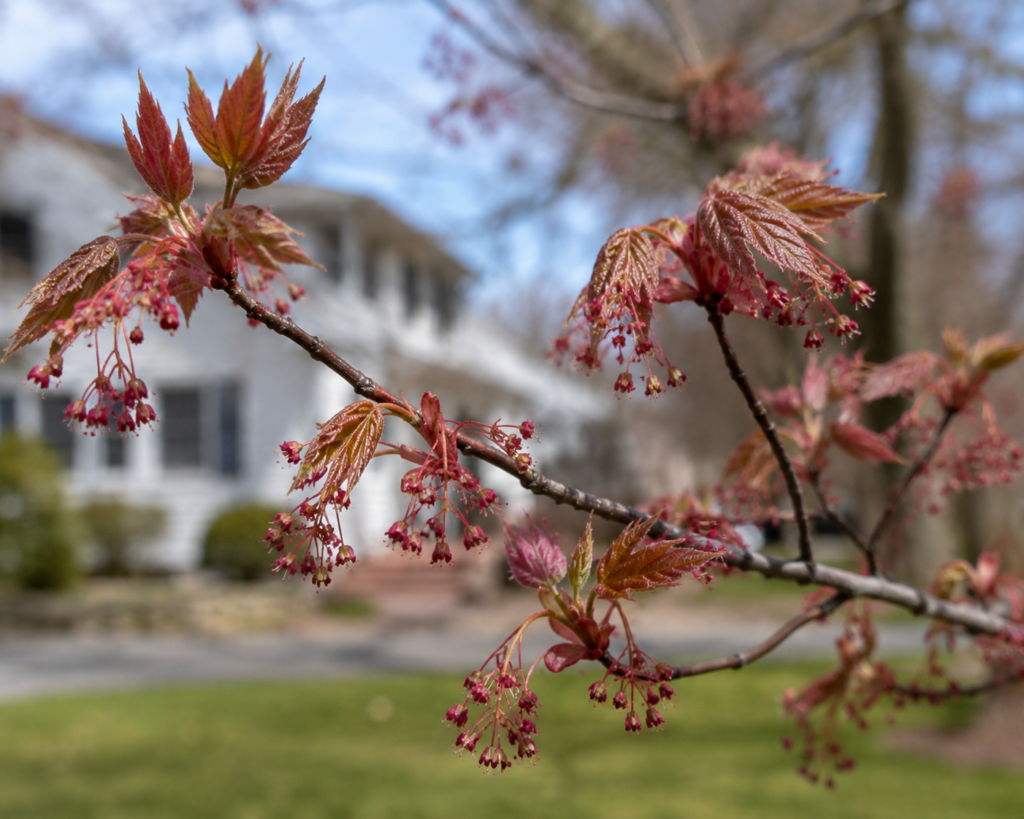
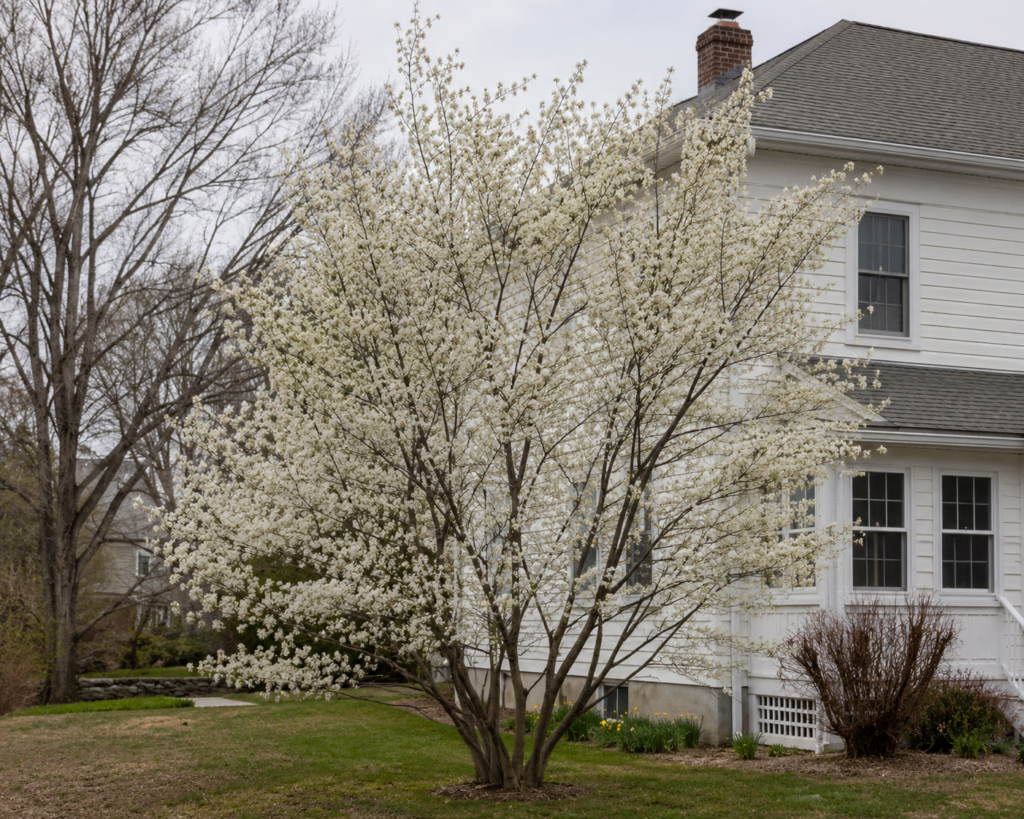
Southern New England is home to an impressive palette of native trees suited to almost any site. Red maple thrives in wet or dry conditions and puts on a brilliant fall show. Swamp white oak tolerates seasonal flooding and becomes a majestic long-lived canopy tree. Black gum, also known as tupelo, offers some of the finest scarlet fall color of any tree in the region and is a favorite of native bees in late summer. Serviceberry blooms early in spring before most other trees leaf out, providing critical nectar for early pollinators and berries for migrating birds.

Native trees also tend to require less care once established. They’re adapted to Rhode Island’s soils, its wet springs and summer droughts, and its cold winters. That means less watering, less fertilizing, and fewer pest problems over the long run.

If you’re not sure which native tree suits your site, the Rhode Island Tree Council can help. Matching the right species to your soil, light, and space is the first step toward a tree that will thrive for generations.