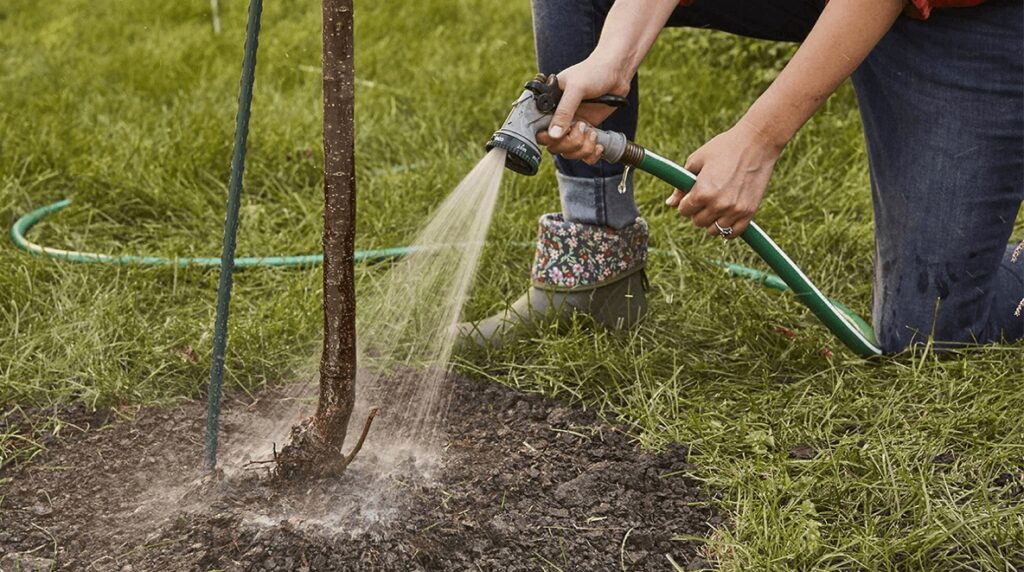

Plant Healthcare
Transform Your Landscape: Following This Guideline Avoids Costly Planting Mistakes
Trees are more than just a part of the landscape in New England. They’re an integral part of a region’s identity. They can also be long-term investments that boost a landscape’s beauty, deliver environmental benefits, and increase property value, while planting a tree in the wrong place can create a costly nightmare. That’s where the 30–30 rule comes in. It’s a simple but powerful guideline within the “Right Tree, Right Place” philosophy.
The 30–30 rule is simple and practical. It’s designed to help homeowners avoid future conflicts between trees and overhead utility lines. It has two key components:
- Planting trees that will grow less than 30 feet within 30 feet of overhead power lines.
This rule simplifies decision-making by focusing on mature tree size rather than a tree’s aesthetics. Many tree-related issues arise because homeowners select small, young trees without realizing how large they will eventually become.
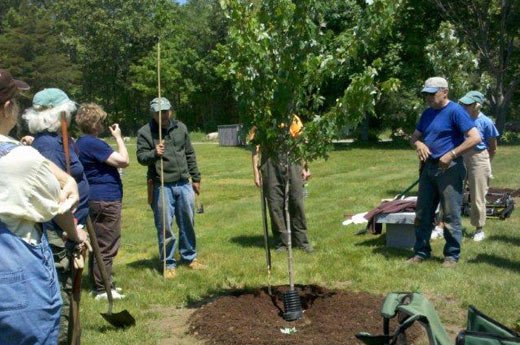
Why the 30-30 Guideline Matters
Planting a tree near a power line may not seem like a big deal at first. But over time, as that tree grows, it can interfere with the property’s infrastructure, including its power lines. This mistake often leads to a range of problems, such as:
- Costly maintenance
- Power outages
- Safety risks
- Reduced tree Health
- Shorter tree lifespan
The 30–30 rule helps prevent these issues before they start.
Applying the 30-30 Guideline
Applying this guideline is straightforward. But it requires homeowners to plan carefully to do it correctly. Below is a four-step process homeowners can use to implement the 30-30 guideline:
Step 1: Identify Overhead Utility Lines: Take a walk on your property. Note where power lines run. Remember that some lines may be less obvious than others, especially in wooded areas or homeowner properties.
Step 2: Determine the right distance: Measure a 30-foot radius from the power lines. Any tree you plant within this zone should meet the “under 30 feet tall at maturity” requirement.
Step 3: Choose the Right Tree: Select species that naturally grow to less than 30 feet. Many ornamental and native trees fit this category, offering beauty without the risk of interference.
Step 4: Think Long-Term: Plant based on mature size. Always check the tree’s mature height and spread. A small sapling can quickly grow into a major problem if it exceeds the safe height limit.
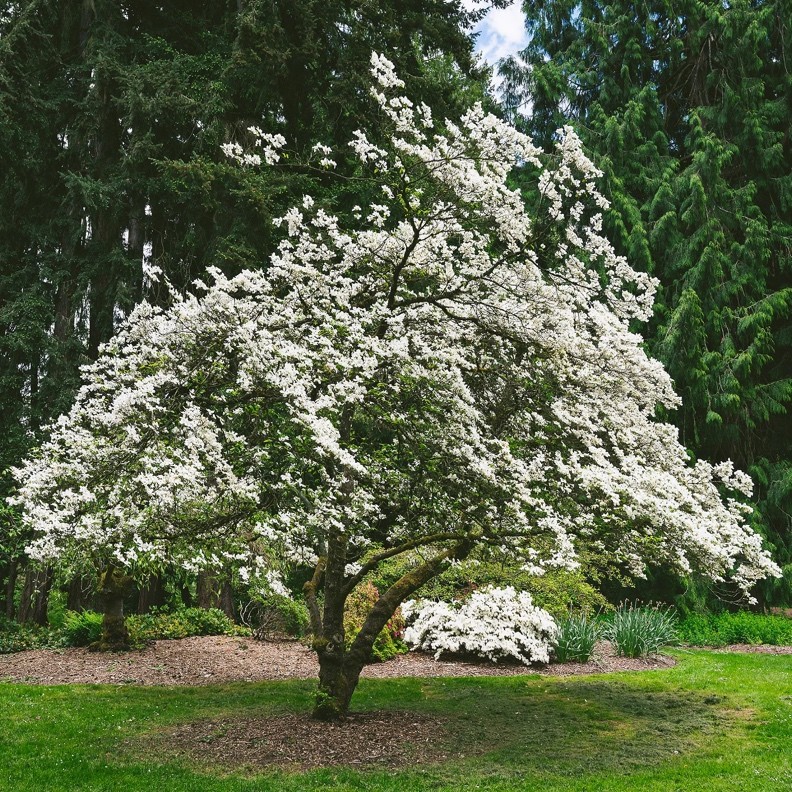
Flowering White Dogwood
Trees Fitting the 30-30 Guideline
In New England, many excellent tree options align with the 30–30 rule. Some popular choices include:
- Flowering dogwood
- Eastern redbud
- Serviceberry
- American hornbeam
- Witch hazel
- Japanese tree lilac
- Crabapple varieties
These trees typically stay within the 15–30 guidelines. Planting a tree using the 30–30 rule isn’t just about where you dig—it’s about making smart decisions before, during, and after planting so your tree thrives without creating future conflicts.
Beyond Power Lines
While the 30–30 guideline primarily covers utility line problems, it reflects a broader mindset that prioritizes planting trees with the future in mind. “Right Tree, Right Place” considers all relevant aspects of a tree’s growth, including:
- Proximity to buildings and foundations
- Root systems and underground utilities
- Sunlight and soil conditions
- Space for canopy spread
When these factors are accounted for, trees will thrive with minimal maintenance on your part.
Common Mistakes to Avoid
Even with a simple rule like 30–30, you can still make missteps. Here are a few common pitfalls to avoid:
• Ignoring mature size—Among the biggest mistakes is choosing trees based on how they look at the nursery. Always read labels or consult experts about mature dimensions.
• Planting too close—It can be tempting to plant a favorite tree in a convenient spot, even if it’s too close to power lines. Unfortunately, this often leads to problems down the road.
• Overlooking utility rights-of-way—In some areas, utility companies have the right to prune or remove trees that interfere with power lines. Planting in the wrong place can result in unexpected and sometimes aggressive trimming.
The Long-Term Payoff
Following the 30–30 rule may seem like a small step, but it has significant long-term benefits. Properly placed trees require less maintenance, experience fewer health issues, and provide uninterrupted benefits for decades.
They also reduce the risk of outages and improve community safety. For homeowners, this means fewer headaches and lower costs. For communities, it means more reliable power and healthier urban forests..
They also reduce the risk of outages and improve community safety. For homeowners, this means fewer headaches and lower costs. For communities, it means more reliable power and healthier urban forests.
Transform Your Landscape: Discover Proactive Tree Solutions!
Are you taking a proactive approach to tree care? More and more homeowners and arborists are doing so and finding success. Proactive maintenance, for example, typically reduces overall tree management costs by 12% to 18%. Put simply, a proactive approach is consistently more successful across financial, safety, and property value metrics.
This shift isn’t just a preference—it’s a survival strategy driven by a challenging mix of critical factors. In the past, trees were often overlooked until a limb fell or leaves turned brown. Taking a proactive approach to tree care can cut costs, reduce liability, and improve safety for homeowners and arborists.
A key reason for this psychological shift is technology. It’s made the “invisible” visible. Previously, we couldn’t see what was happening inside a tree. By the time symptoms appeared, it was often too late. Tools like Arborsonic 3D Tomography and AI-powered multispectral imaging enable us to detect internal rot and nutrient stress before a tree appears sick.
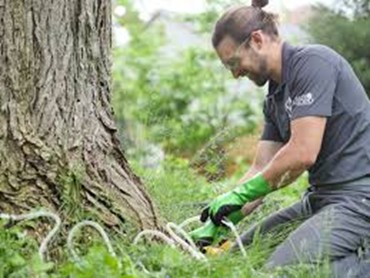
Benefits for Homeowners
While homeowners gain peace of mind and cost savings from proactive tree care, arborists are seeing a revolution in safety and operational precision. For the average property owner, high-
tech tree care takes the guesswork out of yard maintenance and protects their property values. A proactive approach:
· Creates an early warning system: AI diagnostic apps can detect “invisible” stress—like the early stages of Beech Leaf Disease or Dutch Elm Disease—weeks before a human eye would notice. This activity can mean the difference between a $200 treatment and a $5,000 removal.
· Reduces Liability & Safety: Using drones for post-storm inspections identifies “hangers” (detached branches) that pose a silent threat to roofs or family members.
· Boosts predictive landscaping: “Digital Twin” modeling lets homeowners see how a tree will grow over 20 years, helping prevent future issues with foundations, solar panels, or power lines.
· Generates transparency: Homeowners no longer have to “take the arborist’s word for it.” High-tech providers provide 3D LiDAR scans and thermal imagery as proof of decay or health.
Benefits for Arborists
For professionals, 2026 is the year when “dangerous climbs” are becoming a choice rather than a necessity: The benefits include:
· Enhances radical safety: Robotic “grapple saws” and remote-controlled cranes allow arborists to dismantle hazardous trees (like those killed by the Emerald Ash Borer) from the ground, keeping crews out of the “drop zone.”
· Boosts precision treatment: Drones equipped with multispectral cameras can spot nutrient deficiencies in a specific branch. Spray-drones can then apply targeted treatments to that area only, reducing chemical waste by up to 60%.
· Streamline Operations: AI routing software now syncs with weather sensors. If a deep freeze is predicted for a specific neighborhood, the system automatically reschedules to prioritize “anti-desiccant” applications for vulnerable evergreens in that zone.
· Generates data-driven sales: Providing a client with an AI-generated “Health Scorecard” makes it much easier to justify necessary pruning, leading to higher closing rates on estimates.
Mutual Benefits: The “Green” Impact
Beyond individual gains, the integration of technology in tree care in 2026 is helping the environment on a larger scale:
· Boosts carbon sequestration: Healthy, AI-monitored trees live longer, capturing significantly more carbon over their lifetimes than trees replaced every 15 years due to poor maintenance.
· Increase urban cooling: Cities are using AI to identify “canopy gaps” in heat-vulnerable neighborhoods, ensuring that robotic planting crews prioritize the areas that need shade the most.
Proactive Tree Care Trends in 2026
Here are the four trends in proactive tree care for homeowners this season:
- “Future-Proof” planting
Homeowners are no longer planting for today’s climate, but for the projected climate of 2050. Moving away from traditional favorites (like certain Maples or Birches that struggle with heat) toward “generalist giants.” Consult a “Climate-Shift” map before planting to ensure your tree can handle the predicted +2°C increase in your local zone.
- The “Living Soil” Movement
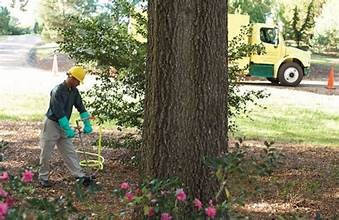
The focus has moved from the branches to the roots. Proactive owners are using this dormant winter season to “charge” the soil. Mixing biochar (a specialized charcoal that holds water and nutrients) with mycorrhizal fungi is the new gold standard. It creates a “social network” for roots that helps trees share resources and resist drought.
- AI-Driven Stress Forecasting
High-tech homeowners are using apps that use predictive analytics rather than just diagnosis. By scanning a tree with an app like PlantTrace AI, the software analyzes leaf vein patterns and bark texture to find “invisible stress” (low chlorophyll or early-stage boring insects) up to four weeks before the human eye can see it. The benefit: You can apply organic treatments early, saving the tree before the damage is permanent.
- Smart Hydration & “Deep Winter” Watering
Proactive watering is critical these days. Smart systems like the Rachio 3 or Senso now include “Winter Dormancy” modes. They monitor soil temperature and automatically deliver a “deep drink” on days when the ground isn’t frozen, preventing winter desiccation (the leading cause of evergreen death. Applying a waxy, organic spray to evergreens in late winter is trending as a way to “lock in” moisture against harsh winds.
These tips on proactive tree care can help you stay ahead of the game—whether you’re a homeowner or an arborist. Being proactive shrinks costs, reduces limb damage, and improves safety. It can help you transform your landscape.
Discover 7 Secrets to Hiring a Certified Arborist that Fits Your Needs
by John Campanini, Technical Director, RI Tree
There are three main reasons why you might need an arborist. A large tree has visible dead limbs or significant cracks, and you need to hire an arborist to do a safety inspection and remove any hazards. A mature tree has broken limbs hanging dangerously after a storm with high winds, and you need an arborist for emergency stabilization or tree removal. Or, a valuable tree appears sickly, has discolored leaves, or shows signs of pests or diseases, and you need an arborist to diagnose the problem and provide proper, long-term treatment. In Rhode Island, certified arborists must meet two requirements: (1) they must obtain a Rhode Island Arborist License, and (2) they must fulfill the requirements for the ISA Certified Arborist credential (or an approved equivalent), which is typically used to qualify for the state license. To qualify for the ISA Certified Arborist exam, you typically need a minimum of three years of full-time, eligible, practical work experience in arboriculture OR a combination of education (like a degree in arboriculture, forestry, or horticulture) and practical experience.
Benefits of Hiring a Certified Arborist
Hiring a certified arborist provides a wide range of benefits that go far beyond simple tree trimming or mulching. Specialists in the art and science of tree care, arborists can:
- Ensure your trees are healthy and thriving
- Conduct professional tree risk assessments
- Provide insurance protection on risks
- Increase property values by maintaining trees
- Proactively maintain trees and identify hazards
- Save you the high cost of tree removal
- Provide proper pruning and planting advice
- Safely execute dangerous work
Put simply, a certified arborist provides the specialized knowledge, proper techniques, and necessary insurance that a non-certified general service provider cannot guarantee, turning your trees into a lasting, valuable, and safe part of your landscape.
Keys Hiring Certified Arborist Rhode Island’s unique coastal environment, with its strong winds, humid summers, and potential for winter salt damage, makes expert tree care essential. When hiring an arborist in the Ocean State, do so carefully.
Here are seven hacks for hiring a certified arborist in Rhode Island:
- Verify RI arborist license: Ask to see the arborist’s license, then check the RI DEM’s database of licensed arborists to ensure they’re legally compliant to work in the state. Rhode Island arborists must be licensed by the Rhode Island Department of Environmental Management (RI DEM).
- Confirm ISA certification: Beyond the required state license, look for the ISA (International Society of Arboriculture) Certified Arborist credential. This voluntary certification confirms the individual has passed a rigorous exam and maintains high standards of knowledge in tree biology, diagnosis, and proper care.
- Insist on local insurance verification: Tree work is high-risk. Demand a Certificate of Insurance showing they have General Liability and Worker’s Compensation coverage. Call the insurance company to confirm the policies are current and cover tree-related work in Rhode Island. If an uninsured worker is injured on your property, you could be liable.
- Research pruning standards and local pests: Ask what pruning standard the arborist follows. Ideally, it should be ANSI A300. He or she should also be familiar with local threats, like the spotted lanternfly, and gypsy moth (spongy moth), and how to manage trees susceptible to salt damage near the coast
- Talk with at least three arborists: Obtain detailed, written estimates from at least three different certified, licensed arborists. Ensure the bids specify exactly what work will be performed (e.g., pruning specific limbs vs. complete removal) and what clean-up is included. Hire the one you’re most comfortable with.
- Avoid harmful practices (especially topping): A knowledgeable arborist will never recommend “topping” (the indiscriminate cutting of large branches to stubs), as this severely damages trees and creates hazardous regrowth. Reject any company that suggests this practice.
- Check for municipal permit requirements: If the work involves a street tree (on or near the town right-of-way) or requires work on your town’s public land, you may need a permit from the local tree warden (who must also be a licensed arborist). Check with your local city or town hall, as this is a common requirement in RI municipalities like Providence and South Kingstown.
Choose an Arborist that Fits Your Needs
Use these seven tips above to help you choose an experienced arborist who fits your specific needs and budget. Obtain multiple bids for the job and don’t always hire the lowest bidder. Also, verify their credentials and ensure they comply with local regulations. That’s critical in Rhode Island. New England’s unique coastal environment—with its strong winds, humid summers, and potential for winter salt damage—makes expert tree care essential.
Discover Proven Techniques for Bigger, Healthier Tree Growth!
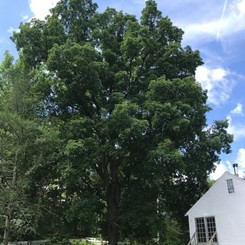
Large, mature trees, such as those listed on the RI Tree’s Champion Tree webpage, offer significantly greater benefits than smaller trees. Planting them, however, can be a challenge. Doing so in the fall reduces “transplant shock” and gives trees the best chance to establish roots before the stress of a full growing season.
Here arHere are seven tips for big tree care in the fall:
Clean up fallen debris
Heavy piles of leaves or debris. Piles of branches can trap pests, fungal spores, and excess moisture, which may damage the tree’s base. Remove them.
To ensure safety, have an ISA Certified Arborist perform a professional safety inspection, especially if the tree is near a residence, driveway, or utility line, or if you notice any sudden, large, exposed roots, or cracks in the trunk. They can recommend corrective measures like cabling or bracing to support weak limbs against winter weathere seven tips for big tree care in the fall:
1. Water trees deeply
Water your trees thoroughly until the ground freezes. Even as temperatures decrease and leaves fall, trees still need sufficient moisture to prevent drying out. Focus on the root zone, which extends to the tree’s drip line (the edge of the canopy).
2. Apply a layer of mulch
Apply a 2- to 4-inch layer of organic mulch, like wood chips or shredded bark, around the tree’s base. Keep the mulch several inches from the trunk to avoid moisture buildup, which can cause bark rot and disease.
3. Prune dead or damaged Branches
Fall is ideal for pruning dead, diseased, or broken branches. Remove these hazards before winter storms and heavy snow to prevent them from falling and causing damage to people or property.
4. Inspect for pests and diseases
Inspect the trunk and branches for signs of insect damage, fungal growth, or abnormal discoloration. Detecting problems early lets you plan necessary treatments before the spring growing season.
5. Fertilize if necessary
Late fall is ideal for applying a slow-release, deep-root fertilizer, which helps feed the root system. Professional deep-root fertilization is often the most effective approach for large, mature trees.
6. Protect against trunk damage
Protect the trunk from sunscald. Use a commercial tree wrap on the lower trunk or consider installing tree guards to prevent damage from rodents and deer rubbing their antlers. Remove the wrap in the spring.
7. Clean up fallen debris
Heavy piles of leaves or debris. Piles of branches can trap pests, fungal spores, and excess moisture, which may damage the tree’s base. Remove them.
To ensure safety, have an ISA Certified Arborist perform a professional safety inspection, especially if the tree is near a residence, driveway, or utility line, or if you notice any sudden, large, exposed roots, or cracks in the trunk. They can recommend corrective measures like cabling or bracing to support weak limbs against winter weather.
Revitalize Your Trees: Discover the Power of Root Deep Care Today!”
Urban trees often require fertilization. That’s mainly due to the unique characteristics of city soils. Signs urban trees need fertilization include yellowing leaves (chlorosis), thinning canopies, short twigs, stunted growth, branch dieback, a weak response to mild drought, and early leaf drop. If you see these signs, your tree or trees need fertilization.
Here are seven tips for fertilizing trees correctly:
1. Get a soil test first
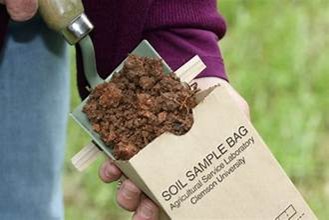
Get a soil test using a local agricultural extension office or lab. The test can determine the soil pH, which determines how well a tree or plant absorbs available nutrients. (The University of Rhode Island will test soil for free.)
2. Choose the right fertilizer type
Prioritize slow-release nitrogen (N) fertilizers. Since nitrogen is often deficient in the soil and critical for foliage growth, consider a fertilizer with a high nitrogen ratio (like a 3-1-2 or 4-1-1 N-P-K ratio)
3. Fertilize the correct root zone
Spread fertilizer across the entire area under the tree’s canopy, extending at least to the dripline. Keep fertilizer a few inches away from the base of the trunk.
4. Apply at the optimal time
Fertilize in mid-spring after the leaves have emerged and grown to full size. That’s when a plant will benefit the most from fertilizer laden with nutrients to help create more energy.
5. Use the correct application method
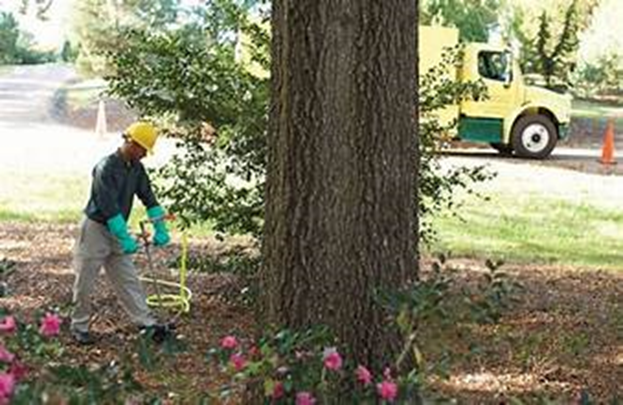
Spread granular fertilizer evenly over the mulched area and water it thoroughly. Use an auger or punch bar to create 8–12-inch-deep holes, spaced 2–3 feet apart. Then, spread fertilizer evenly among these holes to get the nutrients below the grass roots.
6. Apply the correct rate
Always follow the rates specified in your soil test report. And use the correct type of fertilizer, at the proper rate, at the right time, and in the correct location.
7. Ensure adequate water and mulch
Water the tree or plant immediately after applying fertilizer to help move the nutrients into the root zone. Maintain a 2–4-inch layer of organic mulch (like wood chips) over the root zone.
Fertilizing trees in urban areas is often a must. So, watch for the signs, like yellowing leaves or premature leaf drop, that tell you your trees may need fertilizing. Then do a soil test and follow the test’s instructions for fertilization.
Do you have fertilization questions? Contact the experts at RI Tree. They’ll guide you through fertilization, saving you time and money.
Boost Tree Health Now: Six Proven Strategies to Beat Drought Stress
July was hot, with the average daily high around 84°F (29°C). Several days in July reached the 90s or higher, with some even hitting 100. Rainfall averaged 5 inches, which can keep most soil moist, but still not enough for plants to survive and thrive. If this month is anything like August in other years, it could be just as hot as July, if not hotter.
History indicates that August tends to be at least several degrees hotter in Rhode Island than July. This month often records the highest summer temperatures of the year. By mid-month, plants could begin to show early signs of drought stress, which can negatively impact their growth and development. Combating drought stress can be a challenge.
Drought Stress Symptoms
Drought stress symptoms in plants include cupped and curled leaf edges, wilting of foliage, and new shoots less than a year old. Other signs are yellowing or browning leaves and early dropping of leaves or fruit. Drought-stressed plants may also show stunted growth and overall lack of vigor.
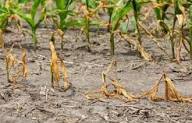
Drought stress also weakens a plant’s defense systems, making it vulnerable to secondary problems like Gypsy moths, root rot, and canker fungi. These “secondary invaders” are often the final cause of death for a distressed tree or plant. As a result, trees and shrubs may need extra watering to protect them from damage.
Challenges to Plants from Drought Stress
Drought stress poses significant challenges for tree care, impacting tree health and increasing susceptibility to other issues:
• Pests during this time include Bark Beetles, which are one of the most well-known groups of pests that capitalize on drought-stressed trees, especially conifers like pine, spruce, and fir. Weakened trees can’t produce enough resin to “pitch out” the beetles, allowing them to tunnel under the bark. Other pests to watch out for include Ambrosia beetles, scale insects and mites, and gypsy moth. (Spongy moth).
• Diseases to watch for include canker fungi, which appear sunken and dead areas on tree bark. Many fungi that cause cankers, such as Cytospora and Nectria, need a stressed host to infect successfully. Drought-induced bark cracking can also let these fungi enter. Also, watch for root rot, which can damage a tree’s root system and make it more vulnerable to various pathogens and vascular wilts, which can block a tree’s water transport system.
Six Steps to Battling Drought Stress
As a caretaker of trees, your role in combating drought stress is crucial for their long-term health and survival. Here are six critical steps you can take to make a significant difference:
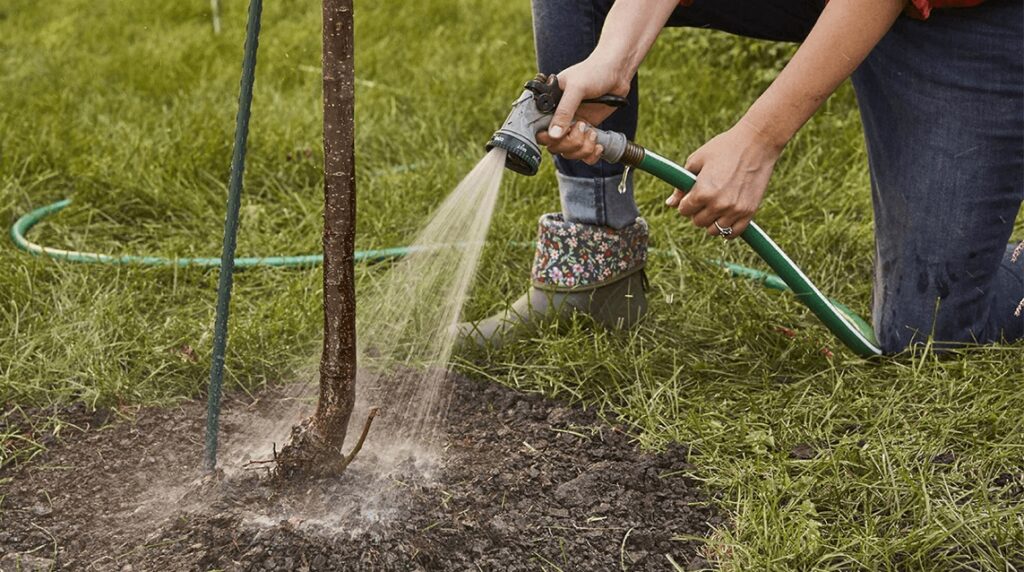
- Water deeply and infrequently: Trees are remarkably resilient. By providing a slow, thorough soak of the entire root zone, you encourage this resilience and enhance their long-term survival. Aim for about one inch of water per week from rain or irrigation. Remember, watering deeply once a week is better than giving shallow, frequent watering.
- Mulch for moisture retention: Apply a 2-4 inch layer of organic mulch, such as wood chips or shredded bark, around the tree’s base. Mulching helps the soil retain moisture, reduces evaporation, and suppresses competing weeds and grass. Keep the mulch a few inches from the tree’s trunk to prevent rot and pest issues.
- Prioritize trees: Focus on watering your most valuable or vulnerable trees. This step includes newly planted trees (within their first 3-5 years) and mature trees that provide significant shade and are expensive to replace. Brown lawns will recover; dead trees won’t.
- Avoid fertilizing: During a drought, a tree’s energy should focus on survival not growth. Applying fertilizer can stimulate new growth, which requires more water and can increase the tree’s stress. Wait to fertilize until the drought ends and the tree has recovered.
- Stop pruning (except for deadwood): Avoid unnecessary pruning of live branches, as this creates wounds that require healing energy. This energy should be conserved during a drought to help the tree cope with stress and survive. Only prune to remove dead, damaged, or diseased branches, as they can harbor pests and diseases.
- Eliminate competition: Remove turfgrass and weeds from beneath the tree’s canopy. Grass and weeds directly compete with the tree for water and nutrients. Replacing this area with a layer of mulch is an effective way to support the tree.
Recently Installed Trees
Recently planted plants (up to 3 years after planting) require at least 10 gallons of water per week, which should be doubled for established plants. Additionally, to reduce water evaporation, irrigate either early in the morning or at dusk when the temperature is below the daily high.
Finally, trees and shrubs are nearing the end of their annual growth cycle. The last stage of this cycle involves developing the buds for next year (both vegetative and flowering). By the end of August, these new buds should be visible in the leaf axils, where the leaf attaches to the stem.
Be vigilant and watch for plant drought symptoms that appear when daily temperatures rise above 85°F for 3-4 days in a row or dry conditions persist for more than 10 days.
Need help combating drought stress? Contact RI Tree by phone (401) 764-5885 or email. Our experts can provide proven strategies to help your plants survive and thrive.
7 Causes of Major Plant Failure That Can Devastate Your Trees
Trees fail more often than you think. Various factors can trigger failure. When that happens, the tree can pose significant risks. So, you may need to remove the tree. That can be costly.
Understanding the factors that cause major tree failure can help you save a tree. It can also boost awareness for better tree care practices.
Below are seven causes of major tree failure and how to stop them from devastating a tree. For more information on plant failure, see this blog post)
- Diseases— They can weaken a tree’s structure, causing it to fail. Root damage and unfavorable weather can also help with diseases. Early detection is critical. Identify the pest, choose the correct control method, and apply it.
- Pests—They can eat away at a tree’s roots, leaves, and/or trunk. That can weaken its structure and boost its disease susceptibility. Identify the pest. Then, choose the correct treatment to eradicate the pest. You can also consult RI Tree on pests and their controls.
- Weather—Severe weather events, like snowstorms and high winds, can cause major tree failure. Inspect your trees after severe weather events. Look for signs of damage. Proper pruning keeps trees healthy and minimizes wind resistance, improving overall health.
- Improper planting— Planting trees too deeply, in the wrong location, or using improper techniques can generate root problems. That. in turn, can cause tree failure. You can’t do much to fix a tree planted incorrectly. You can, however, learn from your mistakes.
- Root damage—Construction, soil compaction, and other activities can damage a tree’s roots, compromising its health and stability. Proper watering, fertilizing, and mulching can help overcome root damage.
- Poor maintenance—Neglecting trees can lead to big problems and eventual failure. Take care of your trees. That includes regular watering, pruning, and mulching. It also includes monitoring signs of disease or pest infestation.
- Age— Mature trees become more susceptible to failure as they age. Proper care can increase a tree’s life. Even with the best care, trees will fail. Remove the tree as soon as you can. (See our blog post on preserving older trees.)
Major tree failure happens all too often. That can cost you big time. Be mindful of the seven major causes of plant failure described above. In severe cases, consult a certified arborist or contact RITree for help.
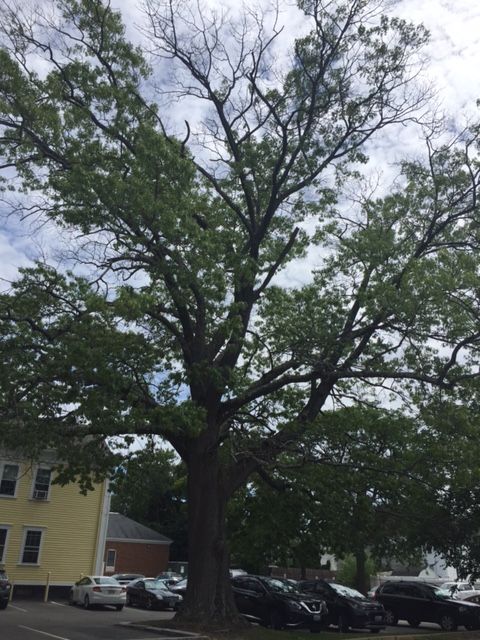
7 Tips on Fertilizing Trees and Shrubs
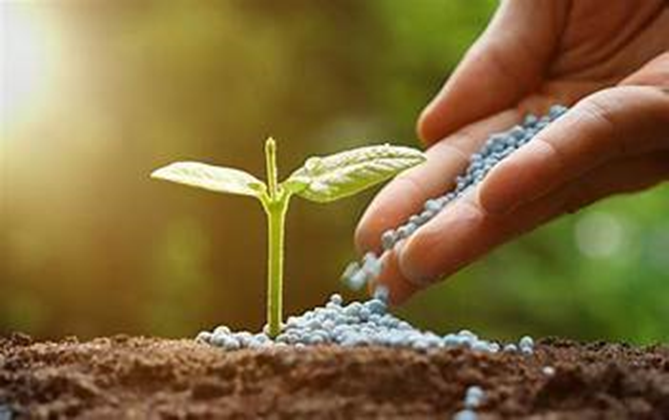
If you want to have a healthy tree on your property, you must ensure your soil has plenty of nutrients and organic matter. If the tree doesn’t get these materials from the soil, it could wither and die. Fertilizing your tree is a great way to boost its health, appearance, and lifespan —all while helping benefit the environment.
Below are seven tips on fertilizing a tree or trees:
- Choose the right fertilizer: You want a fertilizer that’s right for your situation. Fertilizers include a mixture of nitrogen, phosphorous, and potassium. Generally, use a fertilizer with an NPK ratio of 10-10-10 or 12-4-8.
- Apply fertilizer from early spring to late fall. Those are the best times to fertilize trees in most areas. Don’t fertilize during the winter. It’s the worst time to do it.
- Apply fertilizer over the root zone: This area is beneath the tree’s canopy. Spread the fertilizer evenly using a broadcaster or drop spreader.
- Water the fertilizer thoroughly: Watering helps the nutrients penetrate deep into the soil.
- Sandy soil drains faster than clay soil: You may need to fertilize sandy soil more often than clay soil.
- Fertilize in the fall: If you live in New England, where it can get cold, fertilize in the fall. Plants will store nutrients all winter to return strong in the spring.
- Avoid overfertilizing: That can not only damage plants, it can also pollute the environment. Follow the directions on the fertilizer label.
These tips can help you when it comes to taking care of your trees and shrubs. If you have any questions regarding fertilization, contact an arborist or RI Tree. Asking for help from a professional never hurts.
Seven Fertilizing Tips to Boost Tree Health, Appearance and Life Span
Trees need plenty of nutrients to grow healthy and strong. If they don’t get them, they’ll wither and die. The soil provides plenty of nutrients for trees. But nutrient depletion over time, poor soil management, natural factors like soil type, and pollution (acid rain and agricultural runoff) can strip nutrients from the soil and make it less rich. So can soil erosion, excessive tilling, overfertilizing, soil that’s too sandy, and acid rocks.
To preserve trees on your property, you must ensure your soil has plenty of nutrients and organic matter. Below are five signs you need to fertilize your trees and shrubs to boost your soil’s nutrient content.
- Yellowing leaves
- Stunted growth
- Poor flowering
- Thin foliage
- Dead or dying branches
If you see any or all of these signs with your trees, they indicate that your soil may lack the nutrients needed to grow healthy trees. Testing your soil will tell you for sure.
Testing Your Soil
Testing your property’s soil can uncover any problems you have with it. You can test soil anytime the ground isn’t frozen. The best time to test your soil, though, is in the spring. That way, you can address any issues before planting. If you live in Providence, you can get your soil tested for free. You can also get a soil test through URI’s Master Gardener program. Consult a local arborist or RI Tree for help or advice on soil testing.
The Morton Arboretum in Lisle, Illinois, recently conducted a five-year study designed to evaluate the effects of organic and inorganic fertilizers on soil quality and tree growth. Its researchers tested several substrates, including hardwood mulch, compost, aerated compost tea, synthetic NPK fertilizer, and a commercial biological product (mycorrhizae). The study shows that soil compost and mulch boost soil quality the most, while mulch and compost increase tree growth the most.
Benefits of Fertilizing Trees
Fertilizing benefits trees enormously. Put simply, it’s a cost-effective way to improve a tree’s health, appearance, and lifespan of a tree—all while helping benefit the environment. Here are several benefits of fertilizing trees:
- Boost tree growth and vigor
- Increase resistance to stress
- Improve full fruit and floor production
- Extend life span
- Enhance esthetic value
- Improve the quality of air
- Cut noise pollution
Keep in mind that trees absorb pollutants from the air and release oxygen. Plus, they reduce noise pollution by blocking sound waves.
Tips on Fertilizing Trees
The first step when fertilizing trees and shrubs is choosing the right fertilizer. Look for the letters NPK on a fertilizer label. That indicates the fertilizers include a nitrogen, phosphorous, and potassium mixture—three critical plant nutrients. Types of NPK fertilizers include balanced, incomplete, and organic.
If your trees have yellow leaves or show stunted growth, the soil may be deficient in nitrogen. In that case, you’ll want a fertilizer rich in nitrogen content. Otherwise, you may want a good “balanced” fertilizer with an NPK ratio of 10-10-10 or 12-4-8
Here are six additional tips on fertilizing trees and shrubs:
- Apply fertilizer from early spring to late fall. That’s the best time to fertilize trees in most areas. Don’t fertilize during the winter. It’s the worst time to do it.
- Spread the fertilizer over the tree’s root zone. That’s the area beneath its canopy. Apply the fertilizer evenly with help from a broadcaster or a drop spreader.
- Water the fertilizer thoroughly. That will help the nutrients penetrate deep into the soil.
- Sandy soil drains faster than clay soil. So, you may need to fertilize sandy soil more often than if you have clay soil.
- Fertilize in the fall in areas with cold winters, like New England. Trees will store nutrients all winter so they can return strong in the spring.
- Avoid overfertilizing. That can not only damage plants, it can also pollute the environment. Follow the directions on the fertilizer label.
These tips can help you when it comes to taking care of your trees and shrubs. If you have any questions regarding fertilization, contact an arborist or RI Tree. Asking for help from a professional never hurts.
7 Watering Tips
Watering plants is the key to helping plants to survive and thrive. They need water for not only photosynthesis—the process by which they convert sunlight into energy—but also to transport nutrients throughout the plant.
Water also helps plants absorb critical nutrients. Without water, plants can’t dissolve the soil’s minerals and nutrients needed for growing and developing. Plus, water provides turgor pressure, which keeps plant cells rigid and upright. Lacking turbo pressure, plants will wilt and die.
Below are tips we suggest to people to keep your plants hydrated:
- Research your plant’s water needs:
- Cluster plants with similar water needs
- Water deeply and infrequently:
- Water early morning or late evening
- Use a soaker hose or drip irrigation system
- Mulching correctly
- Check soil moisture
One caveat when it comes to watering plants: don’t over-water. It can lead to root rot—a deadly fungal disease. Also, make sure you adjust your schedule to the region’s weather. Water more during dry periods. Water less during cool, rainy periods. Finally, watch for water stress.