

Seasonal
Achieve Perfect Landscaping: Seven Critical Mid-winter Tree Care Hacks!
by: John Campanini Jr., Technical Director, RI Tree
Winter in New England is hard on trees. Unlike regions with a steady deep freeze, our coastal influence and frequent “January Thaws” create a cycle of freezing and thawing that’s often more damaging than the cold itself. Additional challenges for winter tree care in New England, are the use of road salt, winter burn, heavy snow and ice loading, animal girdling and feeding, winter-active invasive pests, and mechanical damage from plowing the region’s roads
Beating these challenges isn’t easy. Arborists and homeowners need to stay abreast of what’s happening in the region to help trees survive. Misconceptions about winter tree care, however, can lead to “passive damage”—harm that isn’t immediately visible until the following spring or summer. When we act on poor advice, we often disrupt the tree’s internal “plumbing” or its natural defense mechanisms. Put another way, misconceptions about how trees handle the cold often lead to avoidable damage.

Below are seven common mid-winter tree care tips that can physically and biologically hurt your trees:
1. Watering prevents mid-winter desiccation
When a tree (especially an evergreen) goes months without water because the homeowner assumes it is “asleep,” it often suffers from physiological drought. In other words, it can lead to desiccation. Even in the mildest of winters, New England winds pull moisture out of needles and bark. If the roots are in dry soil, they can’t replace the water they’ve lost. This causes the cells to collapse and die, leading to “winter burn.” By spring, you aren’t looking at a sick tree—you’re looking at a tree that partially dehydrated to death.
2. Shaking snow can cause vascular snap
Trying to save a bending branch by shaking it can lead to vascular snap—an internal fracturing of water-conducting tissues caused by shaking brittle, frozen branches, which disrupts sap flow even if the wood appears physically intact. Shaking or beating a branch doesn’t just risk a clean break; it can cause microscopic cracks in the xylemand phloem (the tree’s circulatory system). Even if the branch doesn’t fall off, it may never “plumb” water again, causing it to die slowly over the next two years.
3. Overfertilizing can cause a cellular explosion
Applying nitrogen-heavy fertilizer in mid-winter can trigger a hormonal “wake up” call at the worst times. Nitrogen encourages the tree to produce new, tender cells. If a “January Thaw” is followed by a typical New England deep freeze, the water inside those new, un-hardened cells freezes, expands, and literally explodes the cell walls. This leaves the tree with blackened “dieback” and a depleted energy reserve.
4. Wound paint creates a fungal incubator
Using tar or paint to “seal” a pruning cut traps moisture against the wood. Trees don’t heal; they compartmentalize (seal off) wounds using a process called CODIT. By painting the wound, you are essentially building a “greenhouse” for anaerobic bacteria and wood-decay fungi. This greenhouse prevents the tree from forming its own natural “callus wood” and encourages rot to spread deep into the trunk.
5. Treating trees with dormant oils stops infestation
Assuming that a night in Providence killed the pests leads to a scouting vacuum. Invasives like the Hemlock Woolly Adelgid have evolved a form of “biological antifreeze” in their systems. If you don’t treat them with dormant oils or mechanical scraping in the winter, their populations will explode unchecked the moment the first leaf appears, often overwhelming a tree that is already stressed by winter weather.
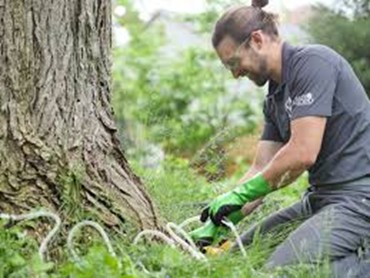
6. Sap flow is a sign of positive root pressure
If a homeowner panics because a Maple is “bleeding” sap after a winter prune, they might apply harmful chemicals or sealants to “stop the leak.” Sap flow is actually a sign of positive root pressure and health. Attempting to stop it is like trying to stop a healthy person from sweating. The “bleeding” actually helps flush the wound of potential pathogens. Using sealants alone interferes with this natural cleansing process.
7. Bark is living tree tissue
Thinking bark is an “inert shield” leads people to ignore the south-facing side of young trees. Bark is living tissue. On a sunny 35°F Day in Rhode Island, the dark bark on the south side can reach 60°F, “waking up” the cambium layer. When the sun drops, that tissue flash-freezes. This creates a sunscald wound—a massive vertical strip of dead bark that can girdle and kill a young tree within a single season.
Use the tips above to prevent passive damage to trees—damage that can’t be seen until spring or summer. This activity wrecks a tree’s “internal plumbing” or its natural defenses. So, if you live in New England, address those mid-winter problems right away when it comes to tree care. It will save you time and money.
Questions about winter tree care? Contact experts at RITree. Or call (401) 764-5885. They’ll help you steer clear of winter tree care myths and boost the health of your trees.
Seven Critical Mid-winter Tree Care Hacks!
Misconceptions about winter tree care can lead to “passive damage”—harm that isn’t immediately visible until the following spring or summer. That’s especially true if you live in New England.
Below are seven common mid-winter tree care tips that can physically and biologically hurt trees:
1. Watering prevents mid-winter desiccation
When trees go months without water, it can lead to desiccation and winter burn—even with Evergreens. Even in mild winters, New England winds can drain needles and bark. If the roots are in dry soil, they can’t replace the water they’ve lost.

2. Shaking snow can cause a vascular snap
Shaking or beating a branch with snow can cause vascular snap as well as microscopic cracks in the xylemand phloem (the tree’s circulatory system). To treat snow on branches, gently remove heavy, wet snow using an upward, sweeping motion with a broom to prevent breakage.
3. Overfertilizing can cause a cellular explosion
Applying nitrogen-heavy fertilizer in mid-winter encourages the tree to produce new, tender cells. A “January thaw” followed by a New England deep freeze can cause the water in those new cells to harden. This activity leaves trees with blackened “dieback” and a depleted energy reserve.
4. Wound paint creates a fungal incubator
Trees don’t heal; they compartmentalize (seal off) wounds using a process called CODIT. By painting the wound, you are essentially building a “greenhouse” for anaerobic bacteria and wood-decay fungi. Treating trees with dormant oils stops infestation.
5. Treating trees with dormant oils stops infestation
Some invasive pests, like the Hemlock Woolly Adelgid, have evolved a form of “biological antifreeze” in their systems. If you don’t treat them with dormant oils or mechanical scraping in the winter, their populations will explode.
6. Sap flow is a sign of positive root pressure
Trying to stop it is like trying to stop a healthy person from sweating. The “bleeding” helps flush potential pathogens from the wound. Using sealants alone interferes with this natural cleansing process.
7. Bark is living tree tissue
When the sun drops, bark can flash-freeze, creating a sunscald wound—a massive vertical strip of dead bark that can girdle and kill a young tree. Prevent sunscald damage by wrapping young trunks with white tree guards or burlap.
Questions about winter tree care? Contact experts at RITree. Or call (401) 764-5885. They’ll help you steer clear of winter tree care myths and boost the health of your trees.
Discover the Green Secrets: 7 Ways to Responsibly Dipose of Your Artificial Christmas Tree
By John Campanini, Technical Director
Did you buy an artificial Christmas tree this year? Many did. Most artificial trees are made from PVC and metal. While this combination of materials boosts the trees’ durability, it prevents them from breaking down in landfills, where they can remain largely unchanged for hundreds of years. Ideally, you want to keep an artificial tree for 10 to 20 years to offset its carbon footprint from manufacturing and shipping.
However, if you discard the tree after 6 or 7 years (its average lifespan), you incur a significant net environmental loss compared to a real tree that can be mulched or composted. More importantly, the artificial trees can remain in landfills for hundreds, or even thousands, of years, locking in their environmental impact, leaching toxic additives into the ground, and shedding microplastics.
If you’re at all environmentally conscious, disposing of artificial trees in landfills isn’t an option. Neither is recycling them. They’re “composite” products that can’t be separated into their individual materials. However, their durability makes them outstanding candidates for donation, resale, or creative upcycling.

Below are seven practical things you can do with your artificial tree after the holidays:
1. Donate it to local organizations
If your tree is still in good condition, many non-profits would love to have it for next year. This is a great way to spread holiday cheer to those who might not have the budget for a tree. Nursing homes, hospitals, local schools, or small community churches are all places you could donate your tree to after Christmas. Organizations like Goodwill or The Salvation Army will accept artificial trees in their original boxes.
2. Transform it into wreaths and garlands
If the tree is starting to look “bald” or the stand is broken, don’t throw it out. The individual branches are perfectly usable for smaller decor. Use wire cutters to snip branches and wrap them around a wire frame. You can also twist several branches together to create a lush green runner for your mantel or staircase.
3. Convert it into a “winter” or Valentine’s tree
You don’t have to pack the tree away immediately. Many people “winterize” their trees to keep the cozy vibe through January, which you can do by removing the red and green; replace them with white lights, pinecones, and faux snowflakes. You can also spray-paint the tips of the tree pink or red and decorate it with hearts for a February conversation piece.
4. Sell it on Online Marketplaces
Artificial trees can be expensive, so there is a high demand for used ones in good condition. Use Facebook Marketplace, Nextdoor, or Craigslist to promote your tree’s availability. If you sell it in January, you might get a lower price, but it clears up your storage space immediately.
5. Dismantle for scrap metal recycling
While the PVC “needles” are rarely recyclable, the internal frame of an artificial tree is usually made of high-quality steel or aluminum, which you can recycle. Use pliers to strip the plastic branches away from the central metal pole. Then, take the metal pole and the metal branch centers to a local scrap metal recycler. They may even pay you something for the weight!
6. Contribute to school art projects
Art teachers and community centers often seek textured materials for crafts. Branch tips from your tree, for example, can be used for “evergreen” dioramas, architectural models, or even as stamps for textured painting. This approach has two benefits: It keeps plastic out of the landfill while supporting local education.
7. Organize a proper bulk pickup
If the tree is truly at the end of its life and cannot be reused, do not put it in your standard recycling bin—it could jam the machines. Instead, add it to a bulk pickup pile. Most cities, however, require you to schedule a “Bulk Item” pickup. Of course, you may need to break the tree down into its 3–4 main sections and place them in a specific box or bag as per your local waste management guidelines. Always follow these guidelines. They save time and money.
Donation Centers in Rhode Island
For damaged or no longer usable trees, Rhode Island residents can dispose of them through the city’s bulky waste program. Other donation centers include:
- Savers—This organization is a convenient option in the North Providence area for those who want to donate household seasonal items. It generally accepts boxed artificial trees that include all their parts.
- Goodwill, Providence, RI, Attended Donation Center—It serves as a primary drop-off point for those wishing to support Goodwill’s mission. This location is part of their larger Rhode Island campus and is dedicated to receiving public donations.
- Salvation Army Thrift Store & Donation Center—Located on Pitman Street, this non-profit is a well-known charity hub in the East Side of Providence. They accept various holiday items, including artificial trees, to stock their thrift store, with proceeds benefiting their adult rehabilitation programs.
- Rhode Island Resource Recovery / Central Landfill—Many artificial trees have heavy-duty metal frames. If you are willing to strip away the plastic needles, the metal center can be recycled as scrap metal at the landfill in Johnston or through a local private scrap yard.
If you live in Providence, you can schedule a free pickup for up to 3 bulky items per week. Artificial trees are considered bulky waste. You must call Waste Management at 800-972-4545 or use their online portal to schedule an appointment before putting the tree at the curb.
Real or Fake? Transform Your Holiday by Choosing the Perfect Christmas Tree
What kind of Christmas tree are you buying this year—real or artificial? Choosing a tree can make or break a holiday, so you need to get it right. That’s easier said than done. Consider the full lifecycle of each option before buying your tree helps. But even with that, picking the right Christmas tree can be challenging. Cost, appearance, and convenience in a Christmas tree are obviously critical.
You also need to consider the tree’s environmental impact, which can be significant. A Christmas tree impacts the planet in ways we probably never think of, such as our carbon footprint, climate change, waste and landfill use, resource depletion, and ecosystem quality. From an ecological standpoint, the most critical factors in picking a Christmas tree are reuse and end-of-life disposal.
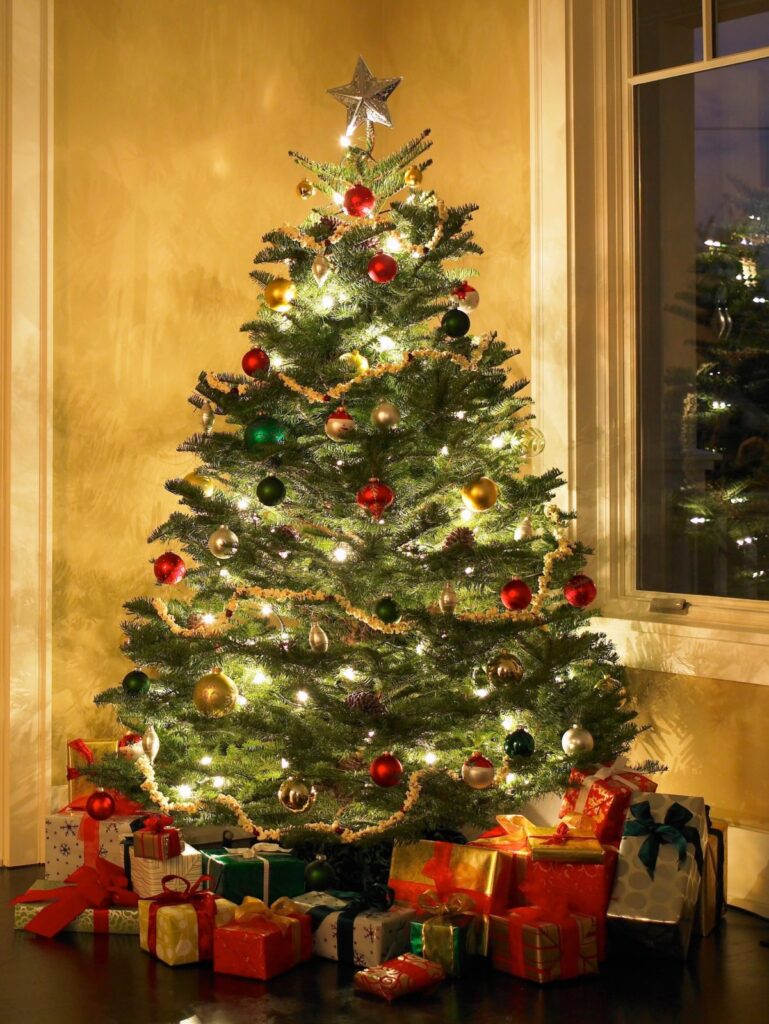
Below is a quick overview of the impact of Christmas trees on our ecosystem and what you should keep in mind if you want to make an eco-friendly choice.
Real Trees: The More Natural Choice
Buying a real Christmas tree seems like the natural choice. Most trees come from dedicated tree farms rather than wild forests. These farms grow millions of trees each year across North America and Europe, planting anywhere from one to three new seedlings for every tree they harvest. During their 7–12-year growth period at the farm, the trees do a lot of good, including absorbing carbon dioxide, producing oxygen, and stabilizing soil.
Real trees have several advantages. Their root systems, for example, help reduce erosion, and the land they occupy can serve as habitat for local wildlife. A real tree’s most critical advantage comes at the end of its life cycle. When composted, mulched, or used in habitat restoration projects—common in many communities—real trees break down naturally, returning nutrients to the soil. Even when sent to landfills, they decompose over time.
Many tree farms, however, use chemical fertilizers and pesticides to boost tree health and appearance. These regulated agricultural chemicals can have a negative environmental impact, similar to those in other kinds of farming. Pesticides and fertilizers can pollute soil and water, harming biodiversity and organisms like pollinators. Transporting trees—sometimes hundreds of miles—also produces emissions.
Tree Farms in Rhode Island
Consumers can further lower the environmental impact of real trees by purchasing locally grown varieties and ensuring proper disposal. The most environmentally friendly real tree is one that’s sourced nearby and given a second life through recycling programs.
Below are some places where Rhode Islanders can buy real trees:
- Big John Leyden’s Tree Farm, West Greenwich
- Pachet Brook Tree Farm, Tiverton
- The Farmer’s Daughter, South Kingston
- Rossi’s Tree Farm, Cranston
- Bedrock Tree Farm, South Kingstown
- Riverside Christmas Tree Farm, Charlestown
- Sweet Berry Farm, Middletown.
These are just a few of the Christmas tree farms you can target when buying a real tree this year. If you live near the state’s borders, Massachusetts and Connecticut also have local tree farms you can buy from.
Protect Your Plants and Trees Today: Six Top Tips Against Sudden Frosts
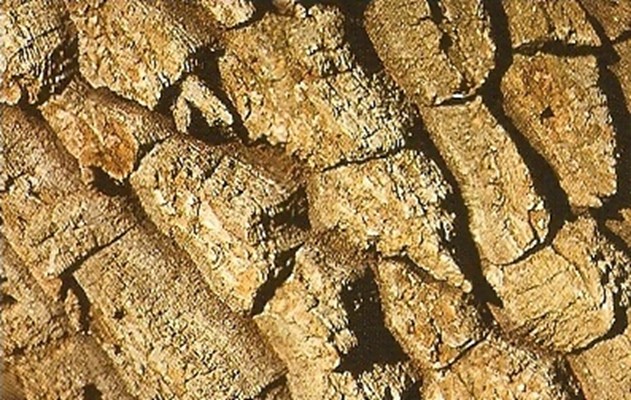
Cellular destruction is the primary danger for plants and trees from a sudden frost. When temperatures drop rapidly below freezing (32°F or 0∘°C), the water inside and surrounding plant cells freezes, causing them to expand and rupture cell membranes.
Trees, on the other hand, experience structural and systemic damage from sudden frosts, which can cause frost cracking, bark splitting, root damage, and sap flow disruption. These create openings for pests and diseases.
Tips on Protecting Plants and Trees
The main goals here are to conserve energy and prevent lethal ice formation inside the plant’s cells. Here are seven tips on how to protect plants and trees:
- Cover plants with fabric: Drape old bed sheets, blankets, burlap, or commercial frost cloth loosely over plants and small trees. Use stakes or a frame to prevent the cover from crushing the foliage. Ensure the cover extends to the ground to trap the earth’s stored heat.
- Bring potted plants indoors: Move all container plants, especially tender annuals and tropicals, into a sheltered location like a garage, shed, covered porch, or indoors.
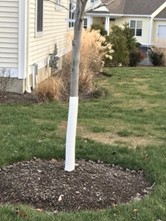
- Wrap young tree trunks: Young, thin-barked trees can be susceptible to frost damage. Wrap the trunks with a commercial tree wrap, burlap, or even cardboard to provide insulation.
- Water deeply before the freeze: Moist soil holds and re-radiates heat better than dry soil. Watering your plants thoroughly during the day before a frost is expected will help keep the root zone warmer overnight.
- Apply a thick layer of mulch: For in-ground plants and trees, apply a thick layer (about 3-6 inches) of straw, shredded leaves, or wood chips around the base. The mulch acts as an insulating blanket, helping to keep the soil and roots warm.
- Add a heat source (carefully): For very valuable or vulnerable plants, you can place a low-wattage heat source, like a strand of non-LED incandescent Christmas lights, under the cover to generate extra warmth. Always ensure the heat source is not touching the cover or foliage and does not pose a fire hazard.
A sudden, unseasonal frost endangers plants and trees because it hits before they have had time to “harden off” for cold weather. The primary danger to plants and trees when this happens is cellular destruction due to the freezing and expansion of water. Implementing some or all of the six tips above boosts your plants and trees’ chances of surviving a sudden frost.
For more information on protecting your plants and trees from sudden frosts, contact the experts at RI Tree.
Addressing Winter Damage: 7 Ways to Get Your Property in Shape Now
This winter left a lot of damage in its wake. Trees and shrubs bore the brunt of this year’s winter. Spring is the ideal time to clean and prepare your property for the warmer months. The key is to closely review the landscape and assess trees and plants for structural damage. When doing so, inspect the entire tree or shrub for any damage. It will save you time and money.
Here are seven tips to help you get your property in shape:
- Clear out winter debris: Start by removing leaves, twigs, fallen branches, and other accumulated debris from your lawn, garden beds, and hardscapes like patios and walkways. This exercise helps prevent diseases and allows air and sunlight to reach your grass and plants.
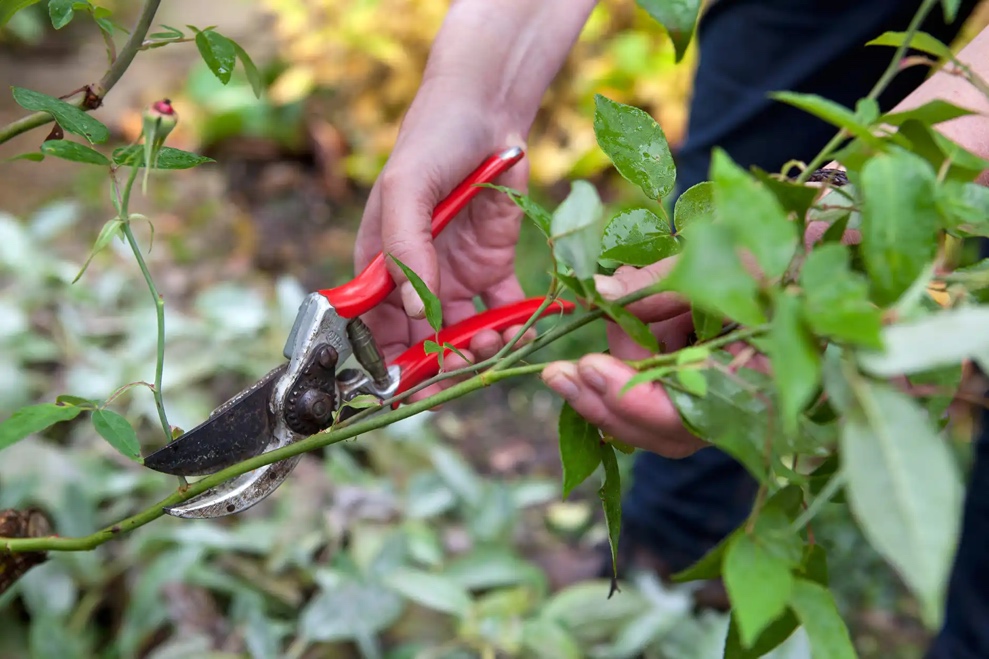
- Prune and trim: Inspect your trees and shrubs for dead, damaged, or overgrown branches from winter. Prune these back to encourage new, healthy growth. For spring-blooming shrubs, wait until after they’ve flowered to avoid removing this year’s blooms. You can also trim back dead perennial foliage and ornamental grasses.
- Prepare garden beds: Clear out old annuals and dead plant matter from your garden beds. Amend the soil with compost or other organic materials to replenish nutrients and improve drainage. This step creates a nourishing foundation for new plantings.
- Address your lawn: Not everyone has a lawn. If you do, do the following:
• Rake
• Aerate
• Fertilize
• Control weeds
• Overseed bare spots - Inspect and clean hardscapes: Power wash your patios, decks, driveways, and walkways to remove dirt, grime, and mildew that may have accumulated over winter. Also, check wooden structures like decks and fences for any rot or damage and make necessary repairs.
- Check gutters and drainage: Clean your gutters and downspouts to ensure they are debris-free and can properly direct water away from your home’s foundation. Inspect the grading around your house to confirm it slopes away, preventing water from pooling.
- Prepare outdoor equipment: Get your lawnmower and other gardening tools ready. Sharpen blades, check oil levels, and ensure everything is in good working order. This activity will make your spring clean-up tasks much easier and more efficient.
Common Spring Pests and Diseases
Spring in New England brings a flush of new growth and the emergence of various pests and diseases that can impact your plants. Being vigilant and knowing what to look for can help you address issues early. Here are some common pests to watch for in New England during the spring:
Common Pests:
- Aphids: These small, soft-bodied insects come in various colors and suck sap from new growth, causing leaves to curl, yellow, or distort. Look for them on the undersides of leaves and new shoots.
- Eastern Tent Caterpillars: You’ll see their distinctive silken “tents” in the crotches of trees like cherry, apple, and crabapple. The caterpillars emerge in early spring and can defoliate branches.
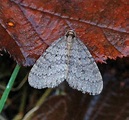
- Winter Moth Caterpillars: These small, green loopers emerge in early spring and feed on buds and new leaves of a wide range of deciduous trees, including maples, oaks, and fruit trees. They can cause significant defoliation. See photo below
Hemlock Woolly Adelgid: A serious invasive pest of hemlock trees. In spring, you’ll see small, white, cottony masses at the base of hemlock needles on the twigs. These insects suck sap and can severely weaken or kill hemlocks.
Spider Mites: Though tiny, spider mites can cause stippling (tiny yellow or white dots) on leaves, especially on evergreens and stressed plants. In severe cases, you might see fine webbing. They thrive in dry conditions.
Common Diseases:
- Apple Scab: A prevalent fungal disease of apple and crabapple trees. Look for olive-green to brown spots on leaves and fruit. Infected leaves may turn yellow and drop prematurely.
- Anthracnose: A group of fungal diseases affecting many deciduous trees. Symptoms include irregular brown spots on leaves, often concentrated along veins, and can lead to twig dieback and defoliation, especially during cool, wet spring weather.
- Powdery Mildew: Appears as white, powdery patches on leaves, stems, and sometimes flowers. While often more prevalent later in the season, it can emerge in spring on susceptible plants when conditions are humid.
- Cedars/junipers and apple/crabapple trees: In spring, bright orange, gelatinous galls may appear on cedars, releasing spores that infect apple and crabapple leaves, causing yellow-orange spots.
Also, be careful about ticks and mosquitoes. While not plant pests, spring is when these nuisance insects become active and pose health risks to humans and pets in New England. Take precautions when spending time outdoors.
For more information on pests and diseases in New England, contact our experts at RITree.org.
7 Tips on Winter-proofing Young Trees
Young trees are the key to a healthy, thriving urban landscape. But they face many
challenges in winter. Extreme cold can cause a tree’s tissue to freeze, split, and die. Newly planted trees are especially susceptible to extreme cold. Other winter challenges are desiccation (drying out), sunburn, rodents, and ice and snow damage.
Young trees are more vulnerable in winter than mature trees because of their thin bark, shallow roots, and lack of developed defenses. Here are some of the more severe winter threats to young trees:
- Snow and ice damage
- Freezing temperatures
- Desiccation (drying out)
- Sunburn (aka sunscald)
- Rodent damage
Being proactive is the key to protecting young trees in winter. Use the seven actions below to take control of young trees.
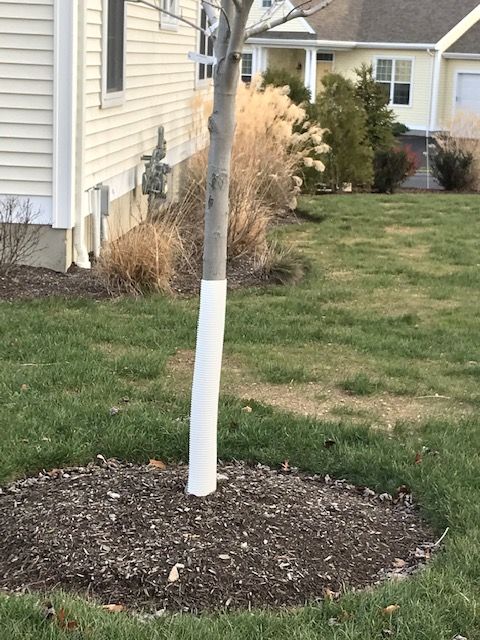
- Tree Wraps: Thin bark wrapped around the trunks of young trees protects them from sunscald and frost damage. Wrap your trees in late fall before the first hard frost.
- Mulch—Apply 2-4 inches of mulch around the tree’s base, out to the drip line (the outermost edge of the canopy where water drips off the leaves).
- Watering—Water young trees before the ground freezes. Well-watered trees are better equipped for winter. Don’t over water young trees; soggy soil can cause problems.
- Pruning—Don’t prune in late fall or early winter. Prune in late winter or early spring when trees are dormant. Remove dead, diseased, or damaged branches and branches crossing or rubbing against each other.
- Inspect trees—Look for pests or diseases and act accordingly. Winter is a great time to treat trees for specific pests that overwinter in the soil or on the tree.
- Staking—You may need to stake some young trees. If you stake your trees, make the stakes loose enough to allow trunk movement in the wind. Make sure the stakes are about a foot away.
- Snow Removal—Wet, heavy snow is bad for young trees. Gently shake the branches to remove excess snow. Don’t jerk or pull the branches.
Now that you know how to winterize young trees, be proactive and take steps now to protect them in winter. If you have questions about winterizing young trees, contact a registered arborist or one of our experts at RITree.
Use These Tips to Dispose of Your Christmas Tree Responsibly
Disposing of Christmas trees after the holiday is a challenge. Many pros and cons exist for buying a real tree. Growing Christmas trees, for example, absorbs atmospheric carbon dioxide, which is good for the planet. Real Christmas trees are also renewable when sourced from sustainable tree farms. Plus, real trees are biodegradable.
Real trees also can be composted or chipped for mulch, returning nutrients to the soil. What’s more, buying from local sources supports local businesses. If you have an artificial tree, it can be used for many years, reducing the need for repeated tree purchases. Plus, it avoids the waste associated with single-use trees.
But real Christmas trees have downsides. Transporting them from farms to stores creates a significant carbon footprint. Trucks and other vehicles that burn fossil fuels are required to deliver the trees. Cutting down trees at a tree farm also contributes to deforestation if they are not responsibly sourced.
If improperly disposed of in landfills, real trees can decompose and release methane, a potent greenhouse gas. If you favor artificial trees, disposing of them involves high energy consumption and using harmful chemicals. If made from plastic, they can be challenging to recycle and often end up in landfill.
Disposing of Christmas Trees Responsibly
Which approach is better? It all depends. Ultimately, the most environmentally conscious choice depends on individual circumstances and priorities. Ideally, you want to minimize your environmental impact by buying trees from reputable sources or buying sustainably produced artificial trees. Use your Christmas tree for as long as possible, and then dispose of your tree properly. Below are some tips on doing that.
Here are several options that involve giving your Christmas tree a new role:
• Use it as firewood —You can cut it up and use it as firewood. But the wood may still be wet, so use it only in an outdoor fire pit and only when the wood is dry. Using it indoors otherwise is a fire hazard.
• Recycle it as winter mulch—Leave the tree in your yard for the winter. It can provide much-needed shelter for small animals and birds. In the spring, chop it up and use it for mulch.
• Make it a bird feeder — Place it in its stand outdoors. Then, fill some bird feeders and hang them from the tree’s boughs. You can also drape the tree with a swag of pine cones coated with peanut butter.
• Protect plants with it — The winter is hard on tender plants. Cut a few branches or boughs from the tree and cover your tender plants for the winter. The branches will protect them from the season’s harshness.
• Add Christmas freshness to your home — Strip the tree’s pine needles and make a sachet of them. Then, hide them around the bathroom and kitchen for some cheerful fragrance.
Additional Tree Disposal Options
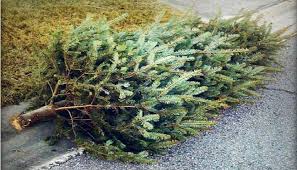
Many Rhode Island cities and towns offer curbside pickup during designated weeks in January. This option is easy, but check your local municipality’s website or sanitation department for pickup dates and guidelines. Providence, for instance, will collect trees on its regular trash pickup day in January. Check with the Department of Public Works for when the program starts and ends. The pickup period ran from January 3rd to 20th last year.
Remove everything from the tree before putting it out. The Rhode Island Resource Recovery Corporation (RIRRC) has an online guide with detailed information on when cities and towns pick up trees. You can also bring the trees directly to the Johnston facility. RIRRC grinds the trees and adds them to a composting operation that produces 40,000 tons annually.
Trees for Trout Program
Another popular option is to donate the tree to the Rhode Island Department of Environmental Management (DEM) Division of Fish and Wildlife for its Trees for Trout program. RI DEM partners with Trout Unlimited Rhode Island Chapter on this program, which uses donated trees to build fish habitats in rivers and streams. This effort restores the water bodies and gives trout and other aquatic animals a place to hide from predators.
The next collection event for the Trees for Trout program is on Saturday, January 4th, 2025, from 10 am to 2 pm at the Arcadia Check Station in Exeter, RI. You can find more information about the program on the DEM website or the Rhode Island Chapter of Trout Unlimited website.
Christmas is a great time of the year. But once it’s over, you must do something with your tree. If your municipality provides that service, you can always put it on the curb for trash pickup. But if that option doesn’t appeal to you, you can use the tree better by giving it another role. Use the tips above to make that happen.
Use These 7 Proven Tips Now to Keep Your Christmas Tree Fresh and Beautiful this Holiday Season
It wasn’t easy, but you’ve picked the perfect tree for Christmas. Now, the challenge is to keep it fresh and beautiful throughout the holiday season. Doing that, however, is easier said than done. Some people use preservatives to keep their trees fresh. Preservatives have their pros and cons. Knowing those can help you make an informed decision about using Christmas tree preservatives.
Below, we discuss the pros and cons of using preservatives to keep your Christmas tree fresh and beautiful. We also provide seven additional tips on how to do that over the holiday season, emphasizing the significance of proper care in maintaining the beauty of your tree.
Tree preservatives have several pros for keeping your tree fresh:
• Reduced needle drop: By inhibiting the growth of bacteria and fungi in the tree stand water, preservatives can help prevent needle loss, keeping your tree looking fuller and greener longer.
• Improved water uptake: Some preservatives can help the tree absorb water more efficiently by lowering the water’s surface tension. This step helps ensure the tree stays hydrated and prevents it from drying out prematurely.
• Longer lifespan: Preservatives can help extend the overall life of your Christmas tree by combining the benefits of reduced needle drop and improved water uptake, allowing you to enjoy its festive presence for a longer period.
There’s no guarantee, for example, that preservatives will significantly extend the life of your tree, and they can add an extra cost to your Christmas tree budget. Also, some preservatives contain chemicals that could hurt the environment, which can be harmful if ingested by children or pets.
These chemicals can also leach into the soil and water, affecting local ecosystems. To mitigate this, always follow the instructions on the product label carefully and consider using eco-friendly alternatives. Some ingredients may cause skin irritation and harm the environment. So, check the label instructions on using the product.
Popular Christmas Tree Preservatives
Some popular tree preservatives include Miracle-Gro Christmas Tree Food, Pursell’s Christmas Tree Preservative, Bonide Christmas Tree Preservative, and EZ Gardener Christmas Tree Preservative. You can also use home remedies like aspirin or sugar as tree preservatives. Home remedies’ effectiveness can vary, but they’re among the safest approaches to keeping your tree fresh.
How effective are preservatives? Some studies on their effectiveness show mixed results. Some indicate that preservatives can slightly reduce needle drop and help the tree retain moisture. Others show minimal or no significant difference in needle retention between trees treated with preservatives and those without. When choosing a preservative, some factors include tree species, preservative type, and proper care.
Below, we discuss the pros and cons of using preservatives to keep your Christmas tree fresh and beautiful. We also provide seven additional tips on how to do that over the holiday season, emphasizing the significance of proper care in maintaining the beauty of your tree.
Tree preservatives have several pros for keeping your tree fresh:
- Reduced needle drop: By inhibiting the growth of bacteria and fungi in the tree stand water, preservatives can help prevent needle loss, keeping your tree looking fuller and greener longer.
- Improved water uptake: Some preservatives can help the tree absorb water more efficiently by lowering the water’s surface tension. This step helps ensure the tree stays hydrated and prevents it from drying out prematurely.
- Longer lifespan: Preservatives can help extend the overall life of your Christmas tree by combining the benefits of reduced needle drop and improved water uptake, allowing you to enjoy its festive presence for a longer period.
There’s no guarantee, for example, that preservatives will significantly extend the life of your tree, and they can add an extra cost to your Christmas tree budget. Also, some preservatives contain chemicals that could hurt the environment, which can be harmful if ingested by children or pets.
These chemicals can also leach into the soil and water, affecting local ecosystems. To mitigate this, always follow the instructions on the product label carefully and consider using eco-friendly alternatives. Some ingredients may cause skin irritation and harm the environment. So, check the label instructions on using the product.
Popular Christmas Tree Preservatives
Some popular tree preservatives include Miracle-Gro Christmas Tree Food, Pursell’s Christmas Tree Preservative, Bonide Christmas Tree Preservative, and EZ Gardener Christmas Tree Preservative. You can also use home remedies like aspirin or sugar as tree preservatives. Home remedies’ effectiveness can vary, but they’re among the safest approaches to keeping your tree fresh.
How effective are preservatives? Some studies on their effectiveness show mixed results. Some indicate that preservatives can slightly reduce needle drop and help the tree retain moisture. Others show minimal or no significant difference in needle retention between trees treated with preservatives and those without. When choosing a preservative, some factors include tree species, preservative type, and proper care.

Additional Tips on Keeping Your Tree Fresh
While preservatives may offer some benefits, they’re not a silver bullet. They won’t keep your tree fresh all by themselves. Here are seven other things you can do to keep your Christmas tree fresh:
- Make a fresh cut: Before placing the tree in the stand, cut off about an inch from the base of the trunk. This step removes sap that has sealed off the pores, allowing the tree to absorb water more effectively.
- Water immediately & regularly: Fill the stand with water when you bring the tree home. Check the water level daily and refill it as needed. Never let the water level drop below the base of the trunk.
- Avoid heat sources: Keep the tree away from heat sources such as fireplaces, radiators, and heat vents. Direct sunlight can also dry out the tree.
- Choose the right stand: Select a sturdy tree stand that can hold plenty of water. The stand should be large enough to accommodate the tree’s base and deep enough to hold at least 1 gallon of water for every inch of trunk diameter. Look for stands with a wide base for stability and a large water reservoir to reduce the frequency of refilling.
- Increase humidity: Use a room humidifier to increase the moisture in the air, which can help prevent the tree from drying out.
- Reduce stress: Avoid over-handling the tree. Gently guide branches into position and minimize bending and breaking.
- Turn off lights: Turn off Christmas tree lights when you leave the house or go to bed to reduce heat stress on the tree.
These tips can help you keep your Christmas tree fresh and beautiful throughout the holiday. When the holidays are over, recycle your tree at a designated drop-off location. Many communities offer free tree recycling programs. Contact RI Tree if you have additional questions about keeping your tree fresh or recycling it.
Eco-Friendly Christmas Trees That Support Sustainability: 6 Options
There’s nothing like a real Christmas tree. Buying and decorating a real tree is a cherished holiday tradition passed down through generations for many families. Real Christmas trees emit a delightful pine scent that fills your home with the classic holiday aroma, adding to the holiday spirit. For those who had a real tree every year growing up, the sight and smell of one evokes nostalgia and great memories. Buying a real Christmas tree also supports local businesses and farmers, contributing to the local economy.
But for environmentally conscious people, choosing an eco-friendly Christmas tree is an option. For many people, making eco-friendly choices aligns with their values and beliefs. Eco-friendly trees offer numerous benefits, including reducing carbon emissions and your carbon footprint, conserving natural resources, and protecting wildlife habitats. Put another way, choosing an eco-friendly tree is a way to celebrate the holiday season responsibly and contribute to a more sustainable future.

Here are six eco-friendly options for this Christmas season:
- Live Potted Trees: Choose a small, potted tree that you can plant outdoors after the holidays. This sustainable option adds greenery to your home and supports local nurseries.
- Artificial Trees: A high-quality artificial tree can be reused for many years, reducing waste from disposable trees. Look for trees made from recycled materials or eco-friendly plastics.
- Recycled Trees: Some companies offer Christmas trees made from recycled materials, such as plastic bottles or cardboard. These trees are a unique and sustainable option.
- Rented Trees: Renting a real Christmas tree is a great way to enjoy the beauty of a natural tree without contributing to deforestation. After the holidays, the tree is returned to the farm to be replanted.
- Houseplants: Decorate a small houseplant, such as a Norfolk Island pine or a rosemary bush, with lights and ornaments for a festive, sustainable centerpiece.
- Minimalist Trees: To reduce your environmental impact, look for a smaller tree or a tree with fewer decorations. Focus on quality over quantity and choose sustainable decorations.
Many eco-friendly options, like live trees and recycled artificial trees, can be easily recycled or composted. In some communities, recycling programs for real Christmas trees often support community projects and charities.
Tips on Picking a Real Christmas Tree
For those of you who must have a real Christmas Tree, we’ve provided nine tips on buying one. Keep the following tips in mind, and you’ll come home with the best tree for you and your family:
- Measure the space first. Before going shopping, measure the area where you will put the tree. That way, you won’t buy a tree that’s too big or too small.
- Look for a fresh tree. You want a tree with fresh green needles firmly attached to the tree and has a pleasant piney smell.
- Shake the tree. If too many needles fall off, the tree is too dry to buy.
- Bend the branches. They should be flexible yet firm. The branches shouldn’t snap easily, either.
- Look for a tree with a strong central leader. It’s the main vertical branch that runs up the tree’s center. You want it to be straight and strong.
- Inspect the trunk for damage. The trunk should be straight and free of cracks and splits.
- Cut the bottom of the tree. Ask the salesperson to cut the bottom of the tree before you leave. Cutting the bottom helps the tree take up water.
- Place the tree in a stand filled with water. Keep the water level constant while you have the tree, and check it daily.
- Place the tree in a safe location. Keep it away from heat sources in your house, like fireplaces and radiators, to prevent it from drying out too soon.
Keep these tips in mind when buying your Christmas tree. They’ll help you find the perfect tree for you. Ultimately, the best tree is the one that you like the best.
Top Christmas Tree Farms
For places to buy a freshly cut Christmas tree, check out the Rhode Island Christmas Tree Growers Association (RICTGA). It is an association of growers and retailers interested in promoting the Christmas Tree Industry. It lists Christmas tree growers in Rhode Island, Massachusetts, and Connecticut.
You can also visit retail stores like Home Depot, Walmart, and Target. They also sell Christmas trees and carry a wide selection of artificial ones in various sizes and styles, making them a convenient option for those who prefer a prelit or hassle-free tree.
Enjoy the holidays!