
Insect /Disease Issues
Dormant Oils: An Eco-friendly Strike Against Pests
Oils are often recommended as a “clean slate” treatment for professional arborists and eco-conscious homeowners. Oils are highly refined petroleum or plant-based products (such as mineral, canola, or soybean oil) used as non-toxic insecticides and miticides.
Applied to trees and shrubs during late winter to early spring, these oils are exceptionally effective against pests that “hide” in the bark over winter, such as aphids, mites, caterpillars, and scale insects.
Timing is critical with dormant oils. So is the weather. If you apply them too early, the pests aren’t active enough to be smothered; too late, and you can “burn” new leaves.
- Temperature: Apply when the air temperature is between40°F and 70°F.
- The 24-Hour Rule: Ensure temperatures will stay above freezing for at least 24 hours after application.
- Dryness: Apply on a clear, non-windy day when rain is not expected for 24–48 hours to ensure the oil dries and sticks properly.
Not all trees tolerate oil well, however. Before spraying, check the label for these specific sensitivities:
- Aesthetic Damage: BlueSpruce and Blue Junipers will lose their signature blue color and turn green. The oil dissolves the waxy “bloom” on the needles that creates the blue hue (it takes 1–2 years for new growth to restore the color).
- Phytotoxicity (Tissue Burn): Maples (especially Japanese and Red), Black Walnut, Hickory, Beech, and Redbud are notoriously sensitive to oil and can suffer branch dieback if the concentration is too high or timing is off.
- Chemical Conflicts: Never apply dormant oil within 30 days of a sulfur-based treatment, as the combination is highly toxic to plants.
Dormant oils protect trees from destructive pests by suffocating insects and their eggs before they hatch. Oils clog the breathing pores of pests like scale insects, mites, and aphids, stopping infestations in their tracks.
Applying them during the dormant season reduces the need for synthetic chemicals later on, safeguarding pollinators and beneficial insects inactive during winter. But they need to apply at the right time and the right amount.
See our blog post for more information on dominant oils.
Dominate Your Landscape: Use Biocontrol to Defeat Deadly Pests
by John Campanini, Technical Directors, RITree
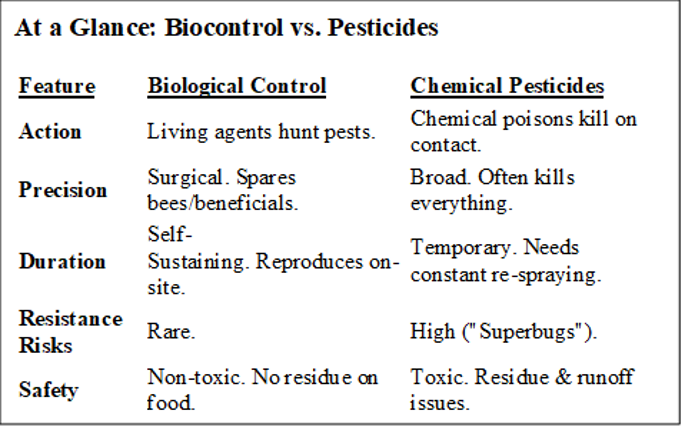
For years, the standard response to a pest infestation was a “scorched earth” policy. If a pest was killing your trees, you sprayed a chemical cocktail to kill it—and, inadvertently, everything else in the vicinity.
But as our environmental awareness grew and chemical resistance turned “superbugs” into a reality, things changed. Looking for a more surgical solution, homeowners, scientists, and farmers began turning to nature’s “hired guns”: biological control.
What’s biological control? Biological control, or biocontrol, is the practice of using living organisms—predators, parasites, and pathogens—to manage pest populations. It’s not a new concept. In fact, it’s rather old.
Chinese citrus growers used predatory ants to defend their trees against caterpillars as early as 324 BC. Over the years, biocontrol has gained popularity, especially in tree care. Today, it’s a cornerstone of sustainable agriculture and tree care, proven time and time again.
Benefits of Biocontrol
For long-lived organisms like trees—whether in a vast forest or a suburban backyard—this approach provides unique advantages that chemical treatments can’t match:
- Long-term, self-sustaining protection
- Surgical precision (target specificity)
- High return on investment
- Reach the unreachable pests.
- Environmental and public health safety
In urban areas and parks, chemical drift poses a significant liability. Biological control removes the risk of toxic exposure to humans, pets, and local water tables. Below, we take a look at three key players in biocontrol.
Predators: Free-Living Hunters
Predators are the front-line combatants in this battle. These are the insect world’s generalists, actively hunting and consuming prey. Predators don’t just kill; they establish a presence. In a healthy ecosystem, a resident population of predators acts as a permanent security detail, keeping pest numbers below the “economic threshold” where they cause significant damage.
Two critical predators are:
- Ladybugs (Coccinellidae): Perhaps the most famous biocontrol agent, a single ladybug can consume up to 5,000 aphids in its lifetime. They are the “infantry” of the garden, providing a visible and effective defense against soft-bodied pests.
- Green Lacewings: Often called “aphid lions” in their larval stage, these voracious hunters use hooked mandibles to seize prey and inject paralyzing venom.
Other predators critical in this battle include ground beetles (Carabids), mealybug destroyers, rove beetles, minute pirate bugs, and hoverfly larvae (Syrphids).
Parasitoids: Surgical Strikes
If predators are the infantry, parasitoids are their special forces. Most parasitoids are tiny wasps or flies that have a more gruesome, yet highly effective, method of operation. A female parasitoid wasp, such as the Trichogramma, will locate a host (often a caterpillar or an egg) and use a needle-like organ called an ovipositor to inject its own eggs inside the victim.
As the wasp larvae hatch, they consume the host from the inside out, eventually emerging as adults to repeat the cycle. This method is targeted. Unlike broad-spectrum pesticides, for example, a specific wasp species usually targets only one pest, leaving bees, butterflies, and other beneficial insects unharmed.
Pathogens: Microscopic Hitmen
The smallest hired guns are invisible to the naked eye. These are the bacteria, fungi, and viruses known as microbial biocontrol agents. The most famous of these is Bacillus thuringiensis, or Bt. This naturally occurring soil bacterium produces proteins toxic to specific insect larvae. When a caterpillar eats a leaf treated with Bt, the protein binds to its gut lining, causing it to stop feeding and die within days.
Other microscopic agents include:
- Entomopathogenic Fungi: Species like Beauveria bassiana act like a “living mold” that grows through the insect’s exoskeleton, eventually mummifying the pest.
- Nematodes: Microscopic roundworms that hunt soil-dwelling pests like grubs, entering their bodies and releasing lethal bacteria.
Biocontrol: Successes and Failures
The history of biocontrol is a tale of spectacular wins and cautionary disasters:
- The Prickly Pear Victory
In the early 1900s, the Prickly Pear cactus (an invasive species) overran 60 million acres of Australian land. The solution? Introducing the Cactoblastis moth from South America. Its larvae bored into the cacti so efficiently that, within a decade, the “Green Desert” was reclaimed for agriculture. It remains one of the greatest successes in ecological history.
- The Cane Toad Disaster
Conversely, the 1935 introduction of the Cane Toad to Australia to control cane beetles is the ultimate warning against “unhinged” biocontrol. The toads didn’t eat the beetles (which lived high on the stalks), but they did eat almost everything else. Lacking natural predators and being highly toxic, they became a massive invasive threat themselves.
What’s the takeaway here? Modern biocontrol requires years of rigorous quarantine and host-specificity testing before a new agent is ever released into the wild.
The Future of the “Hired Gun”
As we approach 2030, the demand for “pesticide-free” and “residue-free” food is fueling a boom in the biocontrol industry. We are transitioning from a philosophy of eradication to one of management, with maintaining a balance as a primary goal. By using nature’s hired guns, we’re not just protecting trees and crops; we’re restoring the intricate web of checks and balances that kept the world green long before the first chemical factory was built.
Educational materials on biological control are widely accessible through agricultural extension services and conservation organizations, such as RI Tree. These materials— ranging from “Quick Tips” for home gardeners to technical guides for farmers and more—are often called “Field Guides” or “Pest Notes.”
Revolutionize Your Landscaping: 7 Proven Pest Management Strategies
Are you looking to protect your trees from pests and diseases? Trees and plants often become weak due to factors such as climate change, drought, or poor soil conditions. This vulnerability enables secondary invaders, like the Emerald Ash Borer or Asian Longhorned Beetle, to thrive. Additional hurdles in controlling pest populations include difficulties in identifying specific pests or diseases, the rapid spread of intruders, the decreasing effectiveness of chemical treatments, and the high costs of specialized or systemic solutions.
Combating tree and plant pests, however, is no picnic. Integrated Pest Management (IPM) is a sustainable approach to pest control that makes sense. IPM isn’t just about eliminating pests. Based on scientific evidence and environmental considerations, this strategy utilizes a combination of biological, cultural, physical, and chemical methods to reduce pest risks. By emphasizing prevention, monitoring, and applying control measures, when necessary, IPM offers significant benefits that can protect your trees and revitalize your landscape.
Multifaceted Benefits for Urban Landscapes
IPM is proactive and effective. It’s used in cities, parks, street trees, public gardens, school grounds, and residential properties, offering a unique set of advantages. The urban landscape is a complex ecosystem where human activity and natural processes frequently intersect. IPM’s main strength is its ability to minimize disruption to this delicate balance.
1. Reduces chemical load dramatically
Using pesticides carefully is IPM’s key environmental benefit, especially in areas with high population density, where the risks from chemical runoff and drift can be significant. IPM emphasizes cultural controls like proper watering, pruning, and improving soil health, along with physical controls like hand removal or traps. This means fewer synthetic chemicals contaminate the soil, air, and storm drains.
2. Preservation of urban biodiversity and pollinators
Broad-spectrum pesticides, often used in traditional pest control, kill both harmful pests and beneficial organisms. In contrast, IPM protects and encourages these natural enemies—such as ladybugs, lacewings, and predatory wasps—along with pollinators. IPM creates a self-regulating ecosystem where natural predators control pest populations. By targeting specific pests only when treatment is needed, using spot treatments or highly selective materials, IPM ensures that pollinators can survive.
3. Enhanced tree and plant resilience
The key principle of IPM is prevention through promoting host health. Urban plants, particularly trees, face constant stress from compacted soil, limited root space, air pollution, and changing microclimates. Stressed plants are more vulnerable to pests and diseases. IPM practices proactive Plant Health Care (PHC) by emphasizing proper species selection for the area, improving soil through mulching and fertilizing, and ensuring correct pruning. IPM provides considerable benefits by reducing human exposure to harmful materials while managing health-related pests.
4. Safety in sensitive environments
IPM is the best choice for pest management in public and sensitive urban areas, including schools, playgrounds, hospitals, and parks. By prioritizing non-chemical methods like sealing cracks to keep pests out, ensuring cleanliness, and trapping, IPM helps keep these places safe for children, pets, and vulnerable populations. Preventing pesticide drift is crucial for protecting children, who are more sensitive to the potential effects of pesticide exposure.
5. Effective management of public health pests
While IPM is commonly linked to plants, it is also very effective against urban pests that pose direct health risks to humans, such as rodents, cockroaches, and mosquitoes. Strategies for these pests could involve improving sanitation, properly storing trash, and eliminating standing water for mosquitoes. This approach not only cuts down pest populations but also takes care of the root causes of problems, leading to lasting control and a decrease in allergens and disease carriers.
- Increased public trust and transparency
IPM is transparent and based on science. Municipalities and property managers that adopt IPM show their dedication to environmental stewardship and public safety. By monitoring pest populations and only treating when they exceed a specific “Action Threshold,” IPM practitioners can back up their actions with data. This helps ease public concern about unnecessary or harmful chemical use. This data-driven method builds community support for urban greening initiatives and park management. - Long-term cost savings
While monitoring and cultural practices need specialized labor, IPM often results in significant long-term cost savings:
• Fewer chemical purchases: A reduced reliance on synthetic pesticides lowers costs for maintaining chemical inventory.
• Reduced labor for re-treatment: IPM focuses on the root causes of infestations. Since it helps prevent pesticide resistance in pests, there is less need for repeated, costly chemical applications.
• Asset protection: By keeping high-value urban assets like mature street trees and specialty garden plantings healthy, IPM helps avoid the much higher costs of removing and replacing dead or heavily damaged plants.
The initial belief that IPM is more expensive is often overturned by its long-term cost-effectiveness and role in promoting economic stability. Integrated Pest Management (IPM) applies well to fruit trees, using various methods such as monitoring, cultural controls, and selective sprays to manage pests and reduce risks sustainably.
Defend Your Trees: Master this Seven-Step Guide to Spotted Lanternfly Removal
The spotted lanternfly (Lycorma delicatula) is highly invasive. It feeds on plant sap and excretes a sugary substance called “honeydew,” which promotes sooty mold growth on plants, reduces photosynthesis, and weakens the plants. Spotted lanternflies don’t fly; they hitch rides on buses, cars, and other objects, which helps their spread. While they don’t hurt humans, they seriously threaten agriculture, including crops, trees, orchards, and vineyards. A recent study in Pennsylvania estimates that crop losses from this pest amount to about $50 million yearly.
Spotted lanternflies are mainly found in the north-central part of Rhode Island, but that’s changing. Evidence shows these pests are spreading throughout the entire state. Currently, RI DEM is focused on new infestations in the state, such as the recent discovery in Barrington. RI DEM is also working to limit the spread of lanternflies in the state’s agricultural areas, where these sap-sucking pests can damage crops. While RI DEM works hard to control this pest, homeowners can play a crucial role in slowing their spread.
Here are seven steps you can take to help:
1. Destroy egg masses
Destroying the spotted lanternfly’s eggs is among the most effective ways to stop its spread. The females lay their eggs in clusters that look like light gray or brownish mud patches on nearly any hard surface, including trees, rocks, outdoor furniture, vehicles, and fences. The egg-laying season runs from September to December, with eggs hatching in late spring. So, inspect your trees regularly to look for these masses. Then scrape them into a container filled with rubbing alcohol or hand sanitizer to ensure the eggs are killed.
2. Use sticky bands on trees (with caution)
Another effective way to stop these pests from spreading is to put sticky bands around tree trunks. The sticky surface traps newborns from climbing the tree and reaching the upper canopy. However, use sticky bands carefully. They can also trap and harm other beneficial insects, birds, and small animals. So, use a narrower band, or more importantly, create a guard around the sticky surface using something like chicken wire or window screening to trap the lanternfly newborns. Check the bands regularly for bycatch and replace them as they become full.
3. Remove “Tree-of-Heaven”
The “tree-of-heaven” (Ailanthus altissima) is the primary host of the Spotted Lanternfly. While the lanternfly feeds on over 100 plant species, it thrives when this tree is present. Removing it from your property is an effective long-term management strategy. But simply cutting the tree down isn’t enough. The stump can re-sprout and grow stronger. Instead, use the “hack-and-squirt” technique to kill the tree. It applies a targeted herbicide directly to the tree’s vascular system. When done right, this technique kills the tree completely.

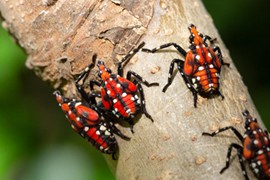
The important life stages of the Spotted Lanternfly: eggs, wingless nymphs and the adult with wings for flight.
5. Check vehicles and outdoor equipment
Spotted lanternflies are excellent “hitchhikers.” They do not travel great distances on their own, but they are very adept at latching onto vehicles and other objects. Inspect your vehicle or any outdoor things you take before traveling, especially if you live in or are leaving a known infested area. If you are moving firewood, outdoor furniture, grills, or any other equipment, thoroughly inspect both adult lanternflies and their egg masses. By taking a few moments to check for hitchhikers, you can prevent the unintentional spread of this invasive pest to new areas.
6. Use insecticides responsibly
Insecticides may be necessary if there’s a sudden infestation. You have several options for insecticides, including contact sprays and systemic treatments. Sprays kill insects on contact and can help effectively manage visible populations. Use insecticides responsibly and follow all label instructions. Systematic treatments to a specific tree or area are best applied by a professional. Consider the environmental impact and potential harm to non-target species before applying any chemical treatment.
7. Stay informed and report sightings
The fight against the spotted lanternfly is ongoing, and the best practices for management are constantly being refined. It’s critical to stay informed about the latest recommendations from your state’s agricultural extension office or department of agriculture. These resources provide up-to-date information on identification, management, and the current boundaries of the quarantine zones. You can always check the RI Tree for the latest news on the lanternflies or this RI DEM website.
Latest Update on Beech Leaf Disease in New England
Beech trees are a keystone species in many ecosystems. Their fruit – the beechnut – is a food source for many animals, including squirrels, deer, birds, and bears. Their canopies shelter animals and provide nesting sites for birds. Their wood is solid and hard with a beautiful grain. Beeches are also famous for their fall foliage and smooth bark. Plus, they have some cultural significance. Ancient people used their bark as paper.
But beeches are under attack now from Beech Leaf Disease (BLD), a deadly disorder that threatens native American beeches and ornamental European beeches. Researchers first detected BLD in Ohio in 2012. It then spread to other states and Canada. It’s now in 12 U.S. states and several Canadian provinces. Researchers found BLD in CT in 2019 and RI and MA in 2020. BLD is especially deadly to young beech trees and the ecosystems they support.
What is Beech Leaf Disease?
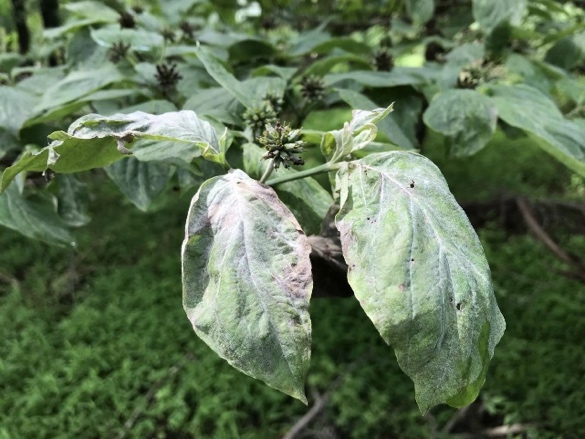
Nematodes cause BLD. These microscopic worms (Litylenchus crenatae mccannii) spend the winter in beech buds and beech leaves and emerge in the spring, showing damage to the tree. Infected leaves have dark brown bands between leaf veins or are crinkled, smaller, and leathery than typical beech leaves. Symptoms are more noticeable on North American beeches than on European beeches.
Some beech buds won’t open on heavily infected trees. Severely damaged leaves will fall off soon after emerging in May. New leaves may appear in June in new buds and won’t show signs of the disease, but they will be paler and weaker than typical healthy leaves. Wind plays a big role in spreading the disease. So does the movement of infected plant material like firewood or nursery stock. BLD can spread fast in a forest
Impact of Beech Leaf Disease
Researchers are seeing beeches die within 6-12 years of infection. In Southern New England, beeches often die within a few years of infection. The disease’s effects on trees are critical. Like many tree diseases, BLD reduces photosynthesis and growth and increases susceptibility to other pests and diseases that can kill trees. BLD also causes loss of biodiversity and alteration of the forest ecosystem. Plus, it impacts the timber industry and tourism.
Researchers are working on management solutions for BLD. But there isn’t a cost-effective solution for forested environments yet. There are no effective fungicides for BLD, and treating large mature trees is difficult. Management options are limited but include the following:
- Early detection and removal of infected trees
- Development of resistant beech tree varieties
- Biological control agents
- Public awareness and education campaigns
In 2017, Ohio researchers had some success managing the disease by treating the soil around small beech trees (about 2-4 inches deep) with a phosphite product called PolyPhosphite 30. Phosphite products are known to stimulate a plant’s defenses.
The researchers treated the trees twice a month with the product about a month apart. The trees were much better after five years than the untreated control trees. They also found fewer nematodes on treated trees than on control trees. We hope to see similar results in New England.
How to Treat Beech Trees
Phosphite products for BLD are available to homeowners. Look for a product that is designed for BLD treatment. Agri-Fos and ProPhyt are good options for BLD. These products are in liquid form. Below are the seven steps to treating a BLD outbreak using a phosphite-based product and a soil drench approach:
1. Measure the tree’s diameter at breast height—about 4.5 feet high
2. Follow the product’s label instructions for dosage
3. Mix the product with water according to the label
4. Clear the area around the tree’s base of debris and leaf litter.
5. Slowly pour the diluted phosphite solution into the soil.
6. Let the solution soak into the root zone.
7. Water the soil after application to help the solution penetrate deeper
Treat BLD in early spring before new growth begins. You may need to treat the area again later in the growing season. Depending on the disease’s severity and dosage instruction, you may need to treat the soil again.
You can also use a soil injection method to treat BLD. However, you need special equipment to inject phosphite into the soil around the root zone. Follow the manufacturer’s instructions for injection depth and spacing.
If you still have questions about BLD or its treatment, contact an arborist or RITree.
How to Prevent Fungal Diseases in Your Plants: 5 Tips
Fungal diseases can devastate trees and plants. They can cause cankers, leaf diseases, and root rot. Factors affecting the impact of fungal diseases include tree and plant health, environmental conditions, and the type of fungal species.
Different fungal species have varying levels of aggressiveness and target specific parts of a tree. Pruning infected branches or removing infected leaves can help contain the spread of these diseases, but eliminating these diseases is still a challenge.
Prevention is the best way to eliminate fungal diseases. Choose plant and tree varieties resistant to common fungal diseases in your region. Below are some additional measures to help prevent fungal diseases from attacking your plants.
- Use proper planting techniques: Spacing is critical for fungal diseases. It allows for good air circulation and prevents overcrowding, which can favor fungal growth by creating a humid environment.
- Watering practices: Water deeply and infrequently, aiming for the base of the plant or tree rather than overhead watering.
- Mulching: Spreading a layer of mulch around the base of your plants and trees will help you retain moisture in the soil, which is critical. Mulch also prevents excessive dampness near the stem, creating a less hospitable environment for fungi.
- Sanitation is critical in preventing the spread of fungal diseases. Remove and dispose of diseased plant material promptly. Also, clean and disinfect pruning tools regularly to prevent the spreading of fungal diseases between plants.
- Promote plant health: Use balanced fertilization to give your trees and plants the nutrients to thrive. Healthy plants are more resilient and better able to resist fungal infections.
The five steps above can help create a healthier and more hospitable environment for plants and trees while preventing fungal diseases. By learning about these diseases, taking the proper countermeasures, and treating the diseases when they first appear, you can significantly lessen a fungi’s impact.
Using Natural Methods to Prevent Tree Diseases Protects People, Pets, and the Environment
Trees are susceptible to diseases that can stunt their growth, ruin their appearance, and even lead to their demise. But using pesticides and fungicides on plants creates risks that can impact people’s health, their pets, the environment, and even the plants themselves. Water contamination, soil damage, and phytotoxicity are three examples of risks that pesticides and fungicides pose.
Fortunately, numerous natural methods exist that you can use to bolster your tree’s defenses and create a thriving, disease-resistant plant or tree. Natural methods can prevent and control plant diseases without chemicals. These methods include promoting good tree health, using natural sprays and treatments, selecting and planting trees, and monitoring and early detection.
Below, we discuss the benefits of using natural methods for plant disease prevention, provide ideas for preventing plant diseases, and review several natural methods for keeping plants healthy and vibrant
Benefits of Natural Methods
There are numerous benefits to using natural methods to prevent plant diseases compared to conventional pesticides and fungicides. These include:
- Safer for the environment: Natural methods typically rely on organic materials and avoid harsh chemicals. They can protect beneficial insects, pollinators, and wildlife in your garden.
- Better for people and pets: Many conventional pesticides can harm you and your pets if not handled properly. Natural methods generally pose less of a health risk.
- Reduced risk of resistance: Over time, overuse of conventional pesticides can lead to pests and diseases developing resistance. Natural methods help avoid this problem.
- Promotes a healthy ecosystem: By encouraging beneficial insects and microbes in your garden, natural methods create a more balanced ecosystem that can help regulate pest populations naturally.
- Cost-Effective: Many natural methods utilize readily available materials or require minimal investment, making them a budget-friendly option for treating plants.
If you’re a gardener, natural disease prevention methods can help you maintain a healthy, certified organic garden.
Natural methods, however, come with drawbacks. For example, they can take time to implement. The long-term benefits of using natural methods, however, far outweigh their drawbacks.
Examples of Natural Methods
Using natural methods to prevent tree diseases is as effective as using them in gardens. Let’s take a look at some of these methods:
- Make sure you have the right tree in the right place. Choose trees suited to your climate and soil conditions. Stressed trees are more vulnerable to disease.
- Water your trees deeply and infrequently. Allow the soil to dry slightly between watering. But be careful when watering plants and trees. Overwatering can encourage root rot.
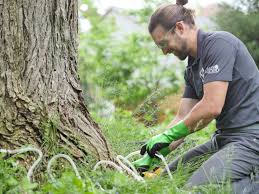
- Prune regularly to help trees grow. Remove diseased branches, improve air circulation, and encourage healthy growth. Spreading organic mulch around a tree’s base retains moisture, suppresses weeds, and regulates soil temperature.
- Natural spray treatments are just as effective as conventional methods. Neem oil, for example, works well against various fungal diseases and insect pests that can harm trees. Introducing natural predators, like ladybugs, lacewings, and predatory mites, in your yard is also effective.
- Tree selection and planting are also critical. When planting new trees, opt for varieties known for their resistance to common diseases in your area. Local nurseries can advise you. Planting various tree species helps create a more balanced ecosystem less susceptible to widespread disease outbreaks.
- You should also regularly inspect your trees for signs of disease. Early detection is critical to successful disease treatment. Typical signs of disease include discolored leaves, tree wilting, or unusual growths. Amending the soil around your tree with compost or other organic matter can improve tree health and disease resistance.
Trees themselves have built-in defense mechanisms against diseases. They can produce chemical compounds that deter insects and fungi or compartmentalize infected areas to prevent the spread of disease.
Prevention is Critical to Tree Health
Preventing diseases in trees is critical to having robust, healthy trees. But your plants may contract diseases despite your best efforts. Natural methods of treating diseases protect people, pets, and the environment. The methods include promoting good tree health, using natural sprays and treatments, selecting and planting suitable trees, and monitoring and early detection. Natural methods can help you keep trees healthy and resistant.
Treating plant diseases, however, can be challenging. Some diseases can resist your best efforts despite much work and cost, no matter how you treat them, which can frustrate you. If you’re getting nowhere treating a diseased plant, contact RI Tree. Our experts can help you diagnose plant diseases and recommend the best way to treat them effectively. They’ll also help you create a plan to care for your plants or trees.
DEM Warns of Invasive Insects Set to Appear This Spring
The Rhode Island Department of Environmental Management is warning RI residents to remain vigilant for two invasive species as their lifecycles progress and they emerge this spring. The spotted lanternfly (SLF) and the winter moth are two plant pests threatening Rhode Island’s agriculture and forest. These threats remain the focus of DEM’s Division of Agriculture and Forest Environment‘s Cooperative Agricultural Pest Survey (CAPS) and Forest Health Program.
One pest is the spotted lanternfly, which can cause significant damage to crops and native trees. The SLF threatens many fruit crops, such as apples, apricots, cherries, grapes, hops, nectarines, peaches, and plums, as well as native maple, oak, pine, poplar, sycamore, walnut, and willow trees. DEM officials note the lanternfly is an “excellent hitchhiker” spread through human movement.”
Lanternfly adults lay masses of 30 or more eggs on surfaces ranging from tree trunks to patio furniture. These egg masses are typically 1.5 inches long, grayish-brown, and resemble clay. DEM started spraying for SLFs in Rhode Island in 2022. DEM and its partners will continue targeted treatments of trees and bushes infested with SLF as they try to limit the spread of this invasive pest.
Winter moths are an invasive defoliator from Europe. First detected in New England in the early 2000s, the caterpillars of winter moths feed on the leaves of deciduous trees in early spring after larval hatch. Winter moth caterpillars are lime green with creamy-yellow stripes running lengthwise along each side of the body. Preferred hosts include maple, oak, birch, apple, and blueberry. Young larvae feed within their hosts’ leaf and flower buds and are often difficult to spot at this stage. Caterpillar frass (insect droppings) are often easier to observe than the actual caterpillars.
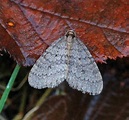
While the increased winter moth activity during the past autumn has generated increased public interest, the winter moth’s defoliation effort isn’t nearly as damaging or widespread as spongy moths, formerly known as gypsy moths. That’s because winter moths do not completely strip leaves. They only cause tree mortality if defoliation is repeated year after year. DEM initiated a successful biological program in 2005 to control winter moths with the specialist parasitic fly Cyzenis albicans.
For more information on the spotted lanternfly and the winter moth, see RI Tree’s Pest to Watch page on its website.
Five More Pests to Keep an Eye On

Figure 1: Beech leaf disease
Beech leaf disease is ravaging our forests. A recent article in the Providence Journal by Alex Kuffner describes just how bad an impact BLM is having on R.I. forests. First detected in Ohio in 2012, this plant disease is relentless. It interferes with chlorophyll production and starves beech trees to death.
The beach tree is a “foundational species” in New England forests. It produces a high-fat nut for black bears and other animals to eat, a place where woodpeckers can forage, and homes for
animals to nest and raise their young. A beech tree can live up to 400 years.
BLM is invisible to the naked eye. The only way to spot the plant disease, says Kuffner, is to cut the leaves open and then wet the area. Thousands of nematodes (worms) will exit the leaf. The nematodes winter over in the beech’s long, cigar-shaped buds and attack leaves as they emerge in the spring.
That effort interrupts the leaves’ ability to photosynthesize and produce food. No known cure for this disease exists. But research projects are underway to combat it. One problem confronting research scientists in this area is the lack of funds that could help tackle the issue.
Below are four other plant pests Rhode Islanders need to be alert to:
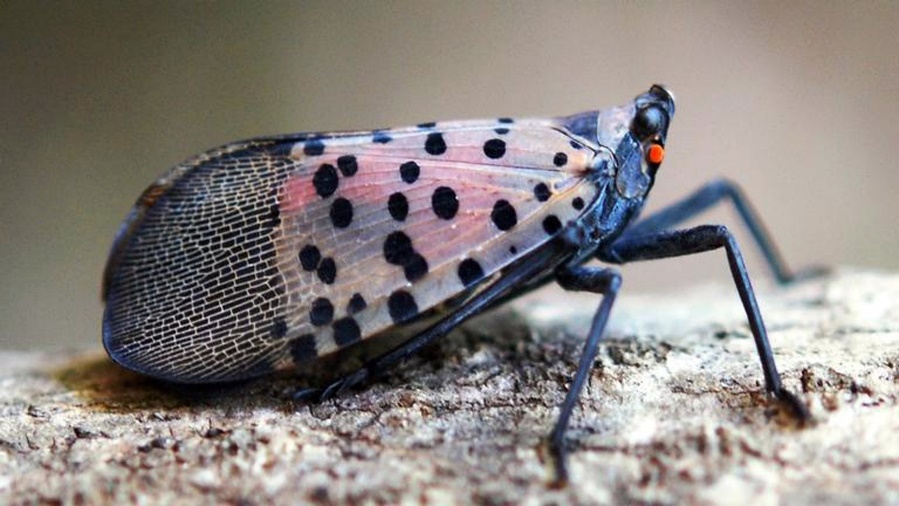
- Spotted lantern fly — This pest attacks plants and trees. The adult fly features spotted patterning, scarlet underwings, and yellow markings on the abdomen. It also has semi-transparent forewings. Adults are an inch or so long and active from August until the first late hard freeze, which occurs around late October into November. While the SLF can survive independently, it mainly spreads through human movement. The SLF was first detected in Pennsylvania in 2014
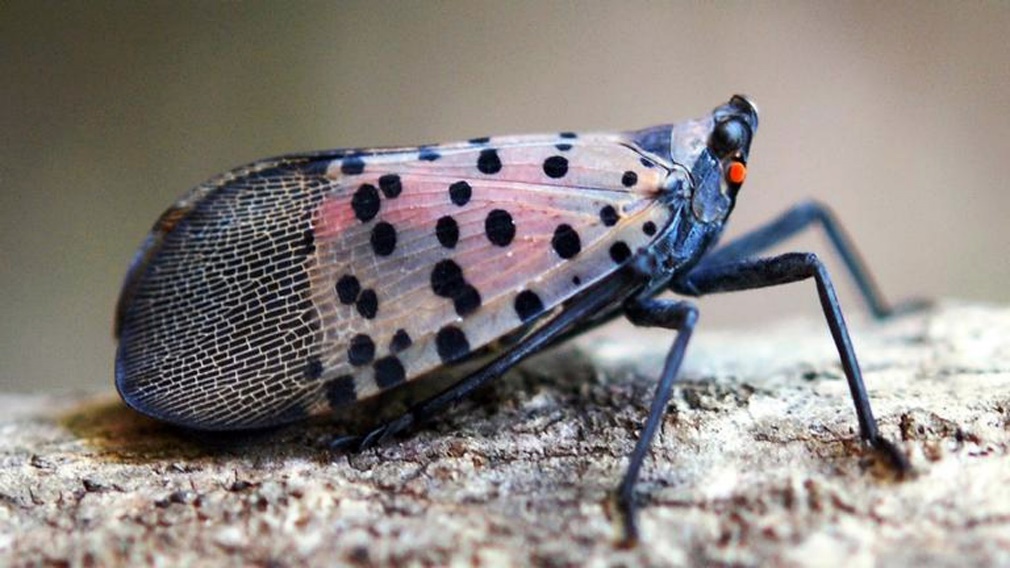
SLF is invasive. It lays its inconspicuous egg masses on pallets, vehicles, and other goods. So, inspect any shipping materials you get and abide by travel restrictions when moving through areas quarantined for the SLF. If you go to states with SLF, check your gear and equipment thoroughly before leaving and scrape off any egg masses. If you spot one in RI, take a photo, squash the insect, and then make a report to RI DEM’s agricultural pest alerts website.

Emerald ash borer
- Emerald ash borer beetle — EAB attacks American ash trees. Responsible for destroying millions of ashes in 30+ states, EAB is native to Asia. It arrived in the U.S. hidden in wood crates and wood packing materials. Scientists first identified the EMB in southern Michigan in 2002. Since then, it has spread throughout the country. While no cure exists for EMB, several treatment options are available for controlling EMB’s spread. Since pesticide regulations differ from state to state, homeowners should contact their state department of agriculture for the best option in their state.

Asian longhorned beetle
- Asian longhorned beetle — This pest threatens hardwood trees. It can cause more damage than Dutch elm disease, gypsy moths, and chestnut blight combined. No cure exists for ALB, so early identification and eradication are critical. It infests New England, New York, and Ohio areas, threatening recreation and forest resources valued at billions. It’s destroyed millions of acres of this country’s hardwoods in national forests and backyard trees. These pests live in firewood, solid wood packing material, branches, logs, stumps, and wood debris and trimmings.
Box tree moth
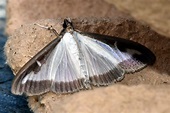
- Box tree moth — BTM is invasive. Thriving on boxwood trees as caterpillars, it originated in Asia, migrated to Europe, and now threatens the U.S. It was first spotted in North America in Canada in 2018. It decimates both wild and ornamental boxwoods. BTM caterpillars feed on the underside of leaves, giving them a “peeled” appearance from the top.
Mature caterpillars eat the whole leaf but not the midrib. It can lead to complete defoliation. BTM can web together leaves and construct silken retreats. BTM eggs appear pale yellow and aid in groups of 5 -20, overlapping like shingles. If the infestation is small, hand-picking the caterpillars and disposing of them in soapy water is effective. You can also knock them off with a strong jet of water, which eventually kills the pest.
Additional threats to R.I. forests include winter moth, Lymantria dispar (formerly known as gypsy moth), Southern pine beetle, oak gall wasps, and hemlock woolly adelgid.
If you spot one of these pests or think you’ve seen a pest not native to Rhode Island, let DEM know as soon as possible.
Five Pests You Need to Watch this Summer
Spring is a great time of the year. With life emerging from its long winter sleep, it’s among nature’s most active seasons. But spring is also a time when plant pests emerge. These pests can ravage your trees and kill them. Basically, you can divide tree pests into three broad categories—sap-sucking insects, wood borers, and defoliators.
Pests invade trees when they’re under great stress. Pests introduced from outside their native range can severely impact crops and natural tree populations, generating billions of dollars of economic and ecological damage. However, what insects you’ll need to watch out for this summer depends on your location.
Tree pests cause tremendous to natural and managed land annually. Most tree damage is caused by 20-22 common insect pests. These pests can devastate a tree if left untreated and cause extensive economic damage by destroying landscape trees that has to be removed and replaced. The impacts of pests are often made worse by climate change, which may allow additional pest life cycles per annum.
Not all pests are deadly, however. Some play critical roles in natural and managed systems, contributing to carbon cycling and forest regeneration. They may even contribute to shaping patterns of global tree diversity. Below are five pests to look out for and descriptions of telltale signs that they have invaded your trees:
1. Arborvitae leafminer
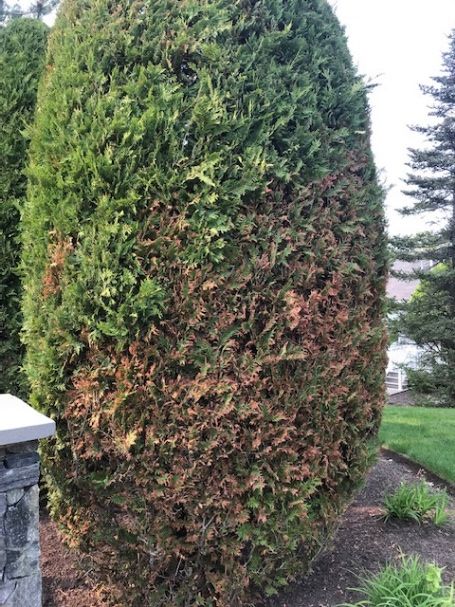
If you see brown foliage now on your “Green Giant” and “Emerald Green” cultivars, it’s a sign that these pests are feeding on your plant’s leaves. This leafminer pest is a small caterpillar, green or brownish, with a dark head and a spot just behind its head. Mature caterpillars generally appear between April and June. While this pest likes all arborvitae varieties, they prefer American pyramidal, globe, and golden arborvitae.
2. Cedar Rust
Cedar apple “rust” can affect the health and vigor of your apple trees by causing early defoliation and reducing fruit quality. They present as orange gelatinous spheres and indicate the presence of fungal spores from the Gymnosporangium family, which can later infect Malus species. Cedar rust is especially harmful to Junipers. Severe infections of this disease, which first appear on leaves as small greenish spots and then gradually enlarge and change color, can kill a tree.

3. Holly Leafminer
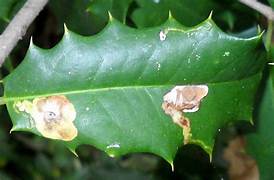
As the name suggests, it feeds on English, American, and Japanese hollies. If you see tiny green blisters on a lower leaf’s surface, chances are good the female of this pest has laid eggs there. The Holly leafminer “causes the presence of yellow, brown, or reddish mines on the leaves. In the beginning, the mines are narrow and winding. But they then become large blotches as the larvae overwinter in the leaf. The upper and lower surfaces of leaves remain after feeding and are easily separated. Larvae are yellowish and about 1/16″ long. The adult is a small black fly.
4. Boxwood Leafminer/Blight
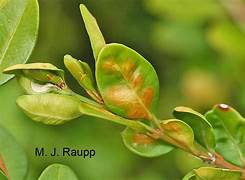
These pests are among the most destructive—and deadly— of the boxwood insect pests. The larvae feed on the tissue between the leaves’ outer surfaces, producing blotch-shaped mines in the boxwood leaves. Circular leaf lesions are a crucial symptom of boxwood blight, as are leaf yellowing and leafminer injury blistering. Infested leaves appear blistered from late summer through the following spring. New leaves, however, don’t show signs of mining until deep into summer, when the larvae are larger. Premature leaf drops may result from heavy infestation by fall or early spring.

5. Pine Needle Blight
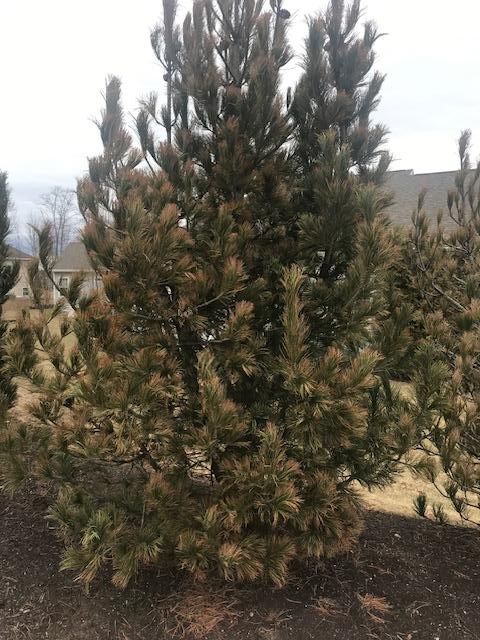
A common fungal disease among pines, especially mugho and Japanese white pines, pine needle blight attacks pine needles, causing spots, blights, and premature defoliation. Initially, spots emerge in summer or late fall. It’s a group of diseases. Cyclaneusma needle cast symptoms appear as light green to yellow spots on infected 2-year-old or older pine needles. Dothistroma needle blight causes yellow to tan spots in the fall. Lophodermium needle cast appears in late fall to early spring. It presents as brown spots with yellow margins on young needles. Brown bands form later.
These five pests are common in the Northeast. But don’t panic if you see one or more of them on a tree’s leaves or something foreign on its bark. Instead, get to work diagnosing the problem and deciding on the best treatment for the pest. Treatment for these pests, however, varies. So, if you need help treating them, contact the RI Tree Council as soon as possible. We’ll help you eliminate these pests and boost your tree’s health.
John Campanini is technical director of the Rhode Island Tree Council (RITree). A graduate of the University of Rhode Island, he was city forester for Providence for more than twenty years before retiring.