
Unlock Juicier Harvests: Master 6 Simple Fruit Tree Pruning Secrets!
by John Campanini, Technical Director, RI Tree
The best time to prune trees is when they’re dormant. That’s typically in late fall, winter, or early spring (before new growth begins). These times are ideal for pruning because trees are resting. This minimizes tree stress and sets the stage for vigorous growth during the season.
Pruning mature shade trees is straightforward. If you have fruit trees, however, pruning goals and techniques differ from those for mature shade trees. Pruning fruit trees isn’t just about keeping them healthy; it’s a powerful management tool ensuring a consistent, high-quality, easy-to-harvest crop.
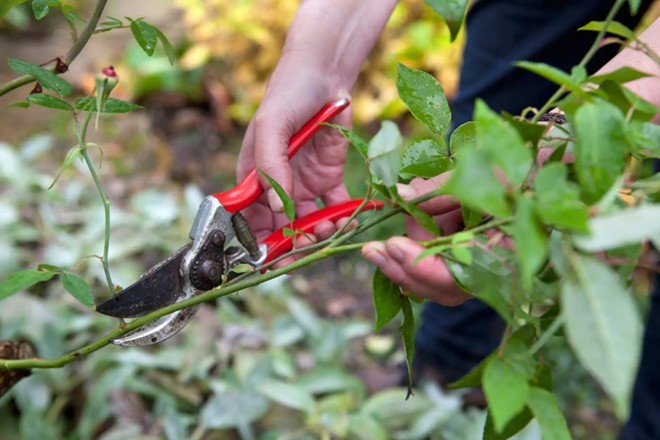
Prune During Dormant Seasons
Pruning fruit trees, especially during the dormant season, is a critical yearly practice with three crucial objectives:
• Maximize fruit production and quality
• Improve light and air flow
• Maintain structural integrity and the tree’s lifespan.
Pruning removes excess flower buds and branches that could produce fruit. By reducing the amount of fruit the tree produces, the remaining fruit can access more of the tree’s stored energy and nutrients, resulting in larger, better-tasting, and more uniform fruit.
Pome Fruit Pruning versus Stone Fruit Pruning
Pome fruit trees (apples, pears) produce fruit on spurs—short, permanent structures on wood two years or older. Pruning focuses on training a central leader to encourage sunlight penetration and preserve these long-lived spurs.
Stone fruit trees (peaches, plums) produce fruit on mostly one-year-old wood. Pruning must stimulate vigorous new growth annually and maintain an open vase shape. This approach delivers maximum sun into the tree’s center and all new branches.
Essential Fruit Tree Pruning Tips
Here are six essential hacks for pruning your fruit trees in winter:
- Master the timing: late winter is best
Prune when the tree is fully dormant, after all the leaves have fallen but before the buds start to swell. This task is typically performed in winter, from December to March, in most temperate regions. Pruning cuts made too early in winter can be vulnerable to frost damage.
Cutting closer to spring allows the wound to heal almost immediately when the tree breaks dormancy, reducing the chance of disease. Always prune on sunny, dry days. Moisture can help spread disease pathogens into the fresh cuts. - Start with branches
Eliminate problem branches first. This step gives you a clearer view of the remaining structure: Remove any wood that’s clearly dead, shows signs of disease (like cankers), or is broken. This cut is crucial for tree health.
Prune branches growing straight up, known as “water sprouts” (they rarely bear fruit), or any branches growing inward toward the tree’s center. They can overcrowd the canopy. You should also prune branches that cross over or rub against each other, which can create wounds that serve as easy entry points for pests and diseases. - Open the canopy for sunlight and air
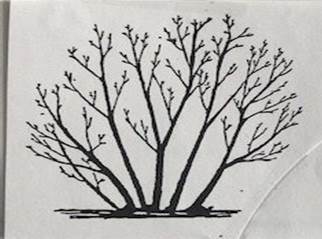
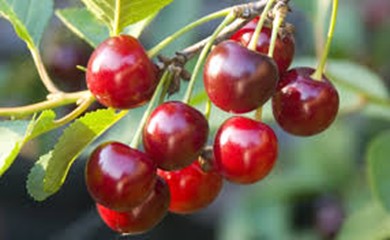
The main goal of winter pruning is to create an open structure that lets sunlight and air reach inside the tree. Form a “vase” or Christmas tree shape for peach, plum, and cherry trees by removing the central upright leader to develop an open bowl shape.
On the other hand, creating a central leader is critical for apple and pear trees. Maintain a main vertical trunk (leader), but ensure upper branches are shorter than lower branches to create a pyramid or Christmas tree shape that prevents shading. - Use correct cutting techniques
Making proper cuts ensures the tree heals quickly. When removing an entire branch, cut just outside the branch’s collar (the slightly swollen ring of bark tissue at the branch’s base). It contains the specialized cells the tree uses to seal the wound. Don’t leave a stub or cut flush to the trunk. When shortening a branch, cut just above an outward-facing bud. This cut directs the new growth away from the tree’s center, helping to open the canopy.
- Prune to control vigor
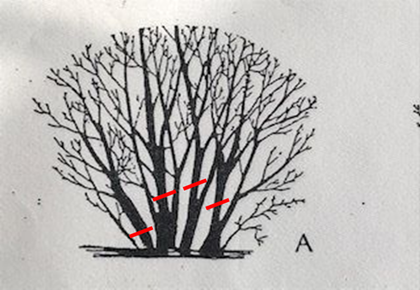
Heavy winter pruning encourages vigorous new growth in spring. If your tree is healthy and growing quickly, limit cuts to 10-20% of the wood. If the tree is older and has minimal new growth, a more severe prune (up to 30-50% for stone fruits) can promote the growth of new, productive fruiting wood. As a general rule, however, never remove more than one-third (33%) of the tree’s overall canopy in a year to prevent severe stress. - Use Sharp, Clean Tools
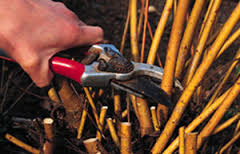
Sterilize your tools before starting and between trees. Clean your hand pruners, loppers, and pruning saws with diluted bleach or rubbing alcohol to prevent the spread of pathogens between trees. Also, keep tools sharp. Sharp tools make clean cuts, which heal faster. Dull tools crush and tear the wood, leaving ragged wounds that invite disease.
Clean Up Immediately
Remove debris immediately after pruning. Rake up and dispose of all the pruning branches, especially any diseased material. Leaving diseased branches or leaves on the ground allows pests and fungal spores to overwinter and re-infect the tree the following spring.
(Unsure about pruning your fruit trees. Contact the experts at RITree for help on how to proceed. They’ll steer you through the process.)
The RI Tree Council offers an annual Fruit Tree Growing Course emphasizing a reliable, economical, and eco-friendly way to grow backyard fruit. The next class starts in March 2026. For more details, click www.ritree.org.