Water is an obvious plant requirement, but so is oxygen. A tree uses oxygen below ground and above to boost its health and growth. The tree’s vascular systems can’t properly function without soil oxygen, and its roots can‘t absorb water. Plus, there are microbes and organisms underground that can help enhance a tree’s survival but need oxygen to do it. That’s where aeration helps.
Aerating around your trees helps them “breathe” fresh air. It boosts tree health and growth dramatically. Here are some additional benefits of aerating your soil:
Improves oxygen flow
Enhances water flow
Increases nutrient absorption
Strengthens root growth
Increases tree health
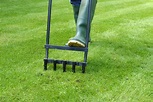
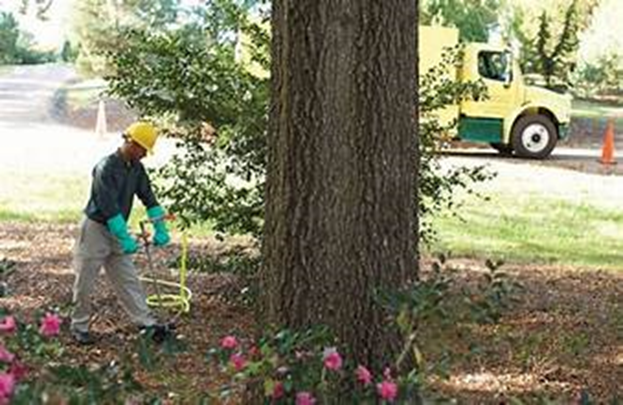
Spike aeration is the easiest way for home gardeners to aerate soil themselves. Grab a spiky tool, like a hand cultivator, metal rake, or pitchfork, and puncture the soil in a broad area around your tree. This effort makes the soil more porous so that oxygen can access the roots and water can drain more readily through the soil. Be careful not to stab surface roots with your tool!
Aerate around your trees once or twice a year, in the Spring and/or fall, and always follow up with mulch (You can find a great video on the website how to properly mulch). For mature trees starting to show their age, it’s best to aerate the soil, mulch a large area around the base, and then walk over the roots as little as possible. Mature trees tend to be even more vulnerable to soil compaction.
Lastly – be aware that a healthy-looking tree does not indicate your soil is fine! The negative impacts of soil compaction might not become visible in the canopy for several growing seasons. So be proactive and build aeration into your annual tree care routine.
Want more tips about keeping your trees healthy or planning to install new woody plants? Check out RI Tree Council’s other articles on tree care page or sign up for the next Tree Stewards course. Go to RITree.org for more information.
Matching the right tree to the right soil is critical. It builds strong, healthy trees by delivering the right nutrients and drainage to the plant—all while boosting disease resistance, reducing maintenance, and promoting a nurturing ecosystem. A mature, healthy tree adds anywhere from 3 to 15 percent to your home’s value, which is an added benefit
But matching the right tree to the right soil is dicey. So, you need to get it right for the best results. Here are some challenges when matching trees to soil:
Determining soil type and tree needs
Generating an accurate soil assessment
Researching information about specific trees
Modifying existing soil correctly
Monitoring to ensure a tree’s continued health
By understanding and overcoming these challenges, you can boost your chances of making a successful tree-soil match that nurtures a thriving, healthy plant for years to come. Consulting technicians at the Rhode Island Tree Council can help you beat the challenges described above.
Also, the University of Rhode Island’s Soil Testing service is free through its Master Gardner program. You provide the school’s lab with a sample of your soil. It will test its pH (acidity/alkalinity), evaluate its texture and content, and recommend what actions to take to improve your soil’s pH and health.
Meanwhile, the booklet “Soils of Rhode Island Landscapes” by William R. Wright and Edward Sautter provides more information on this topic. Its goal is to arouse public interest in soils and make people aware of this valuable natural resource.
Matching the right tree to the right soil provides numerous benefits. Matching grows strong, healthy trees by delivering nutrients, drainage, and aeration to the plant, boosting disease resistance, and reducing maintenance needs—all while promoting a harmonious, nurturing ecosystem. Plus, it increases your property’s value. A mature, healthy tree adds anywhere from 3 to 15 percent to your home’s value.
But matching the right tree to the right soil is dicey. So, you need to get it right for the best results. Choosing the wrong soil, on the other hand, stunts a tree’s growth, deprives it of essential nutrients, leaves it susceptible to diseases, and even causes death.
Specific challenges to choosing the suitable soil include:
Diverse soil types and tree needs
Generating an accurate assessment
Limited information about specific trees
Modifying existing soil
Monitoring to ensure trees continue health
By understanding these challenges and then overcoming them, you can boost your chances of making a successful tree-soil match that nurtures a thriving, healthy tree for years to come. Consulting technicians at the Rhode Island Tree Council can help as well beat the challenges described above.
Two Critical Steps to Tree-Soil Matching
There are two critical steps to match a tree to the soil. The first is understanding your soil. Start by consulting the USDA’s Plant Hardiness Zone Map, which is divided into 12 zones. Each zone reflects the area’s average minimum temperatures during the winter in that area. Zone 1 is the coldest, while Zone 12 is the warmest. A powerful tool for growers, the map tells you which trees thrive in your climate.
While most of Rhode Island falls within the plant hardiness of Zone 6a, the state’s complete hardiness zone extends from 5b to 7a. This area averages annual minimum temperatures ranging from -10°F to 5°F. The results reflect the state’s coastal location with its northern and western regions being cooler than its southern and eastern areas. Our blog post on the Plant Hardiness map tells you how to use the map to the best advantage.
Test Soil to Determine Key Factors
The second step in the matching process is testing your soil. This step reveals your soil’s pH, nutrient levels, and drainage—all critical factors for tree growth. Home improvement stores, like Home Depot or Lowes, often sell test kits for this purpose so you can test the soil yourself. Or, you can mail soil samples to a professional lab for a more detailed analysis.
The University of Rhode Island’s Soil Testing service, for example, is free through its Master Gardner program. You provide the school’s lab with a sample of your soil. It will test its pH (acidity/alkalinity), evaluate its texture and content, and recommend what actions to take to improve your soil’s pH and health.
The booklet “Soils of Rhode Island Landscapes” by William R. Wright and Edward Sautter provides more information on Rhode Island soils. The booklet’s goal is to arouse public interest in soils and make people aware of this valuable natural resource. As the name implies, this 62-page booklet provides an in-depth look at Rhode Island soils.
Research on Tree-Soil Compatibility
Studies by scientists offer valuable insights into the relationship between trees and soil. One five-year study by the Morton Arboretum in Lisle, IL, for example, targets the impact of organic and inorganic fertilizers on soil quality and tree growth. That study shows that soil compost and mulch have a significant impact on soil quality, but the benefits take three years to kick in.
Here are some additional findings tree-soil compatibility research provides:
Some tree species prefer specific soil characteristics like drainage, pH, nutrient content, and texture. For example, oaks thrive in well-drained sandy soils, while maples prefer slightly acidic soils with good moisture retention.
Certain trees have deep root systems that can access water and nutrients from lower soil layers, while others have shallow roots that rely on surface moisture. Matching root systems to suitable soil depths boosts water and nutrient uptake.
Adding organic matter like compost can improve drainage and nutrient availability in clay soils, but adding sulfur can adjust the pH for more acid-loving trees. But you need to consider these actions’ long-term impacts and cost-effectiveness.
Rainfall patterns, temperature fluctuations, and local topography can affect soil moisture and nutrient cycling. That, in turn, impacts tree suitability. Matching trees to local conditions and a site’s microclimates boost plant health.
Long-term monitoring after planting trees in new soil proves significant. Monitoring growth, survival rates, and potential disease or nutrient deficiencies helps assess the success of the tree-soil match and identify any necessary adjustments.
Understanding these research findings on tree-soil compatibility is beneficial. It helps you make informed planting decisions about what trees to plant in which soil environments. That, in turn, promotes the tree’s health and longevity. Plus, it contributes to healthy ecosystems, among other things. Put simply, making the best tree soil match possible is a win-win for you and the tree you plant.
You don’t need to plant just any tree in your yard. You need to plant the right tree in your yard. That’s easier said than done. While you have a wide selection of trees out there, there’s no one “best tree” for all purposes.
In fact, you have several considerations when selecting a tree. Once you’ve selected that tree, you must place it in the right spot in your yard. These two activities go hand-in-hand to find the best tree for your yard.
The benefits of planting a tree in the right spot are numerous. Environmental benefits include air purification, soil health, water conservation, and habitat creation, while aesthetic benefits include beauty and visual interest, privacy and screening, noise reduction, and creating a peaceful environment.
Pinpoint your climate zone
Start by determining your plant hardiness zone, which indicates your area’s average minimum winter temperature. This step narrows down the trees that can survive the cold in your site. Next, consider the area’s rainfall patterns and its sun exposure. How much sun does your yard get—full, partial, or complete shade? Will you need additional watering for the tree you pick to survive?
2. Determine your needs and preferences
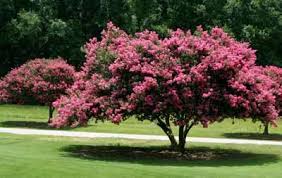
Using the information discovered in step one, you must consider other vital factors, like maintenance, aesthetics, and functions. Do you want shade, privacy, wind protection, vibrant fall foliage, or blossoms? Choose trees that fulfill your priorities and maintenance needs. Do you want a mature tree with size, shape, and foliage color? What about a flowering tree to complement your existing landscape?
3. Choose the right area
You must select the right tree for the site under consideration. That includes matching the mature size of the tree to the site. For example, avoid planting a towering tree under power lines or close to your house. Growth rate, soil type, and drainage are also considerations. You want a tree with suitable growth for your desired timeline. Also, know your tree’s light needs and place it accordingly. Consider its future shade impact on buildings, walkways, or gardens.
4. Set goals for your tree
Setting goals is a must when selecting and placing trees on a site. Do you want the tree to provide shade or privacy? Or maybe you want it to attract birds or add color to your yard. Whatever your goal, you may need to exceed aesthetics to achieve it. Lifestyle is also a consideration. You want a tree that fits your lifestyle. Some trees require more pruning, watering, maintenance, or pest control. Also, stay away from invasive tree species that can harm native ecosystems.
5. Plant at the right time
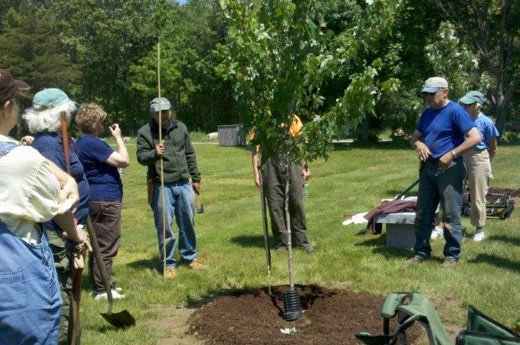
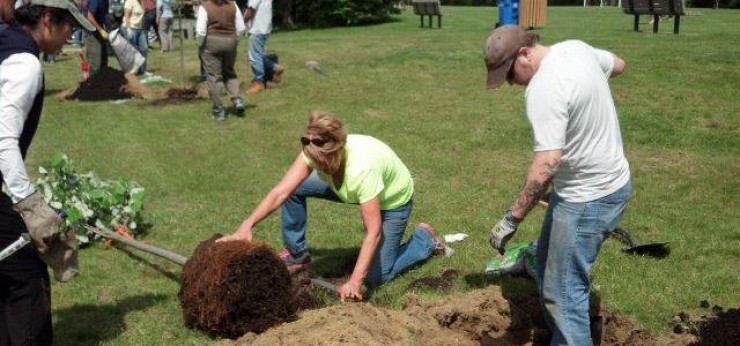
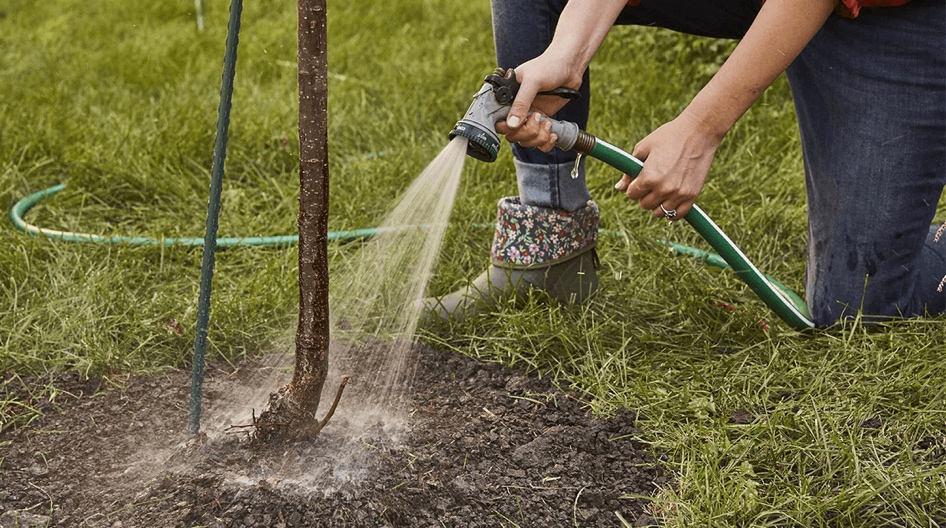
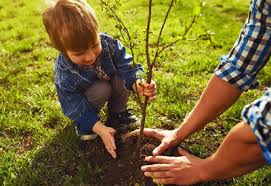
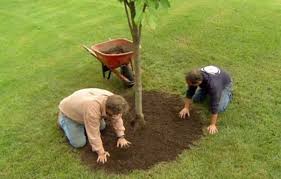
Research the tree you want to plant to find the best time to plant it. Fall and spring are typically the best time to plant, but not always. Dig a hole two to three times wider than the tree’s root ball and plant the tree at the same depth as the soil line on the root ball. Straighten the tree in the hole. Once planted, a tree is difficult to reposition. Fill the hole gently but firmly. Avoid fertilizing the tree at this time. Stake the tree only when planting bare root stock or when planting at windy sites. Remove the stakes after a year of growth.
Studies also show that homes with mature trees generally sell for more than those without trees, have lower groundwater fees, and save energy. Below are six tips on how to select the perfect tree for you:
Provide the proper care
Having planted the tree at the right spot, you need to water deeply and regularly. New trees need plenty of water during the first year and in dry periods and hot weather. Gradually reduce watering as the tree becomes established. Also, apply a layer of mulch around the tree’s base to retain moisture, suppress weeds, and regulate soil temperature. Avoid filling in mulch to the tree’s base. Prune young trees for proper structure and remove dead or diseased branches as needed. Selecting and planting a tree in the right place in your yard can be a challenge. But if you follow the tips we provided above, you’ll simplify the process. If you’re still unsure about planting a tree in an area, consult a professional! Consulting a certified arborist, qualified nursery professional, or one of RITree’s technical specialists can provide valuable guidance for selecting and caring for your trees.
Do you “mulch” your trees and shrubs regularly? Mulching is a tree care activity we often overlook. But it’s more important than many people think. It delivers vital benefits to trees and shrubs that go way beyond making your yard look nice. Put simply, Mulching boosts a plant’s health and hardiness.
So when should you mulch your trees and shrubs? That depends on your goals and the climate in your area. Each season has its pros and cons. The key is knowing when the best time to mulch is for you. Springtime mulching, for example, stimulates root growth but may require re-mulching later on in the season.
Wintertime mulching, on the other hand, insulates roots from sudden cold snaps but can trap frost and damage roots in freezing temperatures. Ultimately, you want to mulch when it’s most beneficial to your trees and shrubs. Soil temperature, rainfall patterns, and tree health are all factors when deciding when to mulch.
Benefits of Mulching
Mulching reduces water evaporation by 30-70%, increases water filtration 3 to 5 times, and lowers soil temperature by as much as 10° F. It also reduces weed pressure by 50-90%, boosts tree growth by 20-50, and deters pests from attacking trees and shrubs. If you use organic materials, it adds vital nutrients to the soil when the material breaks down, enriching the soil and boosting plant growth.
Mulching also:
Prevents soil compaction from foot traffic and lawnmowers
Promotes better root penetration and aeration
Prevents soil erosion from wind and rain
Protects a tree or a shrub’s base
Reduces the need to mow or weed around your trees
Saves maintenance time, cost, and effort.
These benefits can make a difference to your trees and shrubs—no doubt about it. But you need to choose the right mulch to enjoy those benefits. Organic mulch, such as wood chips, tree bark, and shredded leaves, offers advantages inorganic mulch doesn’t offer as discussed above. Inorganic mulch, such as gravel, rubber mulch, and fabric, can suppress weeds effectively but doesn’t deliver organic mulch’s nutrient benefits.
Tips on Mulching
There’s more to mulching than many people think. Here are some tips on how to mulch effectively:
Mulch when it’s best for your trees and shrubs. Early spring (after the last frost) or late fall are generally ideal because soil temperatures are mild. Avoid mulching when it’s hot and dry, or the ground is frozen.
Start by removing any weeds or debris around the plant’s base, then identify your drip line—the outermost edge of the plant’s canopy. Spread the mulch to at least this edge but at least three to five feet from the trunk.
Apply a 2 to 3-inch layer of organic mulch for mature trees and a 1 to 2-inch layer for young and new trees. Leave a gap between 2 to 3 inches from the tree trunk or shrub base. Avoid applying mulch too high. It can choke the choke the roots.
Create a clean border around the mulch using either bricks, stone, or other edging material, which prevents the mulch from spreading and helps maintain a nice appearance.
Replenish the mulch layer as it decomposes, or the wind blows it away. The mulch won’t suppress all your weeds, so you may still have to pull some from the ground. Pull them gently to avoid disturbing the mulch. it
Check the soil under the mulch during dry periods. If it feels dry, water it deeply. You want to make sure the water gets to all the roots.
Apply these tips to mulch in a way that’s designed to boost your tree’s and shrub’s health and hardiness. Also, be mindful of nearby structures and walkways when mulching. It can attract pests.
Also, consider using different types of mulch for different areas of your yard. And don’t use fresh or dyed wood chips. They can release harmful chemicals. Mulching regularly can help your trees and shrubs thrive for years to come.
Mulching benefits trees and shrubs. It reduces water evaporation, prevents soil compaction, and boosts root penetration and aeration. It also prevents soil erosion from wind and rain, reduces pressure from weeds, and enriches the soil. In short, mulching promotes plant growth and hardiness when done correctly. But there’s more to mulching than many people think.
Here are six tips on how to mulch your trees and shrubs:
Mulch when it’s best for your trees and shrubs. Early spring (after the last frost) or late fall are generally ideal because soil temperatures are mild.
Remove any weeds or debris around the plant’s base, and identify your drip line then. spread the mulch to at least this edge but at least three to five feet from the trunk.
Apply a 2 to 3-inch layer of organic mulch for mature trees and a 1 to 2-inch layer for young and new trees. Leave a gap between 2 to 3 inches from the tree trunk or shrub base.
Create a clean border around the mulch using either bricks, stone, or other edging material, which prevents the mulch from spreading and helps maintain a nice appearance.
Replenish the mulch as it decomposes. The mulch won’t suppress all your weeds, so you may still have to pull some from the ground. Pull them gently to avoid disturbing the mulch. it
Check the soil under the mulch during dry periods. If it feels dry, water it deeply. You want to make sure the water gets to all the roots.
Apply these tips to mulch in a way that’s designed to boost your tree’s and shrub’s health and hardiness. For more help with mulching, contact RI Tree .
Christmas is a great time of the year. But once it’s over, you have to do something with your tree. You can always put it out on the curb for trash pickup if your municipality provides that service. But if that option doesn’t appeal to you, you can make better use of the tree by giving it another role.
Here are five options that involve giving your Christmas tree a new role:
Use it as firewood — If you want to cut it up and use it as firewood, you can. But the wood is still wet, so use it only in an outdoor fire pit. And use it only when the wood is dry. Using it indoors otherwise is a fire hazard.
Recycle it as winter mulch — Leave the tree in your yard for the winter. It can provide much-needed shelter for small animals and birds. You can chop it up in the spring and use it for mulch.
Make it a bird feeder — Place it in its stand outdoors. Then, fill some bird feeders and hang them from the tree’s boughs. You can also drape the tree with a swag of pinecones coated with peanut butter.
Protect plants with it — The winter is hard on tender plants. Cut a few branches or boughs from the tree and cover your tender plants for the winter. The branches will protect them from the season’s harshness.
Add Christmas freshness to your home — Strip the tree’s pine needles and make a sachet of them. Then, hide them around the bathroom and kitchen for some cheerful fragrance.
These options highlight the idea that your tree’s needles, boughs, and trunk can do more than hold ornaments. Each option has advantages. Choose one that works best for you. No matter which options you choose, however, they all let you dispose of your tree safely and responsibly. Never throw trees Christmas trees in garbage or landfills.
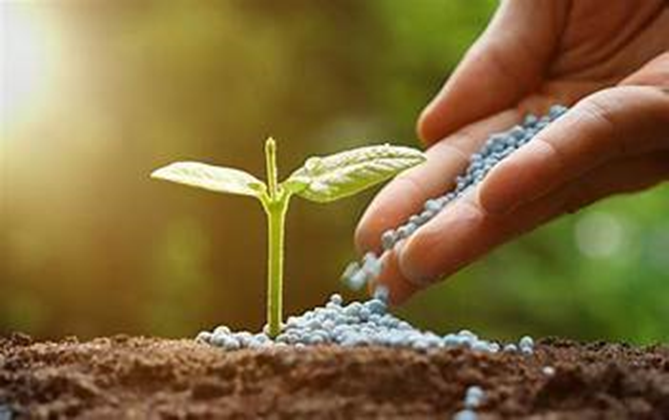
If you want to have a healthy tree on your property, you must ensure your soil has plenty of nutrients and organic matter. If the tree doesn’t get these materials from the soil, it could wither and die. Fertilizing your tree is a great way to boost its health, appearance, and lifespan —all while helping benefit the environment.
Below are seven tips on fertilizing a tree or trees:
Choose the right fertilizer: You want a fertilizer that’s right for your situation. Fertilizers include a mixture of nitrogen, phosphorous, and potassium. Generally, use a fertilizer with an NPK ratio of 10-10-10 or 12-4-8.
Apply fertilizer from early spring to late fall. Those are the best times to fertilize trees in most areas. Don’t fertilize during the winter. It’s the worst time to do it.
Apply fertilizer over the root zone: This area is beneath the tree’s canopy. Spread the fertilizer evenly using a broadcaster or drop spreader.
Water the fertilizer thoroughly: Watering helps the nutrients penetrate deep into the soil.
Sandy soil drains faster than clay soil: You may need to fertilize sandy soil more often than clay soil.
Fertilize in the fall: If you live in New England, where it can get cold, fertilize in the fall. Plants will store nutrients all winter to return strong in the spring.
Avoid overfertilizing: That can not only damage plants, it can also pollute the environment. Follow the directions on the fertilizer label.
These tips can help you when it comes to taking care of your trees and shrubs. If you have any questions regarding fertilization, contact an arborist or RI Tree. Asking for help from a professional never hurts.
Trees need plenty of nutrients to grow healthy and strong. If they don’t get them, they’ll wither and die. The soil provides plenty of nutrients for trees. But nutrient depletion over time, poor soil management, natural factors like soil type, and pollution (acid rain and agricultural runoff) can strip nutrients from the soil and make it less rich. So can soil erosion, excessive tilling, overfertilizing, soil that’s too sandy, and acid rocks.
To preserve trees on your property, you must ensure your soil has plenty of nutrients and organic matter. Below are five signs you need to fertilize your trees and shrubs to boost your soil’s nutrient content.
Yellowing leaves
Stunted growth
Poor flowering
Thin foliage
Dead or dying branches
If you see any or all of these signs with your trees, they indicate that your soil may lack the nutrients needed to grow healthy trees. Testing your soil will tell you for sure.
Testing Your Soil
Testing your property’s soil can uncover any problems you have with it. You can test soil anytime the ground isn’t frozen. The best time to test your soil, though, is in the spring. That way, you can address any issues before planting. If you live in Providence, you can get your soil tested for free. You can also get a soil test through URI’s Master Gardener program. Consult a local arborist or RI Tree for help or advice on soil testing.
The Morton Arboretum in Lisle, Illinois, recently conducted a five-year study designed to evaluate the effects of organic and inorganic fertilizers on soil quality and tree growth. Its researchers tested several substrates, including hardwood mulch, compost, aerated compost tea, synthetic NPK fertilizer, and a commercial biological product (mycorrhizae). The study shows that soil compost and mulch boost soil quality the most, while mulch and compost increase tree growth the most.
Benefits of Fertilizing Trees
Fertilizing benefits trees enormously. Put simply, it’s a cost-effective way to improve a tree’s health, appearance, and lifespan of a tree—all while helping benefit the environment. Here are several benefits of fertilizing trees:
Boost tree growth and vigor
Increase resistance to stress
Improve full fruit and floor production
Extend life span
Enhance esthetic value
Improve the quality of air
Cut noise pollution
Keep in mind that trees absorb pollutants from the air and release oxygen. Plus, they reduce noise pollution by blocking sound waves.
Tips on Fertilizing Trees
The first step when fertilizing trees and shrubs is choosing the right fertilizer. Look for the letters NPK on a fertilizer label. That indicates the fertilizers include a nitrogen, phosphorous, and potassium mixture—three critical plant nutrients. Types of NPK fertilizers include balanced, incomplete, and organic.
If your trees have yellow leaves or show stunted growth, the soil may be deficient in nitrogen. In that case, you’ll want a fertilizer rich in nitrogen content. Otherwise, you may want a good “balanced” fertilizer with an NPK ratio of 10-10-10 or 12-4-8
Here are six additional tips on fertilizing trees and shrubs:
Apply fertilizer from early spring to late fall. That’s the best time to fertilize trees in most areas. Don’t fertilize during the winter. It’s the worst time to do it.
Spread the fertilizer over the tree’s root zone. That’s the area beneath its canopy. Apply the fertilizer evenly with help from a broadcaster or a drop spreader.
Water the fertilizer thoroughly. That will help the nutrients penetrate deep into the soil.
Sandy soil drains faster than clay soil. So, you may need to fertilize sandy soil more often than if you have clay soil.
Fertilize in the fall in areas with cold winters, like New England. Trees will store nutrients all winter so they can return strong in the spring.
Avoid overfertilizing. That can not only damage plants, it can also pollute the environment. Follow the directions on the fertilizer label.
These tips can help you when it comes to taking care of your trees and shrubs. If you have any questions regarding fertilization, contact an arborist or RI Tree. Asking for help from a professional never hurts.
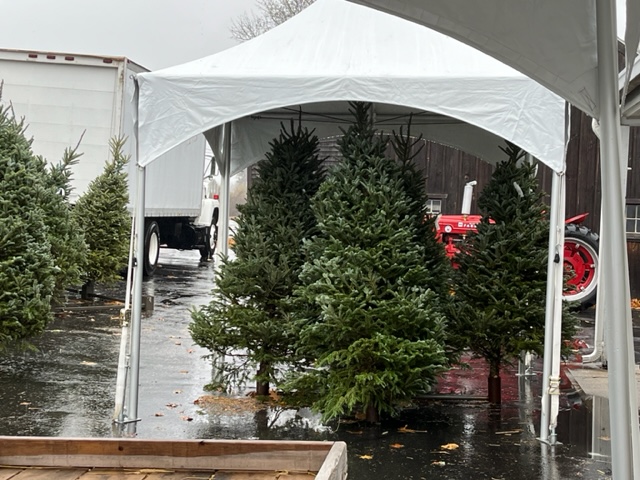
Holiday trees are now on sale. Our sources tell us there are plenty to go around. However, finding that perfect tree may be harder than usual. The problem: fungal diseases sparked by wet springs in the past few years have caused tree quality issues, especially with large-sized trees. Our recommendation is to make your holiday tree purchase sooner than later in the season when there are more to choose from.
Here are a few tips to help you find the right tree.
Match the tree to room dimensions by measuring ceiling height and clearance width in the room the tree will be placed.
Select a fresh tree. Shake or stomp the tree against the ground.
If too many needles fall off, pick another tree.
Best tree selections include the Balsam Fir, White Fir, Colorado Blue Spruce, and Douglas fir. They have sturdy branching and long needle retention.
Keep the tree away from space heaters, stoves, fireplaces, etc.,
Cut a 1/2” wood chip from the bottom of the tree trunk to help the uptake of water by the tree.
Fill the water stand with water daily to maintain tree freshness and needle retention.