

Revolutionize Your Landscaping: 7 Proven Pest Management Strategies
Are you looking to protect your trees from pests and diseases? Trees and plants often become weak due to factors such as climate change, drought, or poor soil conditions. This vulnerability enables secondary invaders, like the Emerald Ash Borer or Asian Longhorned Beetle, to thrive. Additional hurdles in controlling pest populations include difficulties in identifying specific pests or diseases, the rapid spread of intruders, the decreasing effectiveness of chemical treatments, and the high costs of specialized or systemic solutions.
Combating tree and plant pests, however, is no picnic. Integrated Pest Management (IPM) is a sustainable approach to pest control that makes sense. IPM isn’t just about eliminating pests. Based on scientific evidence and environmental considerations, this strategy utilizes a combination of biological, cultural, physical, and chemical methods to reduce pest risks. By emphasizing prevention, monitoring, and applying control measures, when necessary, IPM offers significant benefits that can protect your trees and revitalize your landscape.
Multifaceted Benefits for Urban Landscapes
IPM is proactive and effective. It’s used in cities, parks, street trees, public gardens, school grounds, and residential properties, offering a unique set of advantages. The urban landscape is a complex ecosystem where human activity and natural processes frequently intersect. IPM’s main strength is its ability to minimize disruption to this delicate balance.
1. Reduces chemical load dramatically
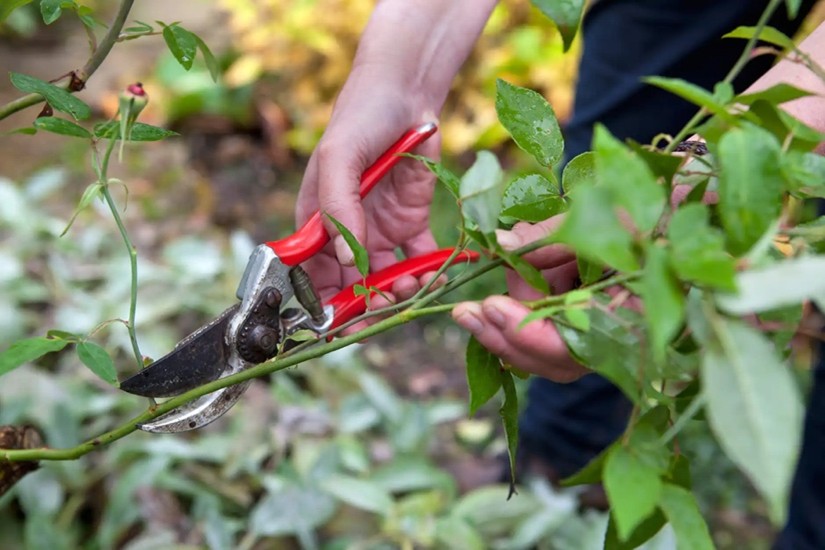
Using pesticides carefully is IPM’s key environmental benefit, especially in areas with high population density, where the risks from chemical runoff and drift can be significant. IPM emphasizes cultural controls like proper watering, pruning, and improving soil health, along with physical controls like hand removal or traps. This means fewer synthetic chemicals contaminate the soil, air, and storm drains.
2. Preservation of urban biodiversity and pollinators
Broad-spectrum pesticides, often used in traditional pest control, kill both harmful pests and beneficial organisms. In contrast, IPM protects and encourages these natural enemies—such as ladybugs, lacewings, and predatory wasps—along with pollinators. IPM creates a self-regulating ecosystem where natural predators control pest populations. By targeting specific pests only when treatment is needed, using spot treatments or highly selective materials, IPM ensures that pollinators can survive.
3. Enhanced tree and plant resilience
The key principle of IPM is prevention through promoting host health. Urban plants, particularly trees, face constant stress from compacted soil, limited root space, air pollution, and changing microclimates. Stressed plants are more vulnerable to pests and diseases. IPM practices proactive Plant Health Care (PHC) by emphasizing proper species selection for the area, improving soil through mulching and fertilizing, and ensuring correct pruning. IPM provides considerable benefits by reducing human exposure to harmful materials while managing health-related pests.
4. Safety in sensitive environments
IPM is the best choice for pest management in public and sensitive urban areas, including schools, playgrounds, hospitals, and parks. By prioritizing non-chemical methods like sealing cracks to keep pests out, ensuring cleanliness, and trapping, IPM helps keep these places safe for children, pets, and vulnerable populations. Preventing pesticide drift is crucial for protecting children, who are more sensitive to the potential effects of pesticide exposure.
5. Effective management of public health pests
While IPM is commonly linked to plants, it is also very effective against urban pests that pose direct health risks to humans, such as rodents, cockroaches, and mosquitoes. Strategies for these pests could involve improving sanitation, properly storing trash, and eliminating standing water for mosquitoes. This approach not only cuts down pest populations but also takes care of the root causes of problems, leading to lasting control and a decrease in allergens and disease carriers.
- Increased public trust and transparency
IPM is transparent and based on science. Municipalities and property managers that adopt IPM show their dedication to environmental stewardship and public safety. By monitoring pest populations and only treating when they exceed a specific “Action Threshold,” IPM practitioners can back up their actions with data. This helps ease public concern about unnecessary or harmful chemical use. This data-driven method builds community support for urban greening initiatives and park management. - Long-term cost savings
While monitoring and cultural practices need specialized labor, IPM often results in significant long-term cost savings:
• Fewer chemical purchases: A reduced reliance on synthetic pesticides lowers costs for maintaining chemical inventory.
• Reduced labor for re-treatment: IPM focuses on the root causes of infestations. Since it helps prevent pesticide resistance in pests, there is less need for repeated, costly chemical applications.
• Asset protection: By keeping high-value urban assets like mature street trees and specialty garden plantings healthy, IPM helps avoid the much higher costs of removing and replacing dead or heavily damaged plants.
The initial belief that IPM is more expensive is often overturned by its long-term cost-effectiveness and role in promoting economic stability. Integrated Pest Management (IPM) applies well to fruit trees, using various methods such as monitoring, cultural controls, and selective sprays to manage pests and reduce risks sustainably.