
Real or Fake? Transform Your Holiday by Choosing the Perfect Christmas Tree
What kind of Christmas tree are you buying this year—real or artificial? Choosing a tree can make or break a holiday, so you need to get it right. That’s easier said than done. Consider the full lifecycle of each option before buying your tree helps. But even with that, picking the right Christmas tree can be challenging. Cost, appearance, and convenience in a Christmas tree are obviously critical.
You also need to consider the tree’s environmental impact, which can be significant. A Christmas tree impacts the planet in ways we probably never think of, such as our carbon footprint, climate change, waste and landfill use, resource depletion, and ecosystem quality. From an ecological standpoint, the most critical factors in picking a Christmas tree are reuse and end-of-life disposal.
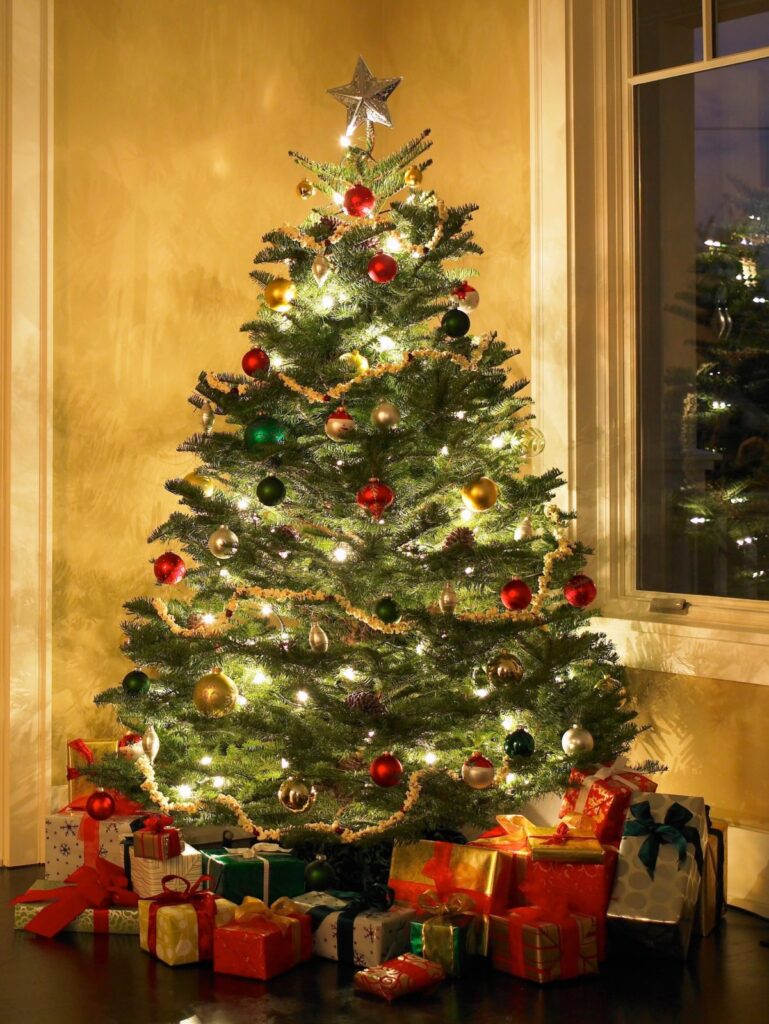
Below is a quick overview of the impact of Christmas trees on our ecosystem and what you should keep in mind if you want to make an eco-friendly choice.
Real Trees: The More Natural Choice
Buying a real Christmas tree seems like the natural choice. Most trees come from dedicated tree farms rather than wild forests. These farms grow millions of trees each year across North America and Europe, planting anywhere from one to three new seedlings for every tree they harvest. During their 7–12-year growth period at the farm, the trees do a lot of good, including absorbing carbon dioxide, producing oxygen, and stabilizing soil.
Real trees have several advantages. Their root systems, for example, help reduce erosion, and the land they occupy can serve as habitat for local wildlife. A real tree’s most critical advantage comes at the end of its life cycle. When composted, mulched, or used in habitat restoration projects—common in many communities—real trees break down naturally, returning nutrients to the soil. Even when sent to landfills, they decompose over time.
Many tree farms, however, use chemical fertilizers and pesticides to boost tree health and appearance. These regulated agricultural chemicals can have a negative environmental impact, similar to those in other kinds of farming. Pesticides and fertilizers can pollute soil and water, harming biodiversity and organisms like pollinators. Transporting trees—sometimes hundreds of miles—also produces emissions.
Tree Farms in Rhode Island
Consumers can further lower the environmental impact of real trees by purchasing locally grown varieties and ensuring proper disposal. The most environmentally friendly real tree is one that’s sourced nearby and given a second life through recycling programs.
Below are some places where Rhode Islanders can buy real trees:
- Big John Leyden’s Tree Farm, West Greenwich
- Pachet Brook Tree Farm, Tiverton
- The Farmer’s Daughter, South Kingston
- Rossi’s Tree Farm, Cranston
- Bedrock Tree Farm, South Kingstown
- Riverside Christmas Tree Farm, Charlestown
- Sweet Berry Farm, Middletown.
These are just a few of the Christmas tree farms you can target when buying a real tree this year. If you live near the state’s borders, Massachusetts and Connecticut also have local tree farms you can buy from.