

Master These 6 Simple Fruit Tree Pruning Secrets!
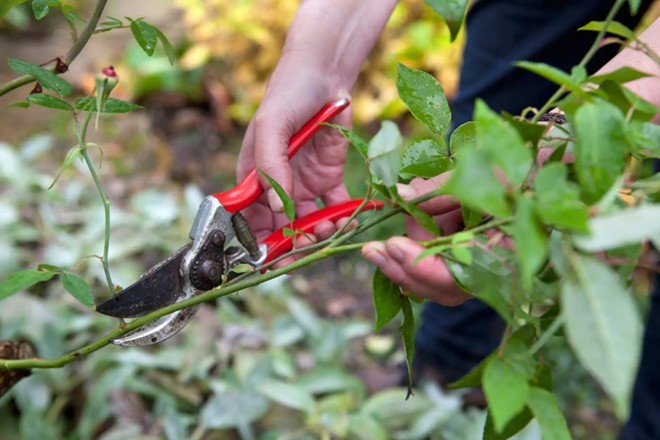
Pruning fruit trees differs from pruning mature shade trees. Pruning fruit trees is a powerful management tool that ensures a consistent, high-quality, easy-to-harvest crop. It also maximizes fruit production and quality, improves light and air flow, and maintains the tree’s structural integrity and lifespan.
Here are six essential hacks for pruning fruit trees in winter:
1. Master the timing: late winter is best
Pruning cuts made too early in winter can create frost damage. Cutting closer to spring allows the wound to heal almost immediately when the tree breaks dormancy, reducing the chance of disease.
2. Start with pruning deadwood
Remove all deadwood and branches that show signs of disease or are broken. Also, prune branches that cross or rub against each other. They can create wounds that provide easy entry points for pests and diseases.
3. Open the canopy for sunlight and air
The primary goal of winter pruning is to create an open structure that allows sunlight and air to reach the tree’s interior. Create a “vase” or Christmas tree shape for peach, plum, and cherry trees by removing the central upright leader; create a central leader for apple and pear trees.
4. Use correct cutting techniques
Cut just outside the branch’s collar when removing a branch. When shortening a branch, cut just above an outward-facing bud, which directs the new growth away from the tree’s center, helping to open the canopy.
5. Prune to control vigor
Limit cuts to 10-20% of the wood if your tree is healthy and growing. If the tree is older and has minimal new growth, a more severe prune (up to 30-50% for stone fruits) can promote the growth of new, productive fruiting wood.
6. Use Sharp, Clean Tools
Sterilize your tools before pruning. Clean your hand pruners, loppers, and pruning saws with diluted bleach or rubbing alcohol to prevent the spread of pathogens between trees. Also, keep tools sharp.
Clean Up Immediately
Never remove more than one-third (33%) of the tree’s overall canopy in a year to prevent severe stress. Rake up and dispose of all the pruned branches and any diseased material. Leaving diseased branches or leaves on the ground allows pests and fungal spores to re-infect the tree the following spring.
The RI Tree Council offers an annual Fruit Tree Growing Course emphasizing a reliable, economical, and eco-friendly way to grow backyard fruit. The next class starts in March 2026. For more details, click www.ritree.org.