

Revitalize Your Trees: Discover the Power of Root Deep Care Today!”
Urban trees often require fertilization. That’s mainly due to the unique characteristics of city soils. Signs urban trees need fertilization include yellowing leaves (chlorosis), thinning canopies, short twigs, stunted growth, branch dieback, a weak response to mild drought, and early leaf drop. If you see these signs, your tree or trees need fertilization.
Here are seven tips for fertilizing trees correctly:
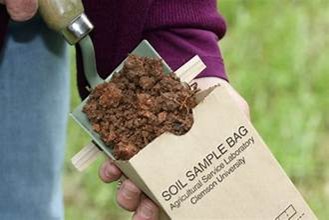
1. Get a soil test first
Get a soil test using a local agricultural extension office or lab. The test can determine the soil pH, which determines how well a tree or plant absorbs available nutrients. (The University of Rhode Island will test soil for free.)
2. Choose the right fertilizer type
Prioritize slow-release nitrogen (N) fertilizers. Since nitrogen is often deficient in the soil and critical for foliage growth, consider a fertilizer with a high nitrogen ratio (like a 3-1-2 or 4-1-1 N-P-K ratio)
3. Fertilize the correct root zone
Spread fertilizer across the entire area under the tree’s canopy, extending at least to the dripline. Keep fertilizer a few inches away from the base of the trunk.
4. Apply at the optimal time
Fertilize in mid-spring after the leaves have emerged and grown to full size. That’s when a plant will benefit the most from fertilizer laden with nutrients to help create more energy.
5. Use the correct application method
Spread granular fertilizer evenly over the mulched area and water it thoroughly. Use an auger or punch bar to create 8–12-inch-deep holes, spaced 2–3 feet apart. Then, spread fertilizer evenly among these holes to get the nutrients below the grass roots.
6. Apply the correct rate
Always follow the rates specified in your soil test report. And use the correct type of fertilizer, at the proper rate, at the right time, and in the correct location.
7. Ensure adequate water and mulch
Water the tree or plant immediately after applying fertilizer to help move the nutrients into the root zone. Maintain a 2–4-inch layer of organic mulch (like wood chips) over the root zone.
Fertilizing trees in urban areas is often a must. So, watch for the signs, like yellowing leaves or premature leaf drop, that tell you your trees may need fertilizing. Then do a soil test and follow the test’s instructions for fertilization.
Do you have fertilization questions? Contact the experts at RI Tree. They’ll guide you through fertilization, saving you time and money.