
Turbocharge Your Trees: 3 Simple Hacks for Breathtaking Growth!
Trees can adapt to many different local conditions. That can greatly affect tree growth, especially in New England. Seasonal changes, for example, in winter and summer in our area, can dramatically impact tree growth in urban areas. The right factors in the right amounts can drive tree growth. They’re critical factors in tree development. Their interplay creates the character of New England’s forests.
This article will explore how conditions in New England can impact tree growth and how trees thrive in harsh conditions. By looking at these strategies, we can better understand the balance of urban forest ecosystems and their challenges. Understanding how these factors affect tree growth is key to much forestry and ecological studies.
Thriving in Many Climates and Conditions
Trees can adapt to many climates and conditions. These adaptations can be categorized as morphological (structural), physiological (functional), and phenological (timing of life events). Light intensity, water availability, and temperature are physiological conditions and key factors that impact tree growth. Here’s how these factors impact tree growth in our area:
• Light intensity—New England’s tall buildings and dense urban structures cast long shadows over trees, killing the direct sunlight these plants need. This is especially problematic in narrow streets and courtyards, where trees may get only a few hours of direct sunlight daily. This can disrupt the consistent light exposure needed for optimal photosynthesis and limit tree growth.
Trees adapt to low-light conditions by changing their morphology. They may develop larger, thinner leaves to capture more light or initiate etiolation, a phenomenon where stems elongate and foliage is sparse. This change, however, makes trees weaker and more prone to damage. Trees in heavily shaded urban areas may grow slower and produce fewer leaves.
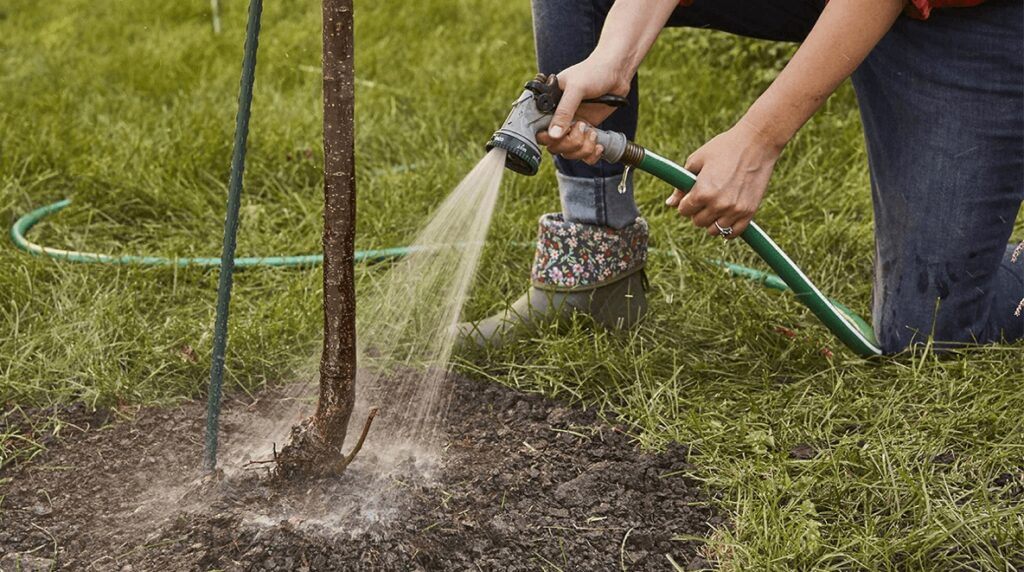
• Water availability—Water is crucial to tree growth. It can fuel tree growth. Less water, however, can stunt tree growth. Chronic water problems can limit development and shorten their lifespan. Climate change is altering precipitation patterns in New England, with projections showing more frequent and intense rainfall and periods of drought, making trees more susceptible to pests and disease.
Trees with less water may close their stomata to conserve water and limit photosynthesis. Some trees may prioritize root growth to access water deeper in the soil profile. Others may develop smaller, thicker leaves with waxy cuticles to reduce water loss or shed leaves early to conserve water during dry periods.
• Temperature—The freeze-thaw cycle in New England affects the length of the growing season and the timing of key tree events like budburst and leaf fall. The cycle also hurts tree growth. Meanwhile, climate change brings warmer temperatures and longer growing seasons to our area. While this may initially benefit some tree species, it also creates challenges.