

Revitalize Your Trees: Uncover Hidden Issues in Just Five Steps!
Fall is the perfect time for tree care. It’s great not only for planting saplings but also for checking your trees’ health. Adverse weather, like rainstorms, strong winds, and summer droughts, can weaken even the strongest trees. A tree’s ability to survive these harsh conditions depends on its health. Ignoring your tree’s health in the fall can be risky and may lead to failure, expensive repairs, and even personal injury.
Conducting a structural assessment of your trees in the fall can help you evaluate their health. As trees drop their leaves in the fall, their structure becomes more visible. Understanding the importance of fall tree assessment allows you to take proactive steps to ensure your trees’ safety and health. Plus, you can use the fall to prepare your trees for the upcoming New England winter and reduce the risk of tree failure.
Benefits of Structural Assessment
Trees may look strong and healthy from afar, but hidden flaws can weaken their structure. Finding and fixing these flaws is crucial for tree survival. Here are four benefits of doing a fall structural assessment now:
· Clearer visibility of defects
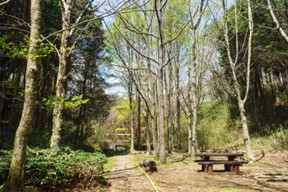
Without a dense canopy to obscure the view, you can see crucial hidden defects you wouldn’t have known about otherwise, such as weak branch unions, deadwood, and cracks and splits.
• Post summer stress assessment
A fall assessment lets you see the cumulative effects of summer stress, such as signs of decline in trees. It also lets you identify pests and diseases, discolored leaves, or canopy thinning.
• Preparation for winter storms
Identifying and fixing defects now reduces the risk of failure later on. You can also prune weak branches and install ‘structural support systems’ like cables and braces. These systems support weak or heavy branches, help trees withstand winter weather, and protect people and property.
• Planning for long-term health
Fall assessments can help plan for a tree or trees’ long-term care. If you’ve hired an arborist in the summer, you can follow his or her advice and schedule work during the tree’s dormant period, which is best for the tree and the arborist.
A fall structural assessment can also identify the need for soil treatments, fertilization, or root care, helping trees start recovering early before the next growing season.
Five Steps in a Structural Assessment
A structural assessment of a tree is a detailed process of a systematic review of the tree and its surroundings. While a certified arborist is the best person for this task, a property owner can do a preliminary check by following these steps:
Step 1:
Initial walk-around and overall view
Start by walking around the tree to get an overall view. Look at the tree’s overall architecture and lean. Is the crown balanced, or is it heavy on one side? Does the tree lean? That can indicate a root problem.
Step 2:
Inspect the ground and root collar
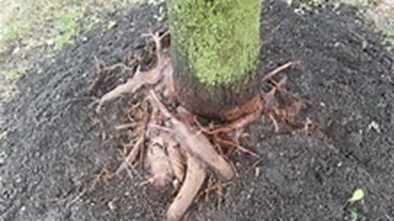
The base of the tree is the most critical area for stability. Get down to the ground and inspect the root collar where the trunk meets the ground. Some exposed roots are normal, but many exposed or damaged roots can indicate a soil problem. Look for defects like fungal growth, girdling roots, compacted soil, and exposed roots.
Step 3:
Assess the trunk and main stem
The trunk is the tree’s main support structure. Inspect it closely for any signs of damage or weakness. Look for vertical cracks running up and down the trunk, note any hollow areas or cavities, and check for old wounds from lawnmowers, vehicles, or construction, which can be entry points for decay and disease.
Step 4:
Evaluate branch and canopy growth
Look for weak branch unions and dead, brittle, or broken branches, which are major hazards as they can fall anytime. A narrow V-shaped union is structurally weaker than a wide U-shaped one. Also, look for codominant stems, which often lack a strong connection and are prone to splitting. A sparse crown or early leaf yellowing can indicate a problem with the tree’s health and vitality.
Step 5:
Consider the target and site conditions
Finally, put the tree’s condition into the context. A defect might not be a major risk, but it can become one when combined with a nearby target, such as cars, houses, and play areas. Consider factors like wind exposure, soil type, and any recent changes to the area that could have damaged the root system.
If you find any defects or have concerns about the tree’s stability, call a certified arborist or RI Tree.