

Protect Your Plants and Trees Today: Six Top Tips Against Sudden Frosts
Published on
Cellular destruction is the primary danger for plants and trees from a sudden frost. When temperatures drop rapidly below freezing (32°F or 0∘°C), the water inside and surrounding plant cells freezes, causing them to expand and rupture cell membranes.
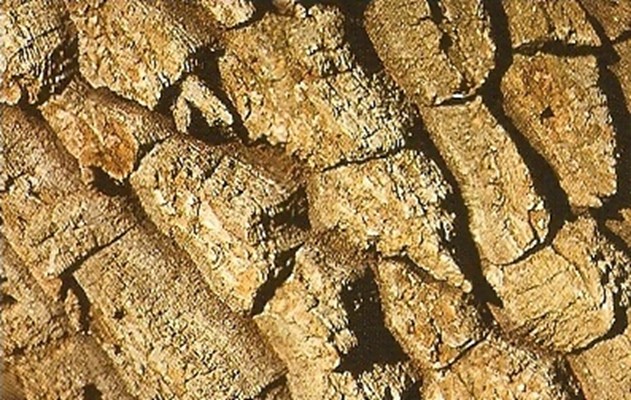
Trees, on the other hand, experience structural and systemic damage from sudden frosts, which can cause frost cracking, bark splitting, root damage, and sap flow disruption. These create openings for pests and diseases.
Tips on Protecting Plants and Trees
The main goals here are to conserve energy and prevent lethal ice formation inside the plant’s cells. Here are seven tips on how to protect plants and trees:
- Cover plants with fabric: Drape old bed sheets, blankets, burlap, or commercial frost cloth loosely over plants and small trees. Use stakes or a frame to prevent the cover from crushing the foliage. Ensure the cover extends to the ground to trap the earth’s stored heat.
- Bring potted plants indoors: Move all container plants, especially tender annuals and tropicals, into a sheltered location like a garage, shed, covered porch, or indoors.
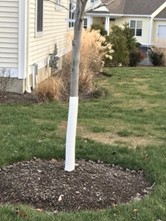
- Wrap young tree trunks: Young, thin-barked trees can be susceptible to frost damage. Wrap the trunks with a commercial tree wrap, burlap, or even cardboard to provide insulation.
- Water deeply before the freeze: Moist soil holds and re-radiates heat better than dry soil. Watering your plants thoroughly during the day before a frost is expected will help keep the root zone warmer overnight.
- Apply a thick layer of mulch: For in-ground plants and trees, apply a thick layer (about 3-6 inches) of straw, shredded leaves, or wood chips around the base. The mulch acts as an insulating blanket, helping to keep the soil and roots warm.
- Add a heat source (carefully): For very valuable or vulnerable plants, you can place a low-wattage heat source, like a strand of non-LED incandescent Christmas lights, under the cover to generate extra warmth. Always ensure the heat source is not touching the cover or foliage and does not pose a fire hazard.
A sudden, unseasonal frost endangers plants and trees because it hits before they have had time to “harden off” for cold weather. The primary danger to plants and trees when this happens is cellular destruction due to the freezing and expansion of water. Implementing some or all of the six tips above boosts your plants and trees’ chances of surviving a sudden frost.
For more information on protecting your plants and trees from sudden frosts, contact the experts at RI Tree.