
Unleash Your Property’s Potential: Top 7 Secrets For Planting Saplings Successfully

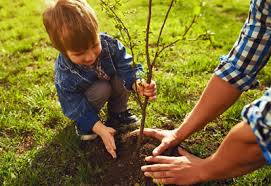
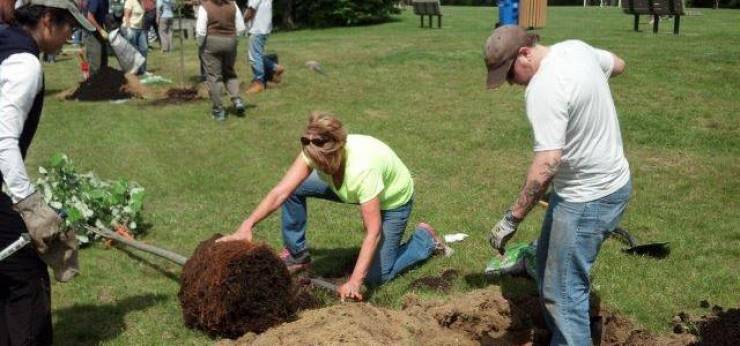
Planting saplings can be challenging. Balled and burlapped (B&B) saplings differ from planting bare-root saplings. B&B saplings are dug up with a soil ball around their roots, which helps reduce transplant shock. Bare-root saplings have no soil around their roots, exposing them, but they are lighter and usually less expensive.
These planting secrets can significantly improve their survival rate and long-term growth of saplings:

  1. Soak or dip bare roots: Don’t just briefly dunk bare roots. After soaking them for a few hours (no more than 24), dip them in a “root dip” product or a slurry of native soil and water before planting.
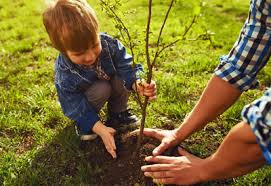
  1. Create a “watering donut” or berm: Instead of just leveling the soil around the sapling, build a small circular berm (like a donut) of soil about 1-2 feet in diameter around the tree. This technique funnels water straight to the root zone and prevents runoff.
  2. Perform a “scratch test” on the root ball: Gently scratch the outer edge of the root ball. If you notice roots circling tightly around the perimeter, they are “girdling” and will eventually suffocate the tree. Untangling or pruning these roots promotes outward growth.
  3. Think about mycorrhizal fungi inoculation: Inoculating the planting hole with mycorrhizal fungi can greatly benefit saplings. These fungi create a symbiotic relationship with tree roots, significantly enhancing the tree’s ability to absorb water and nutrients from the soil.
  4. “Air pruning” for pot-bound roots (if applicable): If transplanting from a traditional plastic pot, gently rough up the outer roots or make a few vertical cuts with a clean blade to encourage outward growth and prevent the roots from circling in the ground.
  5. Conduct a “tilt test” to check planting depth: When placing the sapling in the hole, hold it upright and gently try to tilt it. If it feels stable and doesn’t easily fall over, the planting depth is correct. Make sure the root collar (where the roots meet the trunk) is at or slightly above ground level.
  6. Prioritize “structural pruning” early on (if needed): Strategic structural pruning can direct the sapling’s growth during the first year or two. Also, focus on removing competing leaders, crossing branches, or weak angles to promote a dominant central leader and a strong scaffold.
    For more on planting saplings, see our blog post here.
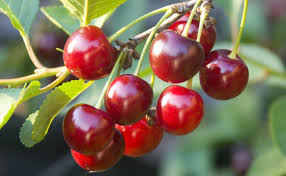
Planting Fruit Trees in Backyard is Safe, Reliable, and Fun: 7 Tips

Have you considered planting a fruit tree in your backyard? Fruit trees not only provide delicious homegrown fruit but also offer numerous benefits. The right fruit tree can transform your backyard, provide shade in the summer, contribute to a healthier environment, and aid in the fight against climate change. They can also serve as a haven for wildlife, reduce grocery bills, and attract pollinators like bees, butterflies, and hummingbirds.

But fruit trees have their challenges. Different fruit trees have different needs for sunlight, chill hours (winter temperatures), and soil types. They also need plenty of sunlight, good air circulation, and well-drained soil. Plus, they are susceptible to insects, diseases, and hungry animals, and take years to mature and produce a good harvest. So, caring for fruit trees is imperative. Patience is also crucial.

Below are seven tips on planting fruit trees to help you beat fruit tree challenges. You can also consult the experts at RI Tree or take its fruit tree course.

·         Location, location, location

Planting the right fruit tree in the right spot is critical. Take advantage of the USDA’s Hardiness Zone Map to select trees that will flourish in your climate. You can find your hardiness zone by entering your zip code at the USDA website

·        Test your soil. 

Your soil’s pH is critical. Knowing your soil pH can tell you if you need to enrich the soil before planting. Fruit trees prefer slightly acidic soil with a pH between 6.0 and 7.0. Test your soil well before planting in the late summer or fall. That gives you time to amend the soil based on the test results.

·         Pick the right spot

Fruit trees need plenty of sunlight, good air circulation, and well-drained soil. So, pick a spot in your yard to plant a tree or trees that provide these conditions. Consider the mature size of the tree you’re planting and give it ample room to grow without crowding structures, power lines, or other plantings. 

  • Protect trees from pests and diseases 

You may need to protect your tree or trees throughout the year from insects, diseases, and hungry animals. See our blog post and information on our website on this subject. Research fruit tree varieties known for disease resistance in your region, use organic pest control methods and encourage beneficial insects.

  • Plant at the right time of year 

The best time to plant fruit trees is late winter or early spring. Also, dig a proper hole when you plant a tree. It should be 2-3 times wider than the tree root ball and just as deep. And plant at the correct depth. Locate the root flare (where the trunk widens at the base) and plant the tree so the flare is slightly above the soil line. Avoid burying the trunk.

  • Water correctly

Fruit trees prefer deep soakings that encourage roots to grow deep down, searching for moisture. Water your newly planted tree deeply and regularly, especially during the first year. Aim to deliver 2 inches of water at a time, allowing the top few inches of soil to dry out slightly between watering. Water at the tree’s base and use mulch to retain moisture.

  • Prune for growth 

Pruning young fruit trees will help them develop a strong structure and produce more fruit. Prune during dormancy, remove unwanted branches, open up the center, shorten vigorous branches, and cut branches just above a bud that faces outward in the direction you want new growth to develop. Angled cuts heal better.

One last tip: Different fruit trees have different pruning requirements, so you need to prune for your specific tree or trees. Research your tree’s needs to ensure proper pruning techniques for optimal fruit production. Proper pruning will boost your fruit harvest and contribute to the tree’s overall health and lifespan.

RI Tree’s Fruit Tree Course

Fruit trees can transform an outdoor space and deliver numerous benefits. RI Tree’s course on growing fruit trees in your backyard is safe, reliable, and fun. The course is for busy people who want to grow apples, peaches, and pears but have never had the time to learn how. Our novel approach is light on bookwork and heavy on skill-building and personal instruction.

For more information on RITree’s Growing Fruit tree course, see the RITree website. All classes will be held at RITree’s orchard training facility at 2953 Hartford Ave in Johnston, RI. Each session will be 2 hours long starting at 10:30 am. Class size will be limited to 15 persons.

Best Time to Plant a Tree: Spring and Fall

Are you thinking of planting a tree? Fall is the best time to do that. It gives the tree plenty of time to root itself. A tree starts growing the second it’s planted. It will continue to grow as long as the soil temperature stays above 40°F (4°C). By the time spring comes, the tree will be established and growing.

Another reason to plant in the Fall is the soil. It’s a better fit for digging plant holes than in the Spring. Plus, the summer’s warmth still lingers in the soil. That keeps the soil moist enough for digging, making it perfect for planting.

Some people worry that winter will kill a tree planted in the Fall. No so. Trees go dormant in the winter so they can withstand the cold. In other words, they “hibernate,” like animals do in the winter. So, if you plant a sapling early enough in the Fall, it will have plenty of time to establish itself before the winter.

The tree will also have two growing seasons before the summer heat arrives and a healthy enough perception to survive. Ideally, you want to plant a tree at least six weeks before freezing temperatures arrive. Use October as a deadline for planting a tree.

Spring is also a Good Time to Plant

Spring is also a good time to plant a tree. But doing so then is risky. It might be too rainy for the soil to become stable enough for the tree to grow. That could prevent the tree from establishing itself enough before the summer heat arrives. Intense summer heat can kill a tree.

Spring, however, has one significant advantage over the Fall when planting a tree. Many local nurseries stock up on inventory in the Spring. So, you have more trees to choose from in the Spring than in the Fall. You may also have a better-quality tree to choose from in the Spring.

The time of the year you plant your tree, however, will only matter if you plant it in the right spot. Location is as critical as the time you plant it. Make sure you don’t plant the tree too close to existing structures. You’ll also want to research how much sun, wind, and water the tree prefers.

Knowing that information means you’re better able to pick a spot compatible with those conditions. And remember to call the free 811 Service to ensure there aren’t any underground utilities where you plant the tree. The tree’s roots could become a real problem for the utilities in time.

Finally, give your tree plenty of water—roughly one gallon of water per inch of diameter on the trunk. Mulch will help keep the tree moist and happy. Use up to 4″ and keep space between the trunk and the mulch. 

Crabapples: A Good Choice to Plant

Plenty of beautiful flowering trees are available when planting a tree. The Crabapple (Botanical name: Malus spp.) is an excellent choice if you are looking for a compact tree that brings year-round interest. Gorgeous spring buds, handsome summer foliage, and excellent fall color are among the Crabapple’s main draws. The Crabapple’s growth rate is moderate. It grows to about 15-20’, with a spread of about 15-20’.

The Crabapple blooms in mid-to-late Spring and features fragrant white, pink, magenta, or red blooms that typically last 1-2 weeks. Crabapple fruit ripens from late summer to mid-fall. Most cultivars have red fruit, but you can find yellow, maroon, and orange. Crabapples come in all shapes and sizes, including spreading, weeping, dwarf, vase-shaped, and columnar.  

The tree’s flowers bloom at slightly different times depending on the cultivar. One design consideration with Crabapples is whether to plant multiple types of Crabapples that bloom for a more extended period or plant the same type that provides an explosion of fragrance and color simultaneously.

A Crabapples’ fruit, however, is more than just ornamental. It also provides much-needed wildlife value, but its fruit is too sour to enjoy. The fruit comes in various sizes and colors depending on the cultivar. Some cultivars, such as the Malus ‘Guinevere,’ shown below, provide winter interest with the fruit.

If you’re thinking of planting a tree in the Fall, visit the RI Tree website at www.ritree.org to view small and medium-sized tree selections for residential landscapes. Or talk with a  member of RITree’s staff.

New Tree Planting: 9 Quick Tips

Spring is a great time to plant new trees. The cool weather enables trees to establish roots before the summer heat stimulates new top growth. While you can plant healthy balled and burlapped (or container) trees throughout the growing season, you must provide good care for them to take root and grow. Make sure you have enough water to help them grow and, make that you locate all underground utilities before digging.

How well a new tree grows after planting, however, depends primarily on four things:

  • Type of tree selected
  • Planting location
  • Care provided during planting
  • Follow-up care after planting 

Attending to these factors conscientiously eliminates plant stress. You may need to prune a new tree after planting, however. If you do, prune sparingly. You can do corrective pruning after the tree experiences a full year’s growth.

The International Society of Arboriculture recommends the following nine steps when planting a new tree:

  1. Identify the trunk flare at the bottom of the tree’s base. Make sure it’s visible after planting.
  2. Dig a shallow broad planting hole about two times larger than the root ball.
  3. Remove the containers or cut away the wire basket.
  4. Place the tree at the proper height. Lift the tree by the root ball when placing it in the hole.
  5. Straighten the tree in the hole. Once planted, a tree is difficult to reposition.
  6. Fill the hole gently but firmly. Water periodically by backfilling, and avoid fertilization at this time.
  7. Stake the tree only when planting bare root stock or when planting at windy sites. Remove after a year of growth.
  8. Mulch the tree’s base. Mulch helps holds moisture, moderates soil temperature extremes, and reduces grass and weed competition. Avoid filling in mulch to the tree’s base.
  9. Provide follow-up care. Keep the soil moist but not water-logged. Water once a week, barring rain. Water more frequently during hot, windy weather.

Best Spring Flowering Trees to Plant

Below are four of the best spring-flowering trees to plant in Rhode Island.

·         Flowering Cherry 

These trees come in a wide variety of shapes and sizes. Many varieties bloom in springtime and last for several weeks. Cherry trees work well in residential gardens because they require minimal care. All are beautiful. Distinguishing characteristics include the number of petals, the color of the blossoms, and their fragrances, leaves, and blooming season. Flowering cherry trees perform best in full sun in moist, relatively well-drained soils. Watch for caterpillars, leaf-mining moths, bacterial cancer, and blossom wilt.

·         Magnolias 

Like the cherry tree, the magnolia tree is best known for its flowers. Among the first trees to bloom in the spring, magnolia trees have large flowers and a sweet, heady fragrance. Their tulip- or star-shaped flowers are often as large as saucers when fully opened. The tree’s foliage and fruit are also attractive. Magnolia trees come in several varieties, are long-lived, and are easy to plant. The best time to plant them from seeds is in the spring. These hardy trees need suitable soil, light, water, and feeding to thrive.

·         Dogwood  

These woodland trees appear in various forms around the U.S., giving us a beautiful and elegant spring spectacle. A good choice in New England, where it’s cooler, is the Pagoda Dogwood. These trees have wide graceful branches growing horizontally into layers, each featuring white flowers in late spring. In partially-shaded gardens, the dogwood’s whiteness makes a stunning show. Unfortunately, a severe disease affecting all types of dogwood is anthracnose. A fungus known as Discular Destructiva is also a severe threat.

·         Crabapple

The flowering crabapple tree is among the most prized of all spring-flowering trees. They’re a staple of landscape gardening.  Known for their spectacular display of magnificent blossoms and colorful fruit in the fall, these trees bloom for four-to-five weeks in mid-spring. The combination of rich red buds opening to pure white blossoms pumps up a floral display’s beauty. Unfortunately, crabapple trees in New England are susceptible to four significant diseases—apple scab, fireblight, cedar-apple rust, and powdery mildew.

Buying a new tree and planting it is a good investment. It offers a wide range of benefits, including boosting the value of your property by about 7%. In affluent areas, trees can boost the value of a home by as much as 10-15%. However, how well a tree does depends on the tree selected, where you plant it, the care you provide during planting, and the follow-up care you offer.

Contact RI Tree for more tips on planting a new tree or for a copy of the International Society of Arboriculture’s brochure on New Tree Planting.

John Campanini is the technical director of the Rhode Island Tree Council (RI Tree). A University of Rhode Island graduate, he was City Forester for Providence for over twenty years before retiring.