
Discover 7 Secrets to Hiring a Certified Arborist that Fits Your Needs
by John Campanini, Technical Director, RI Tree
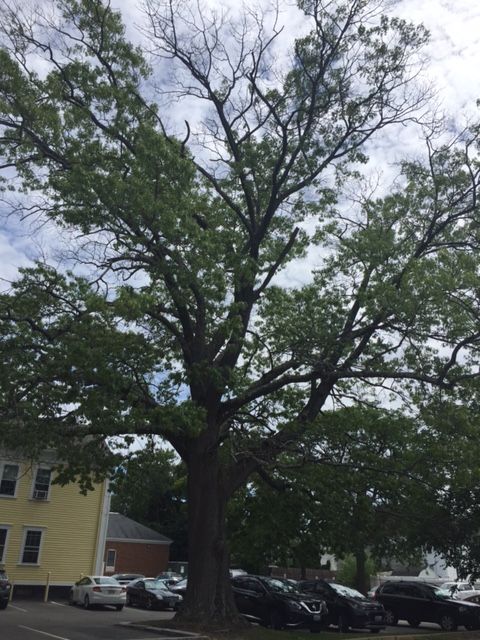
There are three main reasons why you might need an arborist. A large tree has visible dead limbs or significant cracks, and you need to hire an arborist to do a safety inspection and remove any hazards. A mature tree has broken limbs hanging dangerously after a storm with high winds, and you need an arborist for emergency stabilization or tree removal. Or, a valuable tree appears sickly, has discolored leaves, or shows signs of pests or diseases, and you need an arborist to diagnose the problem and provide proper, long-term treatment. In Rhode Island, certified arborists must meet two requirements: (1) they must obtain a Rhode Island Arborist License, and (2) they must fulfill the requirements for the ISA Certified Arborist credential (or an approved equivalent), which is typically used to qualify for the state license. To qualify for the ISA Certified Arborist exam, you typically need a minimum of three years of full-time, eligible, practical work experience in arboriculture OR a combination of education (like a degree in arboriculture, forestry, or horticulture) and practical experience.
Benefits of Hiring a Certified Arborist
Hiring a certified arborist provides a wide range of benefits that go far beyond simple tree trimming or mulching. Specialists in the art and science of tree care, arborists can:
- Ensure your trees are healthy and thriving
- Conduct professional tree risk assessments
- Provide insurance protection on risks
- Increase property values by maintaining trees
- Proactively maintain trees and identify hazards
- Save you the high cost of tree removal
- Provide proper pruning and planting advice
- Safely execute dangerous work
Put simply, a certified arborist provides the specialized knowledge, proper techniques, and necessary insurance that a non-certified general service provider cannot guarantee, turning your trees into a lasting, valuable, and safe part of your landscape.
Keys Hiring Certified Arborist Rhode Island’s unique coastal environment, with its strong winds, humid summers, and potential for winter salt damage, makes expert tree care essential. When hiring an arborist in the Ocean State, do so carefully.
Here are seven hacks for hiring a certified arborist in Rhode Island:
- Verify RI arborist license: Ask to see the arborist’s license, then check the RI DEM’s database of licensed arborists to ensure they’re legally compliant to work in the state. Rhode Island arborists must be licensed by the Rhode Island Department of Environmental Management (RI DEM).
- Confirm ISA certification: Beyond the required state license, look for the ISA (International Society of Arboriculture) Certified Arborist credential. This voluntary certification confirms the individual has passed a rigorous exam and maintains high standards of knowledge in tree biology, diagnosis, and proper care.
- Insist on local insurance verification: Tree work is high-risk. Demand a Certificate of Insurance showing they have General Liability and Worker’s Compensation coverage. Call the insurance company to confirm the policies are current and cover tree-related work in Rhode Island. If an uninsured worker is injured on your property, you could be liable.
- Research pruning standards and local pests: Ask what pruning standard the arborist follows. Ideally, it should be ANSI A300. He or she should also be familiar with local threats, like the spotted lanternfly, and gypsy moth (spongy moth), and how to manage trees susceptible to salt damage near the coast
- Talk with at least three arborists: Obtain detailed, written estimates from at least three different certified, licensed arborists. Ensure the bids specify exactly what work will be performed (e.g., pruning specific limbs vs. complete removal) and what clean-up is included. Hire the one you’re most comfortable with.
- Avoid harmful practices (especially topping): A knowledgeable arborist will never recommend “topping” (the indiscriminate cutting of large branches to stubs), as this severely damages trees and creates hazardous regrowth. Reject any company that suggests this practice.
- Check for municipal permit requirements: If the work involves a street tree (on or near the town right-of-way) or requires work on your town’s public land, you may need a permit from the local tree warden (who must also be a licensed arborist). Check with your local city or town hall, as this is a common requirement in RI municipalities like Providence and South Kingstown.
Choose an Arborist that Fits Your Needs
Use these seven tips above to help you choose an experienced arborist who fits your specific needs and budget. Obtain multiple bids for the job and don’t always hire the lowest bidder. Also, verify their credentials and ensure they comply with local regulations. That’s critical in Rhode Island. New England’s unique coastal environment—with its strong winds, humid summers, and potential for winter salt damage—makes expert tree care essential.