
Discover Proven Techniques for Bigger, Healthier Tree Growth!
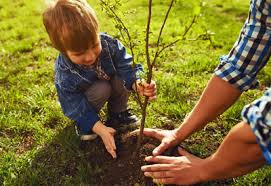
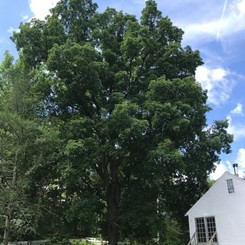
Large, mature trees, such as those listed on the RI Tree’s Champion Tree webpage, offer significantly greater benefits than smaller trees. Planting them, however, can be a challenge. Doing so in the fall reduces “transplant shock” and gives trees the best chance to establish roots before the stress of a full growing season.
Here arHere are seven tips for big tree care in the fall:
Clean up fallen debris
Heavy piles of leaves or debris. Piles of branches can trap pests, fungal spores, and excess moisture, which may damage the tree’s base. Remove them.
To ensure safety, have an ISA Certified Arborist perform a professional safety inspection, especially if the tree is near a residence, driveway, or utility line, or if you notice any sudden, large, exposed roots, or cracks in the trunk. They can recommend corrective measures like cabling or bracing to support weak limbs against winter weathere seven tips for big tree care in the fall:
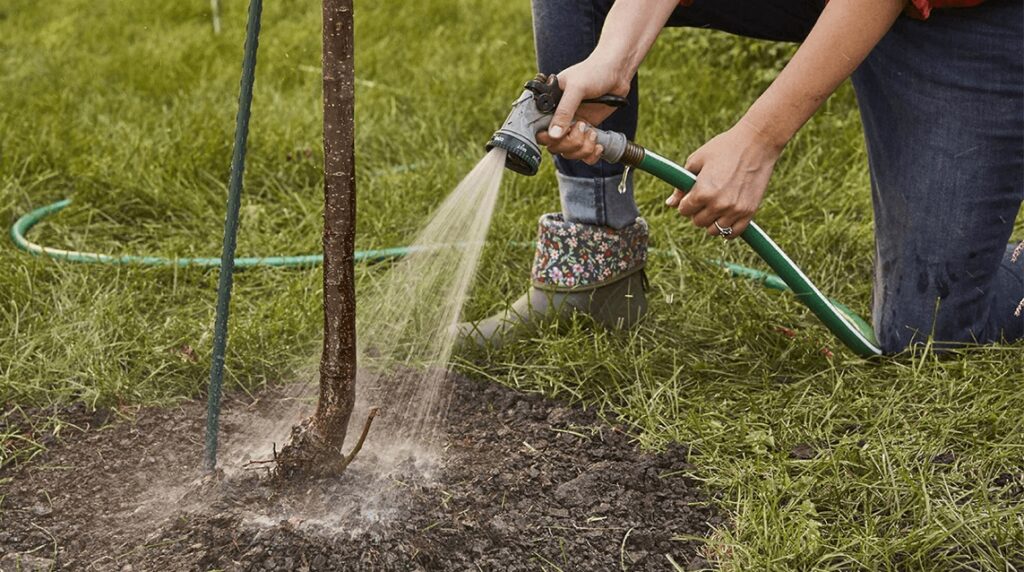
1. Water trees deeply
Water your trees thoroughly until the ground freezes. Even as temperatures decrease and leaves fall, trees still need sufficient moisture to prevent drying out. Focus on the root zone, which extends to the tree’s drip line (the edge of the canopy).
2. Apply a layer of mulch
Apply a 2- to 4-inch layer of organic mulch, like wood chips or shredded bark, around the tree’s base. Keep the mulch several inches from the trunk to avoid moisture buildup, which can cause bark rot and disease.
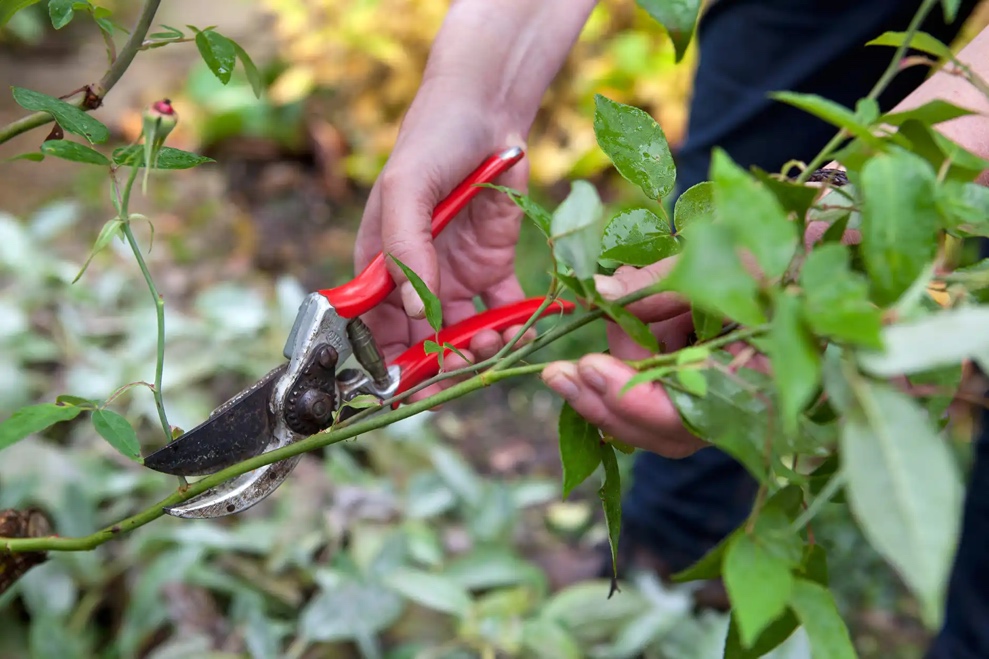
3. Prune dead or damaged Branches
Fall is ideal for pruning dead, diseased, or broken branches. Remove these hazards before winter storms and heavy snow to prevent them from falling and causing damage to people or property.
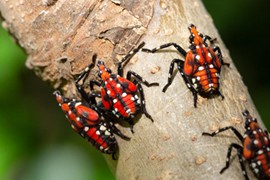
4. Inspect for pests and diseases
Inspect the trunk and branches for signs of insect damage, fungal growth, or abnormal discoloration. Detecting problems early lets you plan necessary treatments before the spring growing season.
5. Fertilize if necessary
Late fall is ideal for applying a slow-release, deep-root fertilizer, which helps feed the root system. Professional deep-root fertilization is often the most effective approach for large, mature trees.
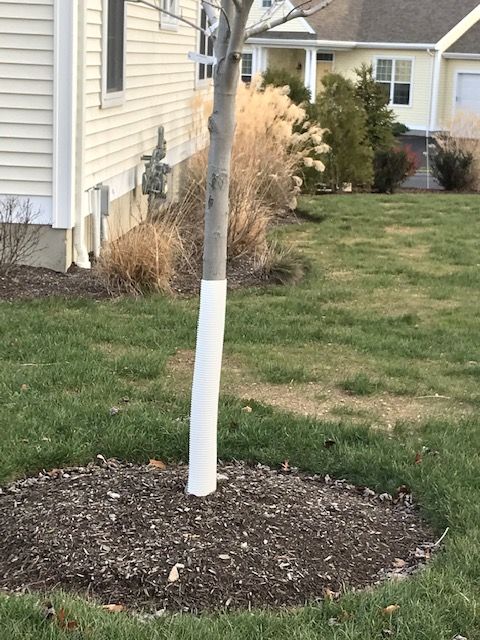
6. Protect against trunk damage
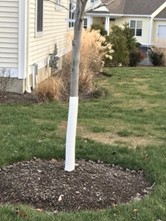
Protect the trunk from sunscald. Use a commercial tree wrap on the lower trunk or consider installing tree guards to prevent damage from rodents and deer rubbing their antlers. Remove the wrap in the spring.
7. Clean up fallen debris
Heavy piles of leaves or debris. Piles of branches can trap pests, fungal spores, and excess moisture, which may damage the tree’s base. Remove them.
To ensure safety, have an ISA Certified Arborist perform a professional safety inspection, especially if the tree is near a residence, driveway, or utility line, or if you notice any sudden, large, exposed roots, or cracks in the trunk. They can recommend corrective measures like cabling or bracing to support weak limbs against winter weather.