
Addressing Winter Damage: 7 Ways to Get Your Property in Shape Now
This winter left a lot of damage in its wake. Trees and shrubs bore the brunt of this year’s winter. Spring is the ideal time to clean and prepare your property for the warmer months. The key is to closely review the landscape and assess trees and plants for structural damage. When doing so, inspect the entire tree or shrub for any damage. It will save you time and money.
Here are seven tips to help you get your property in shape:
- Clear out winter debris: Start by removing leaves, twigs, fallen branches, and other accumulated debris from your lawn, garden beds, and hardscapes like patios and walkways. This exercise helps prevent diseases and allows air and sunlight to reach your grass and plants.
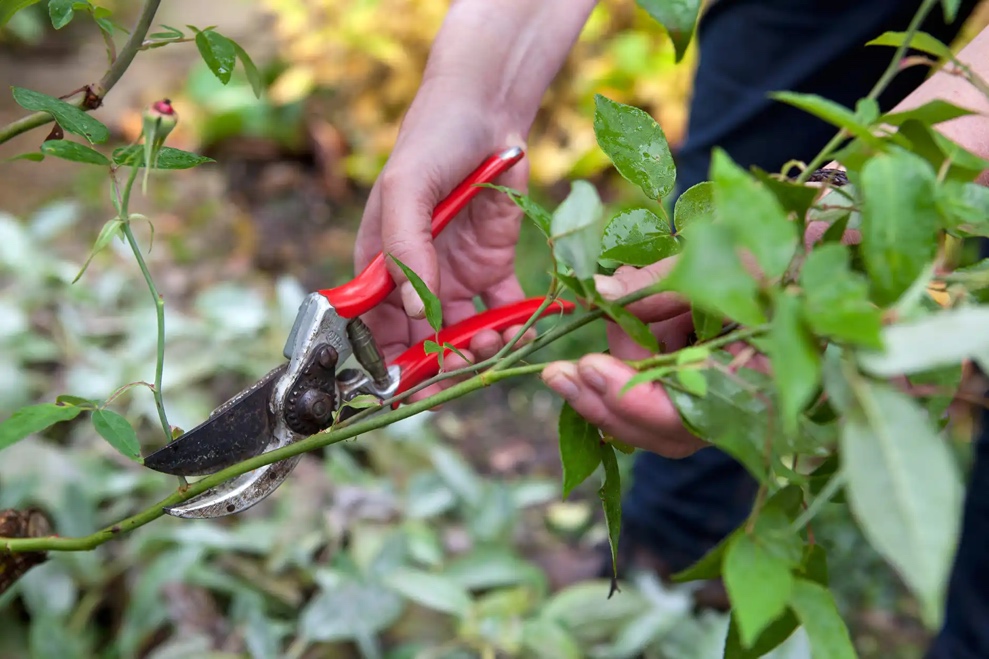
- Prune and trim: Inspect your trees and shrubs for dead, damaged, or overgrown branches from winter. Prune these back to encourage new, healthy growth. For spring-blooming shrubs, wait until after they’ve flowered to avoid removing this year’s blooms. You can also trim back dead perennial foliage and ornamental grasses.
- Prepare garden beds: Clear out old annuals and dead plant matter from your garden beds. Amend the soil with compost or other organic materials to replenish nutrients and improve drainage. This step creates a nourishing foundation for new plantings.
- Address your lawn: Not everyone has a lawn. If you do, do the following:
• Rake
• Aerate
• Fertilize
• Control weeds
• Overseed bare spots - Inspect and clean hardscapes: Power wash your patios, decks, driveways, and walkways to remove dirt, grime, and mildew that may have accumulated over winter. Also, check wooden structures like decks and fences for any rot or damage and make necessary repairs.
- Check gutters and drainage: Clean your gutters and downspouts to ensure they are debris-free and can properly direct water away from your home’s foundation. Inspect the grading around your house to confirm it slopes away, preventing water from pooling.
- Prepare outdoor equipment: Get your lawnmower and other gardening tools ready. Sharpen blades, check oil levels, and ensure everything is in good working order. This activity will make your spring clean-up tasks much easier and more efficient.
Common Spring Pests and Diseases
Spring in New England brings a flush of new growth and the emergence of various pests and diseases that can impact your plants. Being vigilant and knowing what to look for can help you address issues early. Here are some common pests to watch for in New England during the spring:
Common Pests:
- Aphids: These small, soft-bodied insects come in various colors and suck sap from new growth, causing leaves to curl, yellow, or distort. Look for them on the undersides of leaves and new shoots.
- Eastern Tent Caterpillars: You’ll see their distinctive silken “tents” in the crotches of trees like cherry, apple, and crabapple. The caterpillars emerge in early spring and can defoliate branches.
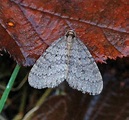
- Winter Moth Caterpillars: These small, green loopers emerge in early spring and feed on buds and new leaves of a wide range of deciduous trees, including maples, oaks, and fruit trees. They can cause significant defoliation. See photo below
Hemlock Woolly Adelgid: A serious invasive pest of hemlock trees. In spring, you’ll see small, white, cottony masses at the base of hemlock needles on the twigs. These insects suck sap and can severely weaken or kill hemlocks.
Spider Mites: Though tiny, spider mites can cause stippling (tiny yellow or white dots) on leaves, especially on evergreens and stressed plants. In severe cases, you might see fine webbing. They thrive in dry conditions.
Common Diseases:
- Apple Scab: A prevalent fungal disease of apple and crabapple trees. Look for olive-green to brown spots on leaves and fruit. Infected leaves may turn yellow and drop prematurely.
- Anthracnose: A group of fungal diseases affecting many deciduous trees. Symptoms include irregular brown spots on leaves, often concentrated along veins, and can lead to twig dieback and defoliation, especially during cool, wet spring weather.
- Powdery Mildew: Appears as white, powdery patches on leaves, stems, and sometimes flowers. While often more prevalent later in the season, it can emerge in spring on susceptible plants when conditions are humid.
- Cedars/junipers and apple/crabapple trees: In spring, bright orange, gelatinous galls may appear on cedars, releasing spores that infect apple and crabapple leaves, causing yellow-orange spots.
Also, be careful about ticks and mosquitoes. While not plant pests, spring is when these nuisance insects become active and pose health risks to humans and pets in New England. Take precautions when spending time outdoors.
For more information on pests and diseases in New England, contact our experts at RITree.org.